
Inquiry Basket
 Loading ......
C-Reactive Protein (CRP) was first isolated from the serum of patients infected with pneumococcus, and was then reported as a nonprotein somatic cell fraction that precipitated at high titers, "fraction C." And while researchers later found that the component was elevated in the serum of cases stimulated by pathogenic inflammation, further studies revealed that the precise ligand for CRP in pneumococcal "c" polysaccharides is phosphatidylcholine, which is derived from teichoic acid in the cell wall of Streptococcus pneumoniae. CRP belongs to the pentoxin protein family and is synthesized in hepatocytes and some extrahepatic tissues such as vascular smooth muscle, atherosclerotic plaques, and intracardiac tissues.
Phylogenetic analyses show that CRP is highly conserved, and so far, in addition to genetic variation, CRP can exist in at least three different forms, including monomeric CRP (mCRP), native pentameric, and polymeric CRP. Monomeric CRP, also known as modified CRP, consists of one unique subunit, whereas the polymeric form of CRP consists of ten or more subunits. In addition, other dissociated forms of CRP, such as dimers, trimers, tetramers, and even other non-native pentameric configurations that re-form due to alterations in the microenvironment, have also been reported. Under certain conditions CRP can switch between these different forms, a phenomenon that also provides the structural basis for the multiple functions of CRP. CRP has been widely used as the most important and critical immunochemical marker for a number of diseases such as infections like sepsis, physiological organ diseases, autoimmune diseases, malignancies and other health problems.
The CRP monomer is a non-glycosylated globular subunit consisting of 206 amino acid residues with an isoelectric point of 5.4 (6.4 for pentamers). The monomer is folded into two anti-parallel β fragments with a flattened jelly-roll topology similar to that of lectins, and a recognition surface with a phosphatidylcholine binding site consisting of two ligand calcium ions adjacent to the hydrophobic pocket. The pentameric natural form of CRP consists of five non-covalently associated monomers arranged in a symmetrical ring pattern around a central hole, resulting in a disk-like planar configuration. In some cases, CRP adopts a different pentameric conformation, exposing a hidden ligand-binding site for non-phosphorylcholine ligands, which also allows CRP to bind to immobilized, denatured, and aggregated proteins regardless of what the identity of the natural biomolecule is.
The pentameric form of CRP is found predominantly in the blood, while the monomeric form is found in a variety of normal tissues, particularly in the intima, mid-, and outer membranes of healthy blood vessels and in the fibrous tissue of the skin. Since pentameric CRP is the substrate for the generation of monomeric CRP, the relative level of pentameric CRP measured in blood depends in part on the rate of conversion of pentameric CRP to monomeric CRP, which is largely dependent on the intrasubunit disulfide bonds that determine the conversion and structural stability of the CRP isoform.
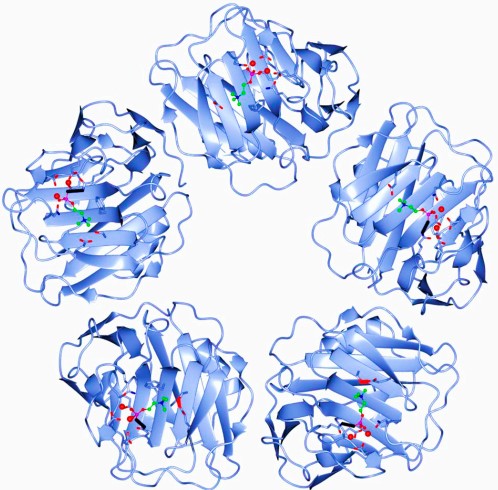 Figure 1. Pentameric structure of C-Reactive Protein
(Source: Mouliou DS. 2023)
Multiple studies have demonstrated an association between elevated CRP levels and an increased risk of cardiovascular disease (CVD) events, as well as the incidence of first cardiovascular events among individuals at risk for atherosclerosis. CRP attaches to low-density lipoprotein (LDL) and is found within plaques and is thought to be involved in the inflammatory process of atherosclerosis. Since such diseases usually develop at very low CRP levels (nM or even pM), the analytical method must be highly sensitive, selective, rapid and reliable with minimal sample size. CRP values less than 0.8 mg /L are difficult to obtain accurately by conventional methods, so a more accurate (less than 0.3 mg/L), cheaper, and faster (15-30 minutes) method was developed, known as high sensitivity CRP (hs-CRP). The sensitivity of the hs-CRP immunoassay was higher than previously routinely used methods, and it revealed that high levels of serum CRP predicted future cardiovascular disease.
CRP is thought to be a protein of the innate immune system that provides baseline protection as a pattern-recognition biomolecule and also serves as a modulator of host defense responses, including tissue barriers, vascular activation, phagocytic responses, and amplification mechanisms. CRP produces both positive and negative immune responses to virtually all etiologies.
In CVD, in the context of chronic low-intensity inflammation, CRP disrupts the glycocalyx of the vascular endothelium, making it dysfunctional and more vulnerable to atherogenic factors. In addition, endothelium-dependent vasodilatation, endothelial stem cell migration and adhesion processes are disturbed and apoptosis is induced. Inflammatory cells infiltrate the vessel wall and stimulate neutral lipid deposition in the arterial intima, and macrophages are more likely to consume plasma LDL and form foam cells. Vascular smooth muscle cells proliferate more rapidly, migrate toward the intima, and synthesize more extracellular matrix. Inflammatory cells promote metabolic activity in the vessel wall, making the medium more acidic, which in turn promotes faster apoptosis of smooth muscle cells. In addition, it interferes with arterial blood pressure (ABP) regulatory mechanisms by activating the angiotensin-aldosterone system, angiotensin-1 and angiotensin-2 receptors, promoting the proatherogenic activity of angiotensin, and directly or indirectly stimulating arterial wall structural and functional alterations, cardiac and vascular remodeling, vascular sclerosis, and increased peripheral vascular resistance.
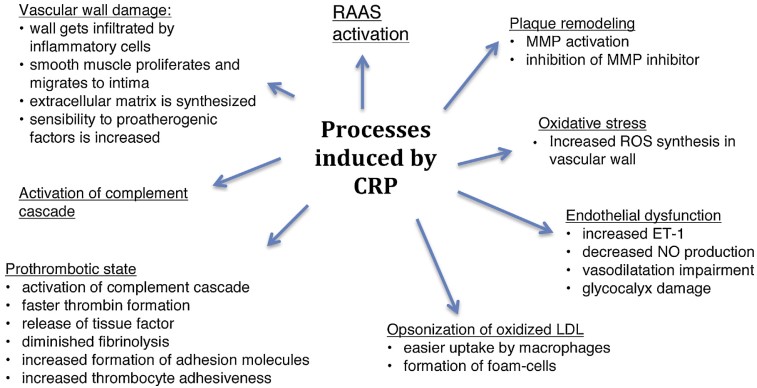 Figure 2. C-reactive protein pathogenesis
(Source: Adukauskienė D, et al. 2016)
The metabolism of CRP does not differ significantly between healthy and sick individuals, the rate of synthesis depends on the intensity of the pathological process, and most of it is eliminated from the body through the liver. The half-life of CRP is 19 hours, and the serum concentration of CRP in healthy individuals usually does not exceed 10 mg/L (average 0.8 mg/L).
The earliest assays regarding CRP were based on turbidimetric assays, capable of detecting CRP in μg/mL. Subsequently, more sensitive enzyme-linked immunosorbent assays (ELISA), chemiluminescent, fluorescent, and electrochemical assays were introduced, with detection sensitivities as low as fg/mL. Significant advances in microfluidics, lab-on-a-chip (LOC), and fully integrated/automated bioanalytical platforms have also led to innovative approaches to CRP assays, such as lateral flow assay (LFA) methods with a wide dynamic range and higher sensitivity. Recently, nanomaterial-based signal enhancement, multiple labeling, novel biosensor concepts and smartphone (SP)-based point-of-care (POC) detection have driven the development of next-generation assays.
Table 1. Key analytical features of advanced assay formats for CRP
| Assay type | Description | Detection range (LOD) |
| Latex agglutination IA | Anti-CRP Ab-bound latex particles are agglutinated by CRP and lead to a decrease in absorption at 405 nm. Detects CRP in 30 min | 5-150 μg/mL |
| LFIA | Three-line LFIA in 10 min by introducing an antigen line between test and control lines by dispensing anti-CRP Ab followed by CRP in nitrocellulose membrane | 0.69 ng/mL-1.02 mg/mL |
| Sandwich ELISA | Employs rapid one-step Ab immobilization strategy based sandwich ELISA for the highly sensitive detection of CRP | 0.3-81 ng/mL |
| Colorimetric direct ELISA | Employs the visible color change in AuNP-tethered PEA due to the binding of CRP. A red shift was observed with the decrease in absorption in the plasmon peak of AuNP-PEA | 50-450 ng/mL |
| On-chip magnetic sandwich IA with fluorescent detection | Detects CRP in 1 min by two-step on-chip magnetic sandwich IA in continuous flow using alternating laminar flow streams of reagents and washing solutions. Detection was done by FITC-labeled anti-CRP Ab | 1-10 μg/mL |
| Immunochemiluminometric assay | Employs a one-step IA based on the formation of IMC between anti-CRP Ab-bound polystyrene beads, CRP, and acridinium-labeled anti-CRP Ab | 0.01-50 μg/mL |
| Magnetic bead-based IA | Magnetic beads were modified with poly-L-lysine and bound to negatively charged E. coli cells with auto displayed Z-domains. Anti-CRP Ab were then bound to the Z-domains in a controlled orientation and CRP was detect | 1-1000 ng/mL |
(Source: Vashist SK, et al. 2016)
The emergence of hs-CRP assays supports CRP as a powerful biomarker in clinical practice due to its long half-life, stability, ease of detection and reproducible results. The hs-CRP assay refers to a laboratory method for measuring low concentrations of CRP in serum. hs-CRP assays are available in automated and commercial immunoassay systems with higher sensitivity than ever before.
Patients can be categorized according to their disease state based on serum hs-CRP concentrations. Levels <1 mg/L were defined as low inflammation, i.e., mildly elevated baseline CRP concentrations, levels between 1 and 3 mg/L were moderately elevated, and individuals with CRP levels greater than 3 mg/L and LDL cholesterol less than 130 mg/dl were defined as being at high risk for future cardiovascular events. CRP above 10 mg/L is considered a clinically active inflammatory state, such as major trauma, chronic inflammatory diseases, and severe infections.
References
| Target | Cat. No. | Product Name | Size | Species | Application | Detection Sample | |
| CRP | ABPR-ZB065 | Mouse C-Reactive Protein Antibody Pair Set | 5 Plates, 15 Plates | Mouse | sELISA | Inquiry | |
| ABPR-ZB109 | Human C-Reactive Protein Antibody Pair Set | 5 Plates, 15 Plates | Human | sELISA | Inquiry | ||
| DEIA14074A | Human C-Reactive Protein (CRP) ELISA KIT | 96T | Human | Quantitative | Serum | Inquiry | |
| DEIA-NS2307-113 | Chicken CRP(C-reactive protein) ELISA Kit | 96T | Chicken | Quantitative | Serum, plasma, tissue homogenates and other biological fluids. | Inquiry | |
| DEIA-NS2307-10 | CRP (human) ELISA kit | 96T | Human | Quantitative | Serum or plasma | Inquiry | |
| DEK0017 | Monkey CRP(C-reactive protein) ELISA Kit | 96T | Monkey | Quantitative | Serum, plasma, tissue homogenates and other biological fluids. | Inquiry | |
| DE0061 | Mouse CRP(C-reactive protein) ELISA Kit | 96T | Mouse | Quantitative | Serum, plasma, tissue homogenates and other biological fluids. | Inquiry | |
| DEIA-XY75 | Monkey CRP ELISA kit | 96T | Monkey | Quantitative | Serum | Inquiry | |
| hsCRP | DEIA-XY2160 | Human hsCRP ELISA kit | 96T | Human | Quantitative | Serum, plasma | Inquiry |
| DEIA-CL002 | Rat C Reactive Protein ELISA Kit | 96T | Rat | Quantitative | Cell culture supernatant, urine, serum, plasma | Inquiry |
| Target | Cat. No. | Product Name | Expression System | Tag/Conjugate | Application | |
| CRP | DAG-WT3221 | Native Goat CRP | Goat serum | N/A | ELISA | Inquiry |
| DAG-WT3222 | Native Sheep CRP | Sheep serum | N/A | ELISA | Inquiry | |
| DAG-WT3223 | Native Horse CRP | Horse serum | N/A | ELISA | Inquiry | |
| DAG-WT2557 | C-reactive protein (CRP) control | N/A | Unconjugated | Immunoassays | Inquiry | |
| DAG-WT2558 | High-sensitivity C-reactive protein (hsCRP) control | N/A | Unconjugated | Immunoassays | Inquiry | |
| DAG-WT1182 | Native Canine C-Reactive Protein | Canine serum | N/A | Inquiry | ||
| DAG-WT721 | Native Human C-reactive Protein (>95%) | Human fluids | N/A | Immunogen, Calibrator or standard | Inquiry | |
| DAG-WT615 | Recombinant Human C-Reactive Protein | E. coli | Unconjugated | Immunogen, Control | Inquiry | |
| DAG-WT2232 | Recombinant Human CRP Protein [His] | Mammalian cells | His | Immunoassays | Inquiry | |
| DAGA-977 | C-reactive protein antigen (Immunogen Grade,>99%) | Human fluids | Unconjugated | Immunogen Grade | Inquiry | |
| DAGA-835 | Human C-reactive protein (>99%) | Human fluids | Unconjugated | N/A | Inquiry |
| Target | Cat. No. | Product Name | Host | Isotype | Application | |
| CRP | DMAB2066MH | Anti-C Reactive Protein monoclonal antibody, clone C893M | Mouse | IgG2b | ELISA | Inquiry |
| DMAB5618MH | Anti-C Reactive Protein monoclonal antibody, clone H33V33 | Mouse | IgG1 | Inquiry | ||
| DMABT-H29415 | Anti-C Reactive Protein monoclonal antibody, clone 2E9E0 | Mouse | IgG1 | Inquiry | ||
| DPAB-DC4139 | Anti-C Reactive Protein polyclonal antibody | Goat | WB, ELISA | Inquiry | ||
| CPBT-65021GH | Anti-C Reactive Protein polyclonal antibody | Goat | IgG | ELISA, Turbidimetry | Inquiry | |
| CABT-B1247 | Anti-CRP monoclonal antibody, clone 2H2 | Mouse | IgG1 | WB, ELISA, FC, IHC | Inquiry | |
| CABT-ZB897 | Rabbit Anti-Human C-Reactive Protein monoclonal antibody, clone S217 | Rabbit | IgG | ELISA(det) | Inquiry | |
| CABT-L163 | Mouse anti Human CRP monoclonal antibody, clone 343118 | Mouse | IgG2B | ELISA(Cap) | Inquiry |
Loading ......
