

Inquiry Basket
 Loading ......
The naturally occurring antibiotic class duocarmycins shows exceptional strength as antitumor agents. The DNA interaction mechanism of duocarmycins produces targeted cytotoxic effects which differ from standard alkylating agents. The DNA structure of duocarmycins enables them to perform targeted chemical attacks on DNA through their specific binding mechanism. The distinct mechanism of action enables duocarmycins to produce high potency while researchers can modify them for targeted medical applications. The detailed study of duocarmycin mechanisms reveals how targeted DNA-binding compounds can maximize their killing power while reducing damage to non-cancerous cells.
The cytotoxicity of duocarmycins arises from a carefully orchestrated sequence of molecular events, beginning with DNA recognition, progressing through chemical activation, and culminating in irreversible DNA alkylation and apoptosis.
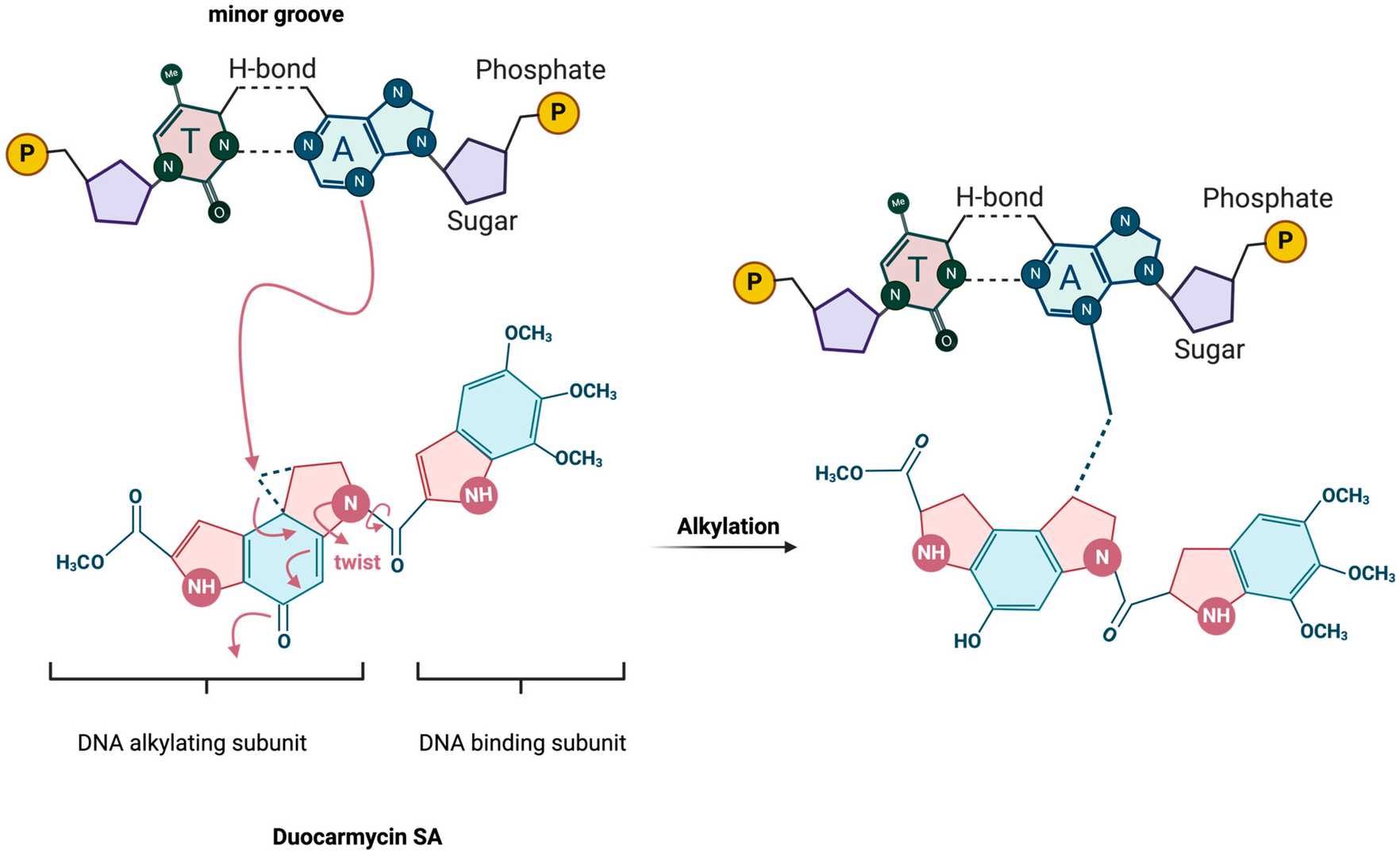 Figure 1. Schematic of DSA-binding and alkylation mechanism. (Source: Sakata, et al.; 2019)
Duocarmycins first engage sequence-specific binding to the minor groove of DNA, showing a strong preference for AT-rich regions. This binding is not merely a docking step but plays a crucial role in orienting the molecule for subsequent reactions. The structure of duocarmycin positions the spirocyclopropylindole (CPI) moiety, a highly strained and reactive component, directly in proximity to adenine bases. Binding within the minor groove also induces a subtle conformational change in the molecule, "priming" the CPI moiety for chemical activation.
The next phase is DNA-catalyzed activation of the CPI moiety. While stable in aqueous solution, the cyclopropane ring becomes a potent electrophile when bound to DNA. The minor groove environment twists the molecule, enhancing electronic conjugation and effectively "arming" the warhead. The process generates alkylating species at DNA targets which reduces unwanted chemical reactions while producing the highest possible toxic effect.
The CPI moiety becomes active to perform permanent alkylation of adenine at its N3 position. The minor groove binding system positions the cyclopropane ring for optimal nucleophilic attack on adenine N3 atoms through stereoelectronic control. The reaction process breaks the cyclopropane ring structure while creating a stable DNA adduct that permanently alters the DNA structure. The biological activity of duocarmycins depends on their ability to choose adenine-N3 sites for binding instead of other nucleophilic targets including guanine-N7.
The formation of DNA adducts through covalent bonding causes substantial changes to the double helix structure. The DNA structure becomes inaccessible to essential molecular machinery because of the formed distortion which blocks both DNA replication and transcription processes. Cells try to fix the damage but the covalent bond in the adduct makes repair processes unsuccessful. The buildup of unfixable DNA damage forces cells to activate programmed cell death (apoptosis) which results in cancer cell elimination. The three sequential steps of minor groove binding and DNA-catalyzed activation and irreversible alkylation work together to transform molecular identification into a fatal response for cancer cells.
The precise understanding of duocarmycin's mechanism has facilitated its incorporation into targeted cancer therapies. Prodrug approach takes advantage of this mechanism by making duocarmycins non-active until tumor cells perform enzymatic activation. The DNA-alkylating forms of duocarmycin precursors become active through tumor-specific CYP isoenzyme enzymes which are present in higher amounts in cancer cells thus improving drug delivery to tumors while protecting normal tissues.
Scientists have used duocarmycins to create antibody-drug conjugates (ADCs) which function as cancer treatments. The cytotoxic molecule in this system connects to a monoclonal antibody which targets specific tumor markers. The duocarmycin prodrug becomes active after the antibody binds to cancer cells and the cell takes it inside where the drug activates through its DNA-targeting mechanism. Both strategies are direct applications of the detailed mechanistic knowledge, demonstrating how understanding molecular action can guide safe and effective clinical use.
The molecular recognition process of Duocarmycins leads to specific cell death through their coordinated mechanism of action. The process starts with DNA minor groove binding based on sequence specificity followed by DNA activation of the spirocyclopropylindole moiety and ends with N3-adenine alkylation that triggers apoptosis. The cytotoxic effect becomes both strong and targeted because each step depends on the previous one. The understanding of duocarmycin mechanisms has led to create prodrug formulations and ADCs which enable safe cancer treatment with their exceptional potency. The combination of precise chemical design with therapeutic potential makes duocarmycins an important example for developing targeted DNA-alkylating agents.
Duocarmycin isn't random—it prefers AT-rich sequences in the DNA minor groove. This sequence-specific binding positions its reactive part perfectly, so it can alkylate adenine-N3 efficiently without wandering around and causing off-target damage.
That little chemical group is like a hidden warhead. On its own, it's stable, but once duocarmycin binds DNA, the minor groove "activates" it, turning it into a highly reactive electrophile ready to form a covalent bond with adenine.
The geometry of minor groove binding lines up the N3 atom of adenine perfectly for attack. Other nucleophilic sites, like guanine-N7, aren't positioned correctly, which makes adenine-N3 the ideal "target" for duocarmycin's DNA alkylation.
References
| Target | Cat. No. | Product Name | Host | Application | |
| Duocarmycin | CABT-L3108 | Rabbit Anti-Duocarmycin polyclonal antibody | Rabbit | ELISA | Inquiry |
| Duocarmycin | CABT-L3109 | Mouse Anti-Duocarmycin monoclonal antibody, clone F22B2 | Mouse | ELISA | Inquiry |
| IgG | DPABB-JX105 | SecADC 6 4 Anti-Human IgG Fc polyclonal antibody [CL-Duocarmycin] | Cyt | Inquiry | |
| IgG | DPABB-JX113 | SecADC 6 4 Anti-Human IgG Fc polyclonal antibody [CL-Duocarmycin] (Fab Fragment) | Cyt | Inquiry | |
| IgG | DPABB-JX125 | SecADC 6 4 Anti-Mouse IgG Fc polyclonal antibody [CL-Duocarmycin] | Cyt | Inquiry | |
| IgG | DPABB-JX133 | SecADC 6 4 Anti-Mouse IgG Fc polyclonal antibody [CL-Duocarmycin] (Fab Fragment) | Cyt | Inquiry | |
| IgG | DPABB-JX137 | SecADC 6 4 Anti-Rabbit IgG Fc polyclonal antibody [CL-Duocarmycin] (Fab Fragment) | Cyt | Inquiry | |
| IgG | DPABB-JX149 | SecADC 6 4 Anti-Rat IgG Fc polyclonal antibody [CL-Duocarmycin] (Fab Fragment) | Cyt | Inquiry |
| Target | Cat. No. | Product Name | Conjugate | Application | |
| Duocarmycin | DAG-WZ1006 | Duocarmycin[BSA] | BSA | ELISA, LFIA | Inquiry |
Loading ......
