
Inquiry Basket
 Loading ......
Kanamycin belongs to the aminoglycoside class. The antibiotic shows high against numerous Gram-negative bacteria and partial Gram-positive bacteria which makes it essential for treating infections from these microorganisms. Kanamycin can attach to the 30S ribosomal subunit which prevents right protein synthesis through mRNA misreading and results in bacterial death. However, the antimicrobial resistance shows the necessity for improved treatment methods.
Combination therapy can be used for treating bacterial infections which caused by multidrug-resistant bacteria. Multiple antibiotics that block different bacterial processes which also helps prevent resistance development. The use of kanamycin together with multiple antibiotics has the potential to strengthen therapeutic results while overcoming bacterial resistance.
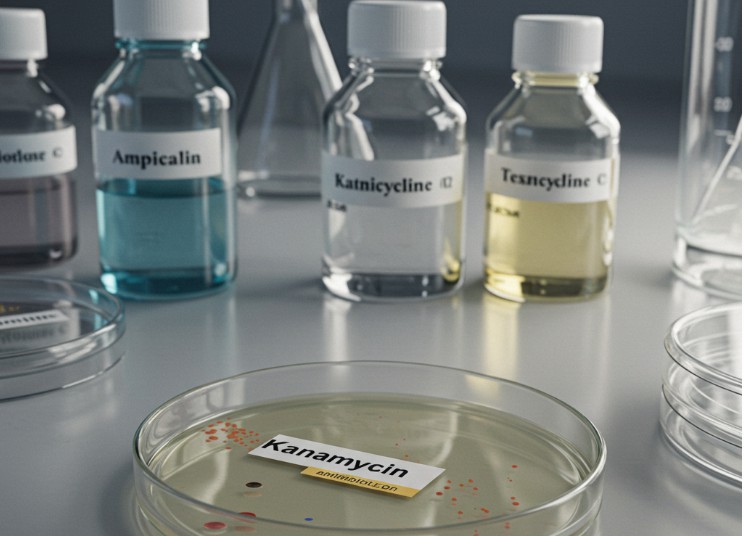
Therapeutic outcomes improve and resistant bacterial strains are combatted when kanamycin is used together with other antibiotics.
When two antibiotics are used together, they create synergy resulting in effects greater than their combined individual impacts. The antibacterial effects of antibiotics become more potent when multiple types are administered together. Combination therapy targets synergistic action to achieve efficient bacterial eradication through lower drug doses which reduce toxicity risks and delay resistance development.
Antibiotic synergy carries important consequences for both clinical medicine and veterinary practice. Treating infections becomes more effective when kanamycin is combined with other antibiotics because this approach can overcome resistance that makes single-drug therapy inadequate. Patients experience quicker healing while experiencing fewer treatment failures and decreased infection relapses. The use of synergistic antibiotic combinations enables clinicians to administer lower doses of kanamycin while reducing the associated nephrotoxic risks that come with aminoglycosides.
When two antibiotics produce an effect together that is weaker than their individual effects combined, antagonism takes place. The interaction between these drugs leads to one drug reducing the effectiveness of the other against bacteria. Treatment plans face complications from antagonistic effects especially during the management of resistant infections.
Combination therapy provides multiple advantages but it may also lead to antagonistic outcomes. The combination of kanamycin with chloramphenicol produces antagonistic outcomes. Chloramphenicol blocks kanamycin attachment to the ribosome which decreases treatment effectiveness. The bactericidal activity of kanamycin diminishes when it is combined with specific macrolides because both drugs inhibit protein synthesis.
Antibiotic antagonism during therapy presents substantial risks. The combination leads to inadequate treatment effectiveness while encouraging bacterial resistance. Ineffective combination therapy enables bacteria to endure treatment and evolve which results in the development of resistant strains.
Understanding the pharmacodynamic properties of kanamycin and its interactions with other antibiotics determines whether their combination produces synergistic or antagonistic effects. The effectiveness of combination therapy depends on how drugs are administered and their concentration levels along with the bacterial growth phase. Antibiotics targeting multiple bacterial functions like kanamycin which affects protein synthesis and beta-lactams that disrupt cell wall synthesis demonstrate higher synergistic activity because they attack bacteria at various stages of their life cycle.
Combination therapy success can be greatly influenced by the pharmacokinetics of kanamycin and other antibiotics. The way antibiotics distribute throughout the body, their individual half-lives, and absorption rates work together to determine their collective effectiveness. Other antibiotics might absorb better or worse than kanamycin which requires intravenous delivery because it does not absorb well through oral intake. Effective therapeutic results depend on precise adjustments of both drug timing and dosage.
MDR pathogen emergence creates significant obstacles for effective treatment. The strategic administration of kanamycin together with other antibiotics presents a method for treating resistant bacterial strains. Clinical studies demonstrate that Pseudomonas aeruginosa treatment benefits from combined use of kanamycin with beta-lactam antibiotics or quinolones through restored antibiotic effectiveness and decreased bacterial populations.
The use of lower doses of kanamycin in conjunction with other antibiotics as pharmacological strategies helps to decrease the chances of developing resistance. The use of antibiotic rotation and combination therapies that employ new mechanisms of action represents crucial methods to decrease resistance development.
The selection of appropriate antibiotics for combination therapy demands a thorough evaluation of both the bacterial pathogen and its susceptibility profile as well as the pharmacological characteristics of the drugs.
Combination therapy improves treatment results but raises the potential for adverse effects. The use of Kanamycin carries a risk of nephrotoxicity which becomes more severe when it is administered along with other drugs that cause similar kidney damage.
Combination therapy that includes multiple antibiotics proves expensive and creates access challenges particularly in resource-constrained environments. Clinical and veterinary practice faces a significant challenge to balance treatment benefits with cost-effectiveness.
Clinicians and veterinarians can refine treatment protocols by gaining knowledge about kanamycin and its combinational partners' mechanisms of action alongside pharmacodynamics and pharmacokinetics. Combination therapy faces obstacles including toxicity and cost but its ability to defeat resistance and boost treatment results show why it remains critical for fighting bacterial infections. Maximizing kanamycin's effectiveness against bacterial infections requires ongoing research and precise application of antibiotic combinations.
References
| Target | Cat. No. | Product Name | Host | Isotype | Application | |
| Kanamycin | HMABPY044 | RHA™ anti-Kanamycin Monoclonal antibody, clone KAN | Mouse | IgG | ELISA, LFIA | Inquiry |
| DPABY-883 | Anti-Kanamycin polyclonal antibody | Sheep | ELISA, Pr* | Inquiry | ||
| DPAB-DC4461 | Anti-Kanamycin polyclonal antibody | Sheep | EIA | Inquiry |
| Target | Cat. No. | Product Name | Expression System | Tag/Conjugate | Application | |
| Kanamycin | DAG1208 | Kanamycin [HRP] | N/A | HRP | N/A | Inquiry |
| DISNJ15 | Kanamycin Sulfate Standard | N/A | N/A | ELISA | Inquiry | |
| DAGA-040B | Kanamycin [BSA] | N/A | BSA | LFIA | Inquiry | |
| DAGA-044K | Kanamycin [KLH] | N/A | KLH | Immunogen | Inquiry | |
| DAG227S | Kanamycin [HSA] | N/A | HSA | ELISA | Inquiry | |
| DAG515S | Kanamycin [HSA-Biotin] | N/A | HSA-Biotin | ELISA | Inquiry |
| Target | Cat. No. | Product Name | Size | Species | Application | Detection Sample | |
| Kanamycin | DEIAH-004H | Kanamycin ELISA Kit | 96T | Quantitative | milk, milk powder, chicken, pork | Inquiry | |
| Kanamycin | DEIA048 | Kanamycin ELISA Kit | 96T | N/A | Quantitative | biological samples | Inquiry |
| Kanamycin | DEIA-WZ048V | High Sensitivity Kanamycin ELISA Test Kit | 96T | Quantitative | biological samples | Inquiry | |
| Kanamycin | DEIA048V | Kanamycin ELISA Kit | 96T | Quantitative | Vaccine | Inquiry | |
| Kanamycin | DEIA-004H | Kanamycin ELISA Kit | 96T | N/A | Quantitative, qualitative | tissue, milk | Inquiry |
| kanamycin | DTS761 | Kanamycin Residue Rapid Test(milk) | 96T | N/A | Qualitative | Milk | Inquiry |
Loading ......
