
Inquiry Basket
 Loading ......
Rubella, also known as German measles or three-day measles, is a contagious viral infection caused by the Rubella virus (RV). Although it often results in a mild illness in children and adults, the virus poses a serious risk to pregnant women, particularly in the first trimester. If a woman contracts rubella during pregnancy, it can lead to congenital rubella syndrome (CRS) in the developing fetus, which causes severe birth defects or even fetal death. Understanding the Rubella virus, its transmission, symptoms, complications, and prevention methods, especially through vaccination, is essential in public health efforts to eliminate this disease globally.
Rubella virus is an enveloped, single-stranded RNA virus belonging to the Togaviridae family and the Rubivirus genus. Unlike other Togaviruses, rubella is not transmitted by arthropods but instead through respiratory droplets. The Rubella virus is 60-70 nm in diameter and has an icosahedral capsid. The viral genome is approximately 9,762 nucleotides in length and encodes two nonstructural proteins, involved in viral replication, and three structural proteins: the capsid protein (C), and two envelope glycoproteins (E1 and E2). E1 plays a crucial role in viral attachment and entry into the host cell, while E2 helps in virus maturation and immune evasion.
The RV's primary site of replication is the upper respiratory tract. After infecting the host, the virus undergoes a brief viremia (spread through the blood) and subsequently invades various tissues, including lymphoid tissues, the skin, and the placenta. Unlike many other viral infections, RV induces relatively weak interferon responses, allowing it to evade early immune detection.
 Figure 1. Schematic of Rubella Virus Structure (Right) and Normal Immune Response to Rubella Virus Infection Over Time (Left)
(Source: Dimech WG, et al. 2016)
Rubella is a globally distributed virus, with transmission occurring year-round but peaking in late winter and spring in temperate regions. Humans are the only known reservoir for RV, and the virus spreads from person to person through airborne droplets when an infected person coughs or sneezes. It can also spread through close contact with respiratory secretions.
Rubella is found worldwide, but its incidence has significantly declined in regions with high vaccination coverage. The World Health Organization has made concerted efforts to eliminate rubella and CRS, with many regions such as the Americas declaring themselves free of endemic rubella. However, in regions with low immunization rates, rubella remains endemic, posing a risk for outbreaks.
Rubella is generally mild or asymptomatic in children, with about 25-50% of infections showing no symptoms at all. However, in symptomatic individuals, the incubation period (the time from infection to onset of symptoms) is typically 14-21 days.
The hallmark of rubella infection is a maculopapular rash that begins on the face and spreads downwards to the rest of the body. The rash is often accompanied by low-grade fever, headache, mild conjunctivitis, lymphadenopathy (particularly behind the ears and in the neck), and joint pain. The rash typically resolves within three days, hence the term "three-day measles."
In adults, particularly women, rubella can cause more significant complications, such as arthralgia (joint pain) and arthritis, which may persist for weeks or months after the infection has resolved.
CRS remains the most devastating aspect of rubella infection. If a pregnant woman is infected, the virus can cross the placenta and affect the fetus, leading to spontaneous abortion, stillbirth, or birth defects. The risk of severe congenital defects is highest when maternal infection occurs before 12 weeks of gestation. After 20 weeks, the risk of CRS is minimal, although late-term infection can still lead to minor developmental issues.
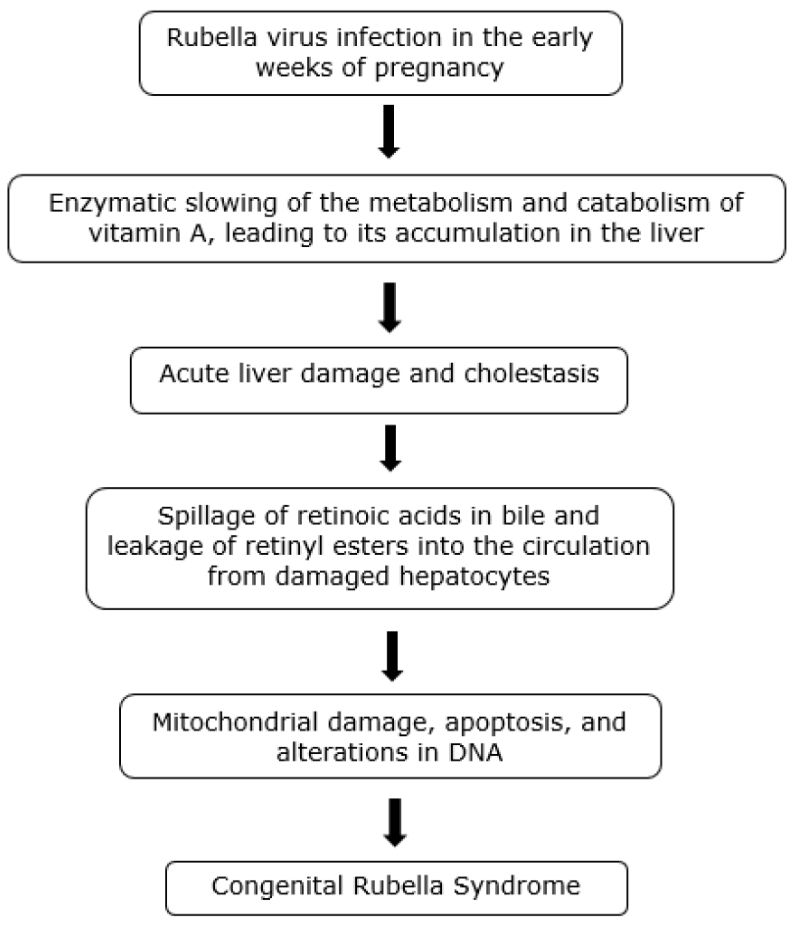 Figure 2. Proposed Pathogenesis of Congenital Rubella Syndrome
(Source: Mawson AR, et al. 2019)
CRS can result in:
CRS is typically diagnosed based on clinical features and confirmed through laboratory tests. Prenatal diagnosis of rubella infection can be done through amniocentesis and PCR detection of viral RNA, while postnatal diagnosis often relies on serological tests to detect specific rubella IgM antibodies in infants.
 Figure 3. Photo of a 7-Month-Old Girl with Congenital Cataract in the Left Eye Due to Congenital Rubella Syndrome
(Source: Leung AKC, et al. 2019)
The most effective method of preventing rubella and CRS is vaccination. The rubella vaccine is usually administered in combination with the measles and mumps vaccines as part of the MMR (measles, mumps, rubella) vaccine. A single dose of the vaccine is about 95% effective, and two doses provide long-lasting immunity.
The introduction of the rubella vaccine in the 1970s has drastically reduced the incidence of the disease and CRS in countries with high vaccination coverage. Many countries have integrated rubella vaccination into their national immunization programs, particularly as part of efforts to eliminate both rubella and CRS globally.
The World Health Organization aims to eliminate rubella and CRS through widespread vaccination campaigns and surveillance systems. Some regions, such as the Americas, have already achieved rubella elimination, but other areas, particularly in parts of Africa and Southeast Asia, continue to experience outbreaks due to lower vaccination coverage.
Rubella is primarily diagnosed through clinical presentation, especially during outbreaks, but laboratory confirmation is essential in non-epidemic settings or in suspected cases of CRS. Diagnosis can be confirmed by detecting rubella-specific IgM antibodies or by isolating the virus from respiratory secretions, blood, or urine.
There is no specific antiviral treatment for rubella. Management focuses on supportive care, such as rest and fluids for symptomatic individuals. For CRS, management is more complex and often requires multidisciplinary care for the various birth defects and developmental issues associated with the syndrome.
To conclude, Rubella is a mild, contagious viral infection with significant public health implications, particularly due to its teratogenic effects leading to congenital rubella syndrome. While the disease is largely controlled in regions with high vaccination rates, rubella continues to pose a threat in countries with lower vaccine coverage. Global efforts to eliminate rubella through vaccination programs and surveillance are crucial to prevent the devastating outcomes associated with CRS. Continued public health campaigns to increase awareness, improve vaccine access, and combat vaccine hesitancy are essential to achieving global rubella elimination.
References
| Target | Cat. No. | Product Name | Size | Species | Application | Detection Sample | |
| Rubella virus | DEIAPY61316 | Rubella virus IgG ELISA Kit | 96T | Human | Quantitative | Serum, Plasma | Inquiry |
| DEIA011 | Rubella virus IgG ELISA Kit | 96T | Human | Quantitative | Serum, Plasma | Inquiry | |
| DEIA012 | Rubella IgM ELISA Kit | 96T | Human | Qualitative | Serum, plasma | Inquiry | |
| DEIA06292 | Rubella virus IgM micro-capture ELISA Kit | 96T | Human | Qualitative | serum | Inquiry | |
| DEIA-NS2303-4 | Rubella virus IgG ELSIA kit | 96T | Human | Qualitative | Serum, plasma | Inquiry |
| Target | Cat. No. | Product Name | Host | Isotype | Application | |
| Rubella E1 protein | DMABT-Z59951 | Anti-Rubella virus GpE1 Monoclonal antibody, Clone 3.D.5 | Mouse | IgG2a | ELISA, WB | Inquiry |
| CABT-L2391 | Human Anti-Rubella E1 monoclonal antibody, clone NT-487 | Human | IgM | IA | Inquiry | |
| CABT-RM304 | Mouse Anti-RuV E1 Monoclonal antibody, clone 4-8 | Mouse | IgG2a | ELISA, WB | Inquiry |
Loading ......
