
Inquiry Basket
 Loading ......
The aminoglycoside antibiotic kanamycin serves as a widespread remedy against bacterial infections in human patients and animal species alike. Veterinary medicine regularly uses kanamycin to treat infectious diseases in both livestock animals and poultry. Ensuring kanamycin solutions remain potent and safe requires precise preparation and storage methods. Kanamycin solutions degrade easily under specific conditions which makes it vital to learn the best preparation and storage methods to maintain its therapeutic effectiveness. This paper examines the procedures for preparing kanamycin solutions including concentration levels and storage conditions along with stability and quality control measures to deliver a complete manual for managing this antibiotic.
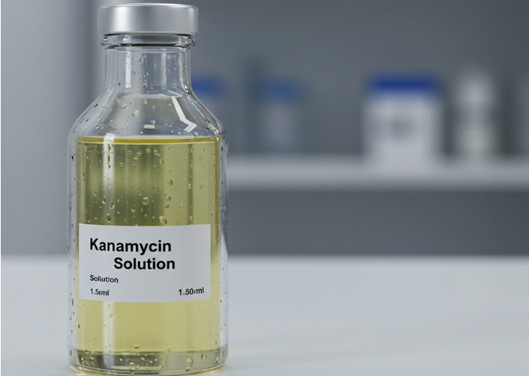
The antibiotic Kanamycin originates from Streptomyces kanamyceticus and belongs to the aminoglycoside drug category. This antibiotic works against numerous Gram-negative bacteria and also shows effectiveness towards certain Gram-positive bacteria. The antibiotic kanamycin functions mainly as a veterinary treatment for animal infections yet it serves human medical purposes for treating tuberculosis and other severe bacterial infections.
Veterinary medicine employs kanamycin to combat diseases from Escherichia coli, Salmonella, Klebsiella as well as different animal pathogens. The method of kanamycin administration varies between injection, oral intake and topical application based on both the type of infection and the specific animal species affected. In both aquaculture and agriculture kanamycin serves similar functions as in other applications. The maintenance of kanamycin potency during its application relies on proper preparation and storage of the solution.
Accurate dosing and therapeutic effectiveness depend on careful preparation of kanamycin solution. The preparation process requires choosing the right concentration, solvent and handling methods to maintain antibiotic stability and performance.
The concentration of kanamycin solutions is adjusted based on their specific application. Intravenous injections require kanamycin concentrations between 10 to 100 mg/mL but oral formulations adjust concentration levels according to both animal weight and infection severity. Topical applications use significantly lower concentrations of the antibiotic.
Correct dose administration to the patient depends on accurate formulation because it prevents both underdosing and overdosing. The therapeutic effects become consistent and reliable when the concentration is precise.
Choosing the appropriate solvent for kanamycin solution preparation affects the drug's solubility as well as its stability and sterility in the final product. The most common solvents for kanamycin preparation are sterile water for injection and saline solution. When selecting a solvent for kanamycin solutions it needs to be drug-compatible while improving solubility and protecting against contamination throughout preparation and storage.
Do not use solvents with high ionic strengths or acids because they can change the pH level which may lead to decreased stability of kanamycin. When preparing intravenous formulations researchers prefer phosphate-buffered saline (PBS) because it matches bodily conditions and minimizes injection irritation.
Weigh the required amount of kanamycin powder: Use a calibrated analytical balance to measure the exact amount of kanamycin powder needed for the solution.
Strict aseptic techniques must be used during kanamycin solution preparation when it is intended for injection or intravenous use. To maintain sterility and prevent contamination during medical procedures, sterile pipettes, syringes and containers must be employed. Accurate concentration maintenance requires dispensing solutions through calibrated volumetric devices. The effectiveness of the solution will be reduced if it is prepared with improper handling techniques or gets contaminated.
To keep kanamycin solutions stable and potent over time proper storage conditions must be maintained. When antibiotics are not correctly stored they degrade which makes them ineffective and possibly harmful.
To preserve the stability of kanamycin solutions they must be stored within designated temperature ranges. It is recommended to keep kanamycin solutions in a refrigerator at temperatures ranging from 2°C to 8°C because refrigeration helps to retard degradation processes which extends the antibiotic's effectiveness. High storage temperatures for kanamycin solutions cause hydrolysis which reduces potency and temperatures below 2°C cause precipitation or change solubility.
Freeze-drying kanamycin through lyophilization provides a storage solution that saves space while maintaining stability. The method works by turning the solution into a dry powder form that remains stable until used.
Kanamycin breaks down when exposed to light because it reacts to light exposure. Protect kanamycin solutions from light-induced degradation by using opaque or amber-colored storage containers. Direct sunlight or artificial light exposure can degrade antibiotics in intravenous formulations which diminishes their therapeutic effectiveness.
Kanamycin solution shelf-life relies on multiple elements such as concentration levels, solvent type, and how the solution is stored. When stored in refrigerator kanamycin solutions remain stable for a maximum of 30 days as long as there is no evidence of degradation or contamination. Quality control tests must confirm each batch's stability since the shelf-life depends on the particular formulation and storage circumstances.
Selecting the right container plays an essential role in storing kanamycin solutions. People generally choose glass containers for storage because they block both air and light from entering. Amber glass bottles provide necessary protection against light for kanamycin storage but plastic containers must be avoided because they risk chemical interaction that could destabilize the antibiotic.
The stability of kanamycin solutions depends on temperature conditions along with light exposure and pH levels as well as contamination presence. Hydrolysis together with oxidation and reactions with other substances in the solution can cause degradation.
Several factors can affect the stability of kanamycin solutions, including:
Temperature: The antibiotic is sensitive to heat according to previous information. Temperature changes impact kanamycin solutions where increased heat speeds up degradation and freezing results in precipitation.
pH: The stability of kanamycin remains highest when maintained within a slightly acidic pH range of 4.5 to 5.5 but outside this range the stability decreases.
Light: When antibiotics are exposed to light the active components can degrade through photodegradation.
Contamination: The safety and effectiveness of a solution can be jeopardized through microbial contamination that results from using non-sterile equipment improperly.
The antibiotic kanamycin can degrade through multiple pathways including hydrolysis which describes how water molecules react with the drug causing its structural breakdown. During oxidation the active component kanamycin interacts with oxygen present in the air resulting in chemical modifications which diminish its effectiveness.
Stability testing determines kanamycin solution stability through potency measurements taken over time across different storage conditions. The evaluations from stability tests determine the advised shelf-life period for kanamycin products. Stability testing for kanamycin solutions requires regular concentration measurements of the antibiotic along with observations of any degradation signs.
Strict quality control measures must be implemented during each phase of kanamycin solution preparation to preserve its quality during storage and use.
The preparation of kanamycin solutions must prioritize sterility particularly when they are used intravenously. The prevention of microbial contamination requires the use of sterile techniques which includes working in a laminar flow hood and sterilizing all tools including containers and filters.
Routine testing must be performed to verify that the kanamycin solution retains its desired concentration and maintains the potency standards. Verification of the active ingredient's concentration requires high-performance liquid chromatography (HPLC) techniques. Testing the solution for sterility and ensuring no particulate contamination exists is also necessary.
Problems can still occur during preparation or storage even when optimal procedures are used. These may include:
Cloudiness or Precipitation: A cloudy solution or the formation of precipitates suggests improper storage conditions including exposure to high temperatures or light.
Loss of Potency: Over time antibiotics degrade which leads to decreased effectiveness in treatment. Dispose of the solution and prepare a new one as soon as potency loss becomes apparent.
To ensure the highest quality of kanamycin solutions:
Implement standard operating procedures (SOPs) during the preparation and storage of solutions.
Maintain kanamycin solutions in refrigerated storage and shield them from light exposure.
Label every solution with its concentration details and both preparation and expiration dates.
Educate every individual who handles kanamycin solution preparation about sterile techniques to prevent contamination.
The effectiveness and safety of kanamycin solutions depends on appropriate preparation and storage practices. Following established guidelines for solvent selection alongside concentration and storage conditions with stability monitoring ensures kanamycin stays both effective and safe for veterinary and medical use. The antibiotic maintains its dependable performance when best practices and quality control measures are strictly followed to prevent degradation.
Reference
| Target | Cat. No. | Product Name | Host | Isotype | Application | |
| Kanamycin | HMABPY044 | RHA™ anti-Kanamycin Monoclonal antibody, clone KAN | Mouse | IgG | ELISA, LFIA | Inquiry |
| DPABY-883 | Anti-Kanamycin polyclonal antibody | Sheep | ELISA, Pr* | Inquiry | ||
| DPAB-DC4461 | Anti-Kanamycin polyclonal antibody | Sheep | EIA | Inquiry |
| Target | Cat. No. | Product Name | Expression System | Tag/Conjugate | Application | |
| Kanamycin | DAG1208 | Kanamycin [HRP] | N/A | HRP | N/A | Inquiry |
| DISNJ15 | Kanamycin Sulfate Standard | N/A | N/A | ELISA | Inquiry | |
| DAGA-040B | Kanamycin [BSA] | N/A | BSA | LFIA | Inquiry | |
| DAGA-044K | Kanamycin [KLH] | N/A | KLH | Immunogen | Inquiry | |
| DAG227S | Kanamycin [HSA] | N/A | HSA | ELISA | Inquiry | |
| DAG515S | Kanamycin [HSA-Biotin] | N/A | HSA-Biotin | ELISA | Inquiry |
| Target | Cat. No. | Product Name | Size | Species | Application | Detection Sample | |
| Kanamycin | DEIAH-004H | Kanamycin ELISA Kit | 96T | Quantitative | milk, milk powder, chicken, pork | Inquiry | |
| Kanamycin | DEIA048 | Kanamycin ELISA Kit | 96T | N/A | Quantitative | biological samples | Inquiry |
| Kanamycin | DEIA-WZ048V | High Sensitivity Kanamycin ELISA Test Kit | 96T | Quantitative | biological samples | Inquiry | |
| Kanamycin | DEIA048V | Kanamycin ELISA Kit | 96T | Quantitative | Vaccine | Inquiry | |
| Kanamycin | DEIA-004H | Kanamycin ELISA Kit | 96T | N/A | Quantitative, qualitative | tissue, milk | Inquiry |
| kanamycin | DTS761 | Kanamycin Residue Rapid Test(milk) | 96T | N/A | Qualitative | Milk | Inquiry |
Loading ......
