




Inquiry Basket
 Loading ......
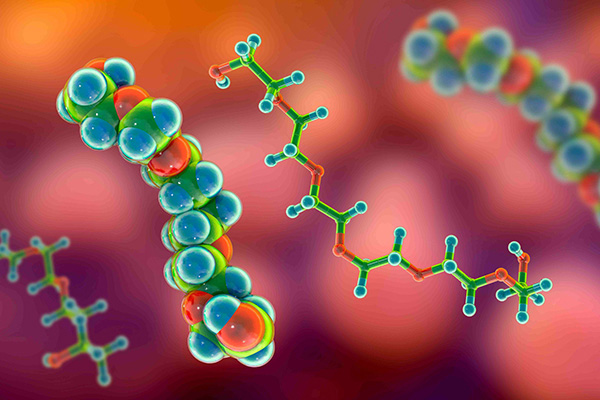
Polyethylene glycol forms when multiple ethylene glycol molecules join through chemical bonds to make a long chain. PEG molecules come together to form HO(CH2CH2O)nH with n signifying how many ethylene glycol units link up. PEG shows different physical states depending on its molecular weight because it exists as a clear liquid, solid at cold temperatures or white waxy form. PEG functions in industrial settings because it remains stable at room temperature and mixes well with water. During drug manufacturing polyethylene glycol assists as a medical delivery tool and fluid transport medium that reduces friction and forms ointment bases. The substance performs multiple functions within cosmetics and food processing as an emulsifier and plasticizer while also working as an antistatic agent in manufacturing and chemical production.
The physical traits of polyethylene glycol transform based on its molecular weight. A polyethylene glycol liquid stays colorless and odorless between 200 and 600 relative molecular mass but changes into a semi-solid or waxy white solid when molecular weight surpasses 600. Polyethylene glycol stays chemically stable under all conditions and won't harm people when they ingest it. Bioengineers and medical experts use polyethylene glycol because it meets their needs for medical applications without harming the body. Researchers employ PEGylation technology to make drugs more soluble while stabilizing and targeting them for long-term release. Researchers use polyethylene glycol to build medical materials such as tissue scaffolds and drug carriers.
Synthesis Geometry
Dispersity
Molecular Weights
Functional Groups
Synthesis
Dispersity
Functional Groups
Molecular Weights
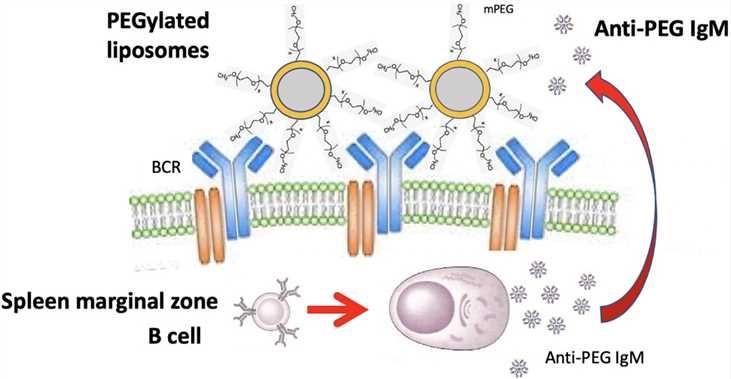
 Figure 1. PEGylated Lipsome.
Through PEGylation drugs stay longer in the bloodstream while avoiding enzyme breakdown by connecting polyethylene glycol molecules to drug molecules. The body may create antibodies that attack the PEGylated part of the drug. The immune system produces antibodies that react with PEG chains which then speeds up drug removal from the body through a fast complement system called ABC. Studies have shown that the formation of anti-PEG antibodies can occur through two main pathways: B cells use two different methods to process antigens: the T cell-dependent pathway requires helper T cells to work with antigen-presenting cells and the T cell-independent pathway involves direct B cell surface receptor binding.
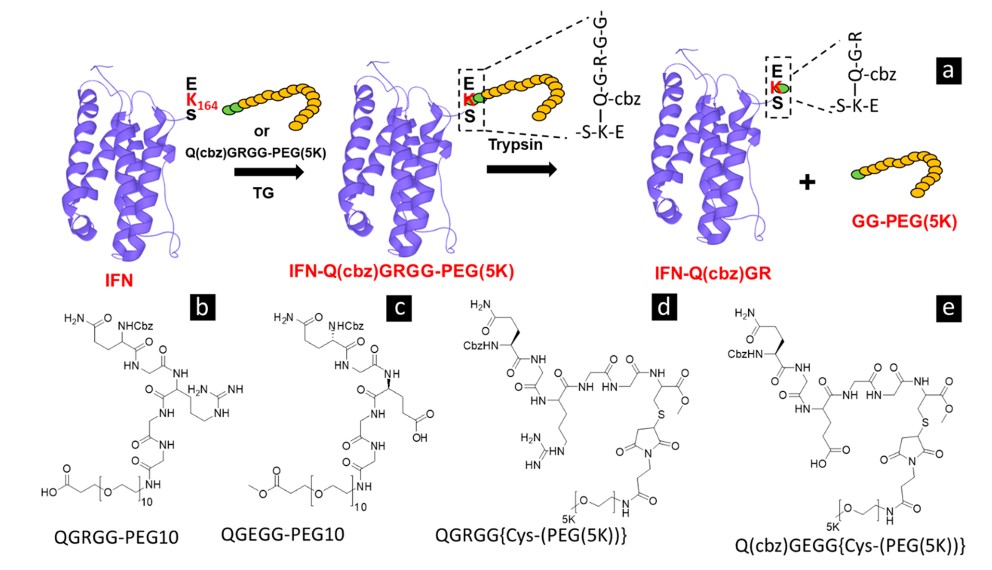 Figure 2. (a) Schematic showing cleavage of our designer PEG linker.
(b−e) Chemical structures of designer PEG linkers. (Source: Saha-Shah, ACS Pharmacology & Translational Science, 2021)
Scientists modify PEG linkers with special chemical groups to make them suitable for connecting molecules together. PEG linkers help drugs travel better by linking drugs to carrier molecules which makes drugs dissolve better and work longer in the body. PEG linkers help engineers develop stable proteins by making them dissolve better in water and responding less to immune reactions. PEG linkers exist in two main forms: monodisperse and polydisperse versions exist. A monodisperse PEG product displays well-defined molecular weight and uniform structural design but polydisperse PEG features multiple PEG units with varying molecular weights designed for various applications. When needed PEG linkers can undergo functionalization to create carboxylate, thiol, amino and other groups that enable specific chemical reactions and biorecognition functions. Drug delivery systems benefit from PEG linkers when they modify the surface of antibody drug conjugates and nanoparticles. PEG linkers join drugs to antibodies or other biomolecules through this technology which enhances targeted delivery while making the drugs less harmful. PEG linkers help scientists observe cellular biomolecule changes through fluorescence detection and biolabeling.
PEG drug delivery systems work better through anti-polyethylene glycol (PEG) antibody applications in nanomedicine and biopharmaceutical settings. PEGylated drug effectiveness and safety suffer when exposed to these antibodies. The body uses PEG drug clearance through the complement system when anti-PEG antibodies react. Research demonstrates that anti-PEG antibodies connect with PEG lipid nanoparticles and start the complement system which quickly removes therapeutic drugs from the body. The body eliminates the drug faster than normal through accelerated blood clearance which reduces how well the drug works. Drugs may become more immune reactive when anti-PEG antibodies exist. COVID-19 mRNA vaccines trigger allergic reactions and boost immunity because of anti-PEG antibodies. Nanoparticle biodistribution can change because anti-PEG antibodies modify the proteins that attach to their surfaces. Research shows anti-PEG antibodies modify how nanoparticles bind to proteins on their surface which impacts how these particles move through the body.
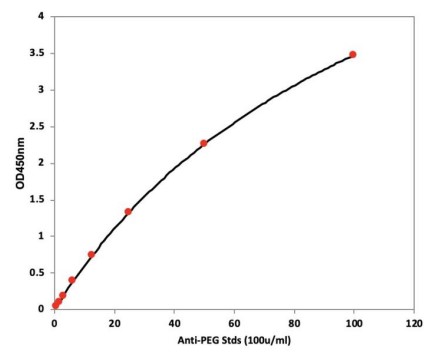
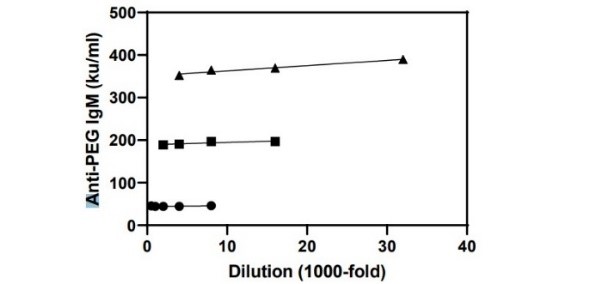
Researchers use pegylation as a proven method to lower protein immune reactions and develop better therapeutic drugs. Studies reveal that immune responses to PEG do occur despite common understanding that PEG is non-immunogenic and non-antigenic. Testing for anti-PEG antibodies helps doctors check if PEG-linked medicines work as intended and stay safe for patients. The FDA and worldwide regulatory bodies mandate that assays for pegylated drugs should test for patient antibodies against both the therapeutic agent and the PEG part. The primary method used today to find anti-PEG antibodies depends on enzyme-linked immunosorbent assay (ELISA) technology. Creative Diagnostics produces ELISA kits that test for anti-PEG-IgG and IgM antibodies in blood samples from mice, rats, and humans. Alpha Diagnostic International now offers ELISA kits that help measure PEG-specific antibodies from blood samples.



Reference
Loading ......
