
Inquiry Basket
 Loading ......
Dengue fever is an acute vector borne infectious disease caused by dengue virus, mainly transmitted by Aedes aegypti and Aedes albopictus. At present, the diagnostic methods for dengue fever mainly include rapid diagnostic kits (RDTs), enzyme-linked immunosorbent assay (ELISA), polymerase chain reaction (PCR), etc. Among them, ELISA is widely used in clinical and laboratory testing due to its high sensitivity and specificity.
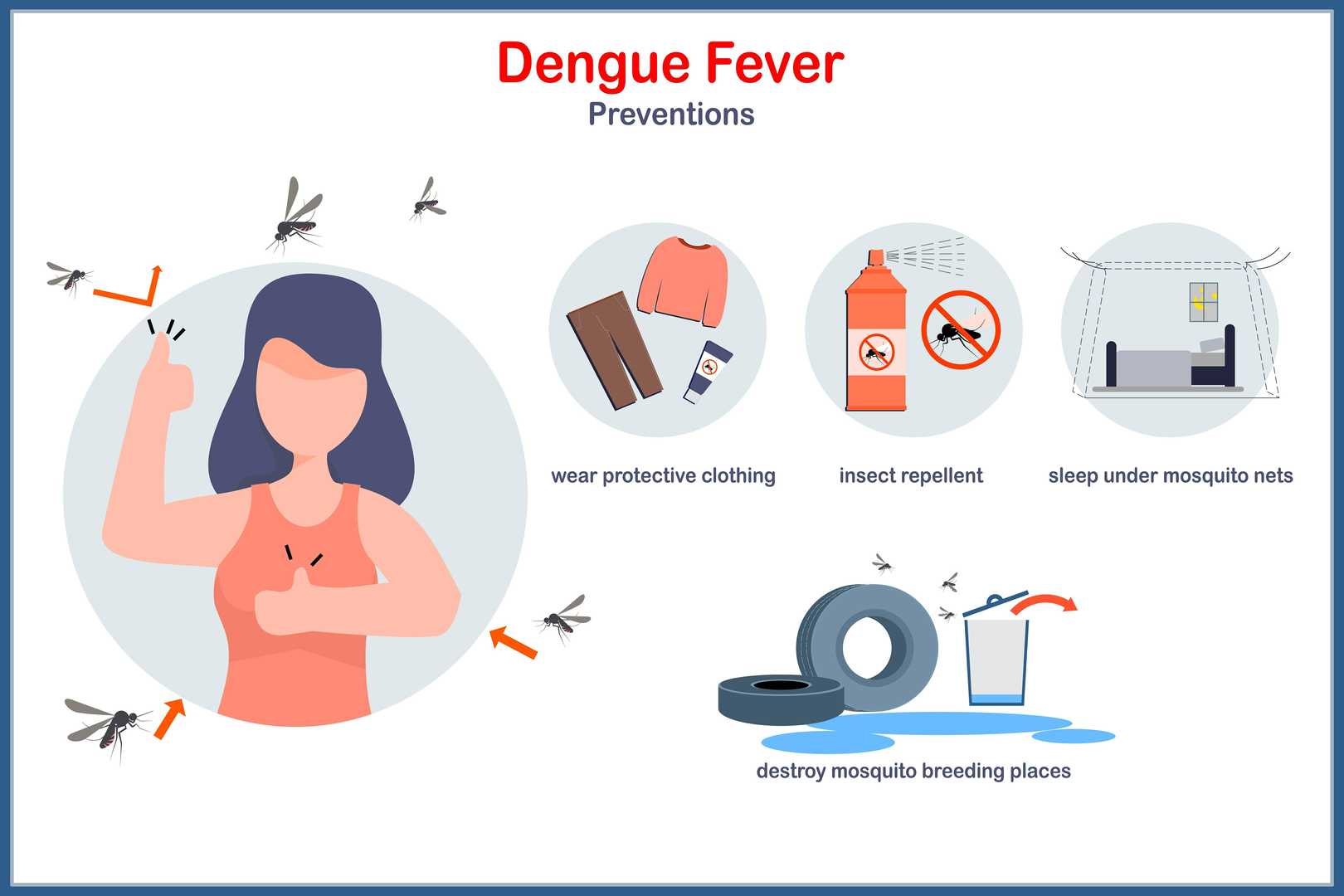 Figure 1. Dengue Fever.
Dengue fever is an acute vector borne infectious disease caused by dengue virus, which is mainly transmitted by Aedes aegypti and Aedes albopictus mosquitoes. Dengue virus is a ribonucleic acid virus (RNA) virus, which is in the genus Flavivirus of the Flaviviridae family. The virus enters the human body through the bite of the Aedes mosquito, then proliferates in the mononuclear phagocytic cell system and enters the bloodstream to form the first viremia, which is then localized in the reticuloendothelial system and lymphoid tissue. It proliferates to a certain extent in monocytes, macrophages, and Kupffer cells in the liver, then enters the bloodstream and forms the second viremia. Dengue virus binds with antibodies to form immune complexes, activating the immune system and leading to increased vascular permeability, vasodilation, congestion, extravasation of plasma proteins and visible components of blood, causing pathological and physiological changes such as blood concentration, bleeding, and shock. The pathological and physiological changes of severe dengue fever are mainly increased vascular permeability and plasma extravasation, without significant damage to capillary endothelial cells. Plasma extravasation is the main clinical manifestation of severe dengue fever. During the heat dissipation period, a large amount of plasma enters the cavity, causing a decrease in blood volume and concentration, ultimately leading to shock.
The treatment principle is early detection, early diagnosis, early mosquito isolation, and early treatment. At present, there is no specific treatment for dengue fever, and measures such as symptomatic supportive treatment, general management, and preventive treatment are mainly adopted.
Severe dengue fever patients need to be hospitalized for treatment, closely monitor their consciousness, urine output, and vital signs, and monitor their blood lactate levels if conditions permit. Critical cases require transfer to ICU for treatment.
General treatment
Role of quantitative detection at every stage of dengue vaccine development and evaluation, it helps accurate and reliable dengue detection methods are needed at every step of dengue vaccine development and evaluation.
| Importance | Description |
| Candidate screening during preclinical development | Quantitative ELISA kit are used for measuring antibody responses in animal models following immunization with candidate vaccines in preclinical development. Quantification of the IgG level of each serotype can be used to assess the immunogenicity of the candidate vaccine and eliminate the candidates that fail to produce a balanced immune response at an early stage in the development process. |
| Evaluation of efficacy in clinical trials | High sensitive detection methods are required to confirm dengue fever infection between vaccinated and control group in clinical trials. ELISA kit for NS1 antigen or IgM antibody can be used to identify breakthrough infections and therefore vaccine efficacy (VE) can be calculated by comparing the infection rate between groups. In addition, the quantitative antibody titer data can help to correlate the immune response with protection and therefore gain a better understanding of the mechanism of action of the vaccine. |
| Monitoring of ADE risk | One of the problems with dengue vaccine development is the potential for ADE. Therefore, it is essential to measure the antibody level after vaccination to ensure that it is high enough to neutralize all serotypes, but not so high as to cause ADE. ELISA kit can be used for the monitoring of the ADE risk. |
| Post implementation vaccine monitoring | The vaccine requires ongoing detection of dengue fever cases to evaluate vaccine effectiveness in the real world once it has been approved. |
The high-sensitivity quantitative dengue fever ELISA kit is designed to detect the specific viral marker as accurately as possible to achieve early diagnosis and quantitative analysis. The kit differs slightly depending on the target analyte (NS1 antigen, IgM or IgG antibody), but the component of the kit and the working principle are basically the same. Target analyte:

Early Detection
The kits are capable of detecting NS1 antigen within the first week of symptom onset, allowing for diagnosis during the most effective acute phase of intervention.

Compatibility
The Dengue ELISA kit can not only serve as an independent diagnostic tool, but can also be combined with other detection methods such as PCR to form complementarity, thereby improving the sensitivity and specificity of detection.

Economically efficient
Compared with traditional laboratory testing, ELISA kits are easy to operate and do not require complex equipment. In addition, some detection kits also support automated processing, further improving detection efficiency
The quantitative ELISA kit is used to detect dengue virus infection earlier, so as to treat patients more efficiently and avoid worsening of the condition. The development of reagent kits can better understand the behavior of these cells after infection and find more accurate ways to detect dengue virus.
| Cat. No. | Product Name | Size | Species Reactivity | Application | Detection Method | |
| DEIA-JY24122 | Human IFN-γ to Dengue Virus Dot-ELISA Kit (Alkaline Phosphatase) | 1 plate | Human | Quantitative | DotELISA | Inquiry |
| DEIABL14 | Dengue NS1 Antigen ELISA Kit | 96T | Human | Qualitative | sELISA | Inquiry |
| DEIA-CL019 | Dengue NS1 Ag ELISA kit | 96T | Human | Qualitative | capture ELISA | Inquiry |
| DEIA1439 | Dengue Virus IgG ELISA Kit | 96T | Human | Qualitative | iELISA | Inquiry |
| DEIA508 | Dengue IgG ELISA Kit | 96T | Human | Qualitative | iELISA | Inquiry |
| DEIA510 | Dengue IgM ELISA Kit | 96T | Human | Qualitative | iELISA | Inquiry |
| DEIA-JY2107 | Human Dengue Virus Non-Structural Protein 1 (DENV NS1) ELISA Kit | 96T | Human | Quantitative | sELISA | Inquiry |
| DEIABL333 | Dengue virus IgM µ-capture ELISA Kit | 96T | Human | Qualitative | / | Inquiry |
| DEIA-JY24122 | Human IFN-γ to Dengue Virus Dot-ELISA Kit (Alkaline Phosphatase) | 1 plate | Human | Quantitative | DotELISA | Inquiry |
| DEIABL14 | Dengue NS1 Antigen ELISA Kit | 96T | Human | Qualitative | sELISA | Inquiry |
| DEIA-CL019 | Dengue NS1 Ag ELISA kit | 96T | Human | Qualitative | capture ELISA | Inquiry |
| DEIA1439 | Dengue Virus IgG ELISA Kit | 96T | Human | Qualitative | iELISA | Inquiry |
| DEIA508 | Dengue IgG ELISA Kit | 96T | Human | Qualitative | iELISA | Inquiry |
| DEIA510 | Dengue IgM ELISA Kit | 96T | Human | Qualitative | iELISA | Inquiry |
Loading ......
