

Inquiry Basket
 Loading ......
The proglucagon gene is predominantly expressed in the alpha cells of the pancreas and neuroendocrine L-cells, encoding a range of biologically active peptides, including glucagon, glucagon-like peptide-1 (GLP-1), glucagon-like peptide-2 (GLP-2), oxyntomodulin, and glicentin. These peptides play crucial roles in regulating diverse physiological processes encompassing glucose release, insulin secretion, appetite modulation, and gut health. Understanding the regulatory pathways governing proglucagon-derived peptides is imperative to elucidate their contributions to metabolic health and identify potential therapeutic targets for conditions such as type 2 diabetes and obesity.
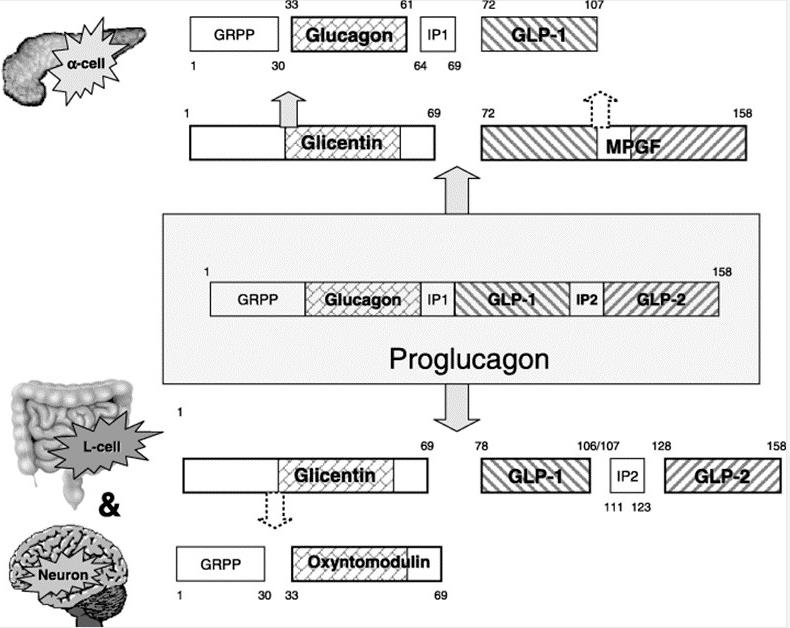
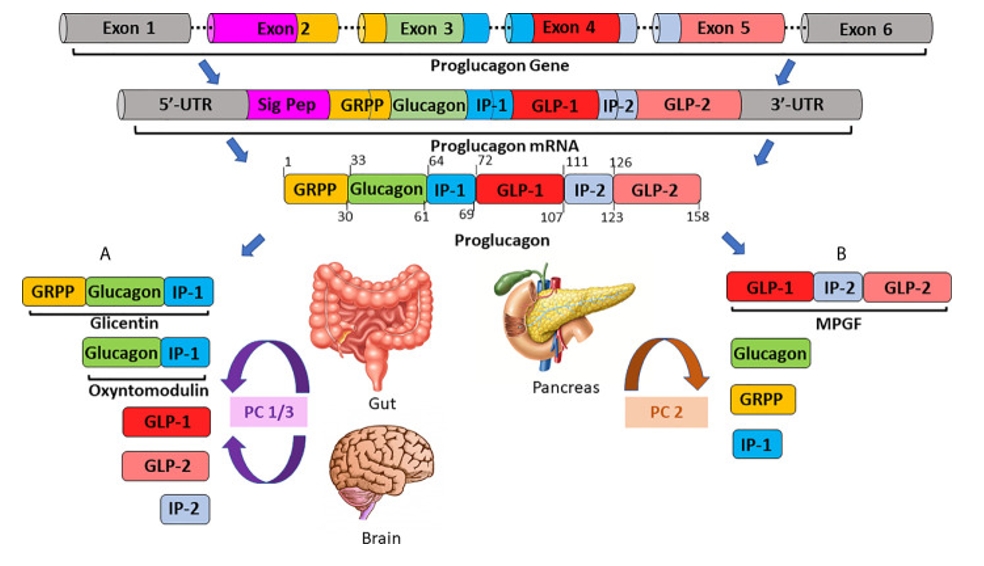 Fig. 1 Tissue-specific proglucagon processing
(Lafferty RA.; et al. Front Endocrinol. 2021)
The proglucagon gene is a versatile genetic element that, through sophisticated processing mechanisms, that play essential roles in glucose metabolism, intestinal health, and energy balance. The post-translational products of the proglucagon gene including several peptides.
In the pancreatic alpha cells, proglucagon is primarily cleaved by PC2 to produce glucagon, a 29-amino acid peptide. Its N-terminal portion contains a critical region that binds to the glucagon receptor, subsequently initiating a cascade of intracellular signaling pathways that promote gluconeogenesis and glycogenolysis in the liver, whilst also inhibiting glycolysis and glycogenesis. Moreover, in conditions of limited carbohydrate availability, glucagon exerts its effect by promoting lipogenesis and ketogenesis or facilitating fatty acid oxidation into acetyl-coenzyme A for energy production.
GLP-1 is produced by intestinal L-cells post-prandially. It is generated from proglucagon by PC1/3 processing. This incretin hormone enhances glucose-dependent insulin secretion but inhibits glucagon release. The biologically active forms of GLP-1 are GLP-1 (7–36)-amide and GLP-1 (7–37), both forms of circulating GLP-1 are subject to rapid N-terminal degradation by DPP-4, cleaving after Ala2 to generate GLP-1 (9-36) or (9-37) metabolites. The implications of GLP-1(9-36) effects on glycaemia are thought to be relatively inconsequential in comparison to GLP-1(7-36)-amide. In terms of diabetes treatment, GLP-1 therapies have been established using two main approaches: DPP4-resistant GLP-1 agonists/GLP-1RA and DPP-4 inhibitors, both of which aim to prolong the life-time of circulating GLP-1(7–36) amide.
GLP-2, consisting of 33 amino acids, is also derived from proglucagon and is primarily produced in the gut. GLP-2 is associated with intestinal growth and adaptation in a variety of pathological conditions and it is an important intestinotrophic growth factor and mediator of intestinal adaptation. The structure of GLP-2 is similar to GLP-1, with a highly conserved sequence and a C-terminal extension; however, GLP-2 is distinguished by its ability to activate the GLP-2 receptor, which is predominantly expressed in the proximal small intestine. The activation of this receptor leads to various biological effects, including increased nutrient absorption and enhanced gut health. GLP-2 analogues hold attractive prospect in development of therapeutics for short-bowel syndrome (SBS).
Oxyntomodulin is a product of the glucagon precursor, proglucagon, produced and released from the endocrine L-cells of the gut after enzymatic processing by the precursor PC1/3. It comprising in total 37 amino acids corresponding to the proglucagon sequence 33-69. Oxyntomodulin acts as a dual agonist for the GLP-1 receptor and glucagon receptor, thereby influencing both glucose metabolism and appetite regulation. It currently attracting considerable interest for its potential in the treatment of diabetes and obesity.
Glicentin is a longer peptide (69 amino acids) generated from the cleavage of proglucagon. The N-terminal proglucagon fragment glicentin contained the entire glucagon sequence attached to an N-terminal portion later identified as GRPP. The smaller fragment was essentially glucagon attached to a C-terminal octapeptide called intervening peptide-1 (IP-1). Glicentin plays a paracrine role in promoting intestinal growth and regulating motility, in addition to its role in glucose homeostasis by augmenting insulin secretion and inhibiting glucagon secretion.
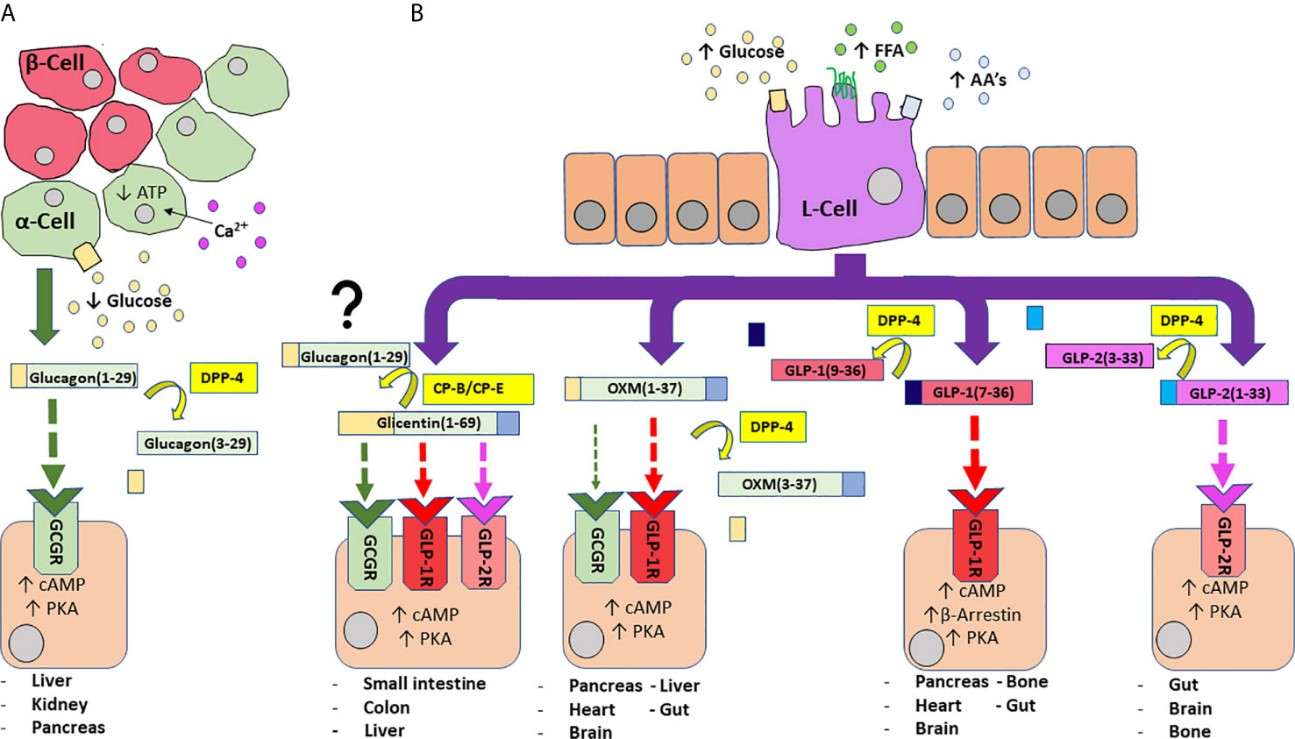
The secretion and release of glucagon family peptides are tightly regulated processes that respond to various physiological signals, including nutrient intake, hormonal fluctuations, and neural inputs.
In pancreatic alpha cells, glucagon release is inversely related to blood glucose levels. During hypoglycemia, reduced glucose uptake leads to decreased intracellular ATP levels, allow calcium influx and trigger glucagon secretion. Additionally, amino acids such as arginine can directly stimulate glucagon release.
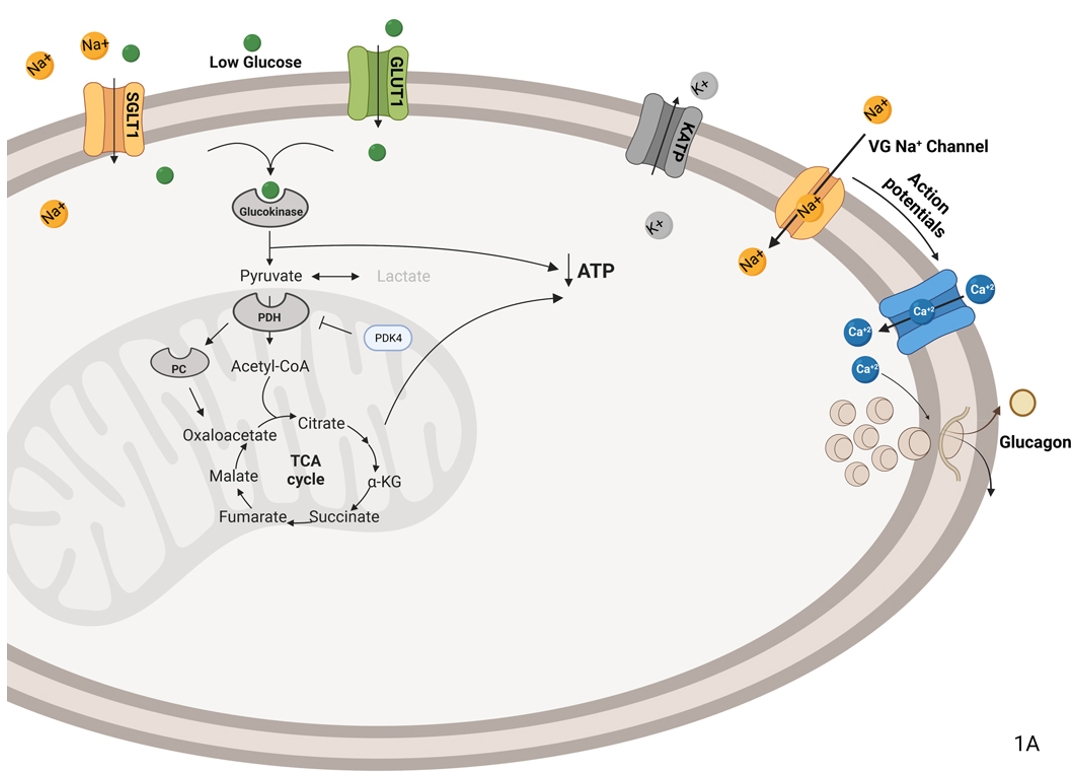 Fig. 2 Glucose regulated glucagon secretion
(Armour SL.; et al. J Endocrinol. 2023)
In contrast, the secretion of GLP-1 and GLP-2 from intestinal L-cells is primarily stimulated by the presence of nutrients in the gastrointestinal tract. Glucose, fatty acids, and amino acids directly stimulate L-cells through mechanisms involving G-protein-coupled receptors (GPCRs) such as GPR119, GPR120, and SGLT1. These receptors trigger intracellular signaling cascades that increase intracellular calcium levels and promote peptide secretion. Oxyntomodulin and glicentin are co-secreted with GLP-1 and GLP-2 in response to nutrient ingestion. Their release is similarly regulated by nutrient-induced activation of L-cells.
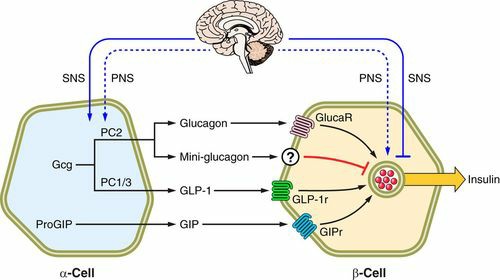 Fig. 3 Neuronal and paracrine regulation of α- and β-cell interactions.
(Sandoval DA, D'Alessio DA. Physiol Rev. 2015)
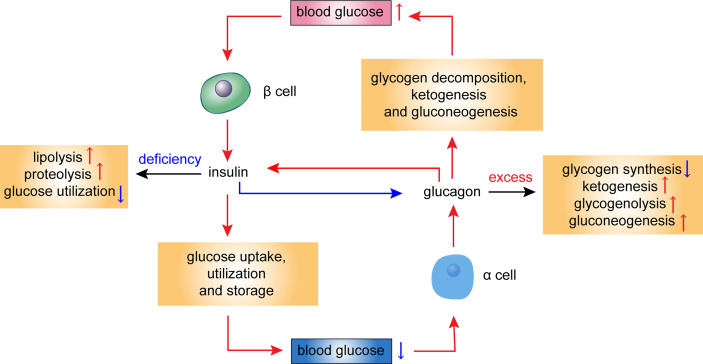
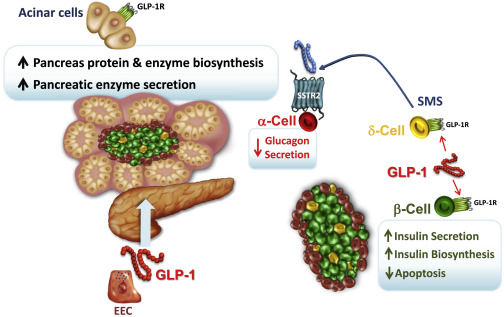
Insulin: Insulin has an inhibitory effect on glucagon secretion. High blood glucose levels stimulate insulin release from pancreatic β-cells, which in turn inhibits glucagon secretion through paracrine signaling. The inhibitory effect is mediated by its action on insulin receptors on alpha cells, leading to the activation of phosphodiesterase and reduction of cyclic AMP (cAMP) levels.
ANS: The autonomic nervous system (ANS) plays a crucial role in the regulation of glucagon and GLP-1 secretion. Sympathetic activity triggers the release of norepinephrine, which interacts with β-adrenergic receptors on α-cells to stimulate glucagon secretion. This mechanism is of particular significance during stress or physical activity as it promotes glucose release to meet higher energy demands. In contrast, parasympathetic nervous system activation via the vagus nerve enhances GLP-1 secretion during the initial phase of digestion to prepare the body for nutrient absorption and insulin release.
Hypoglycaemia: The ability of glucagon to rapidly mobilize glucose from tissue reserves makes GCGR agonists valuable in countering severe hypoglycemia, an adverse consequence of insulin therapy, in patients with T1DM. Injectable glucagon is faster than the dextrose method, greatly reducing the risk of hypoglycaemic-induced coma and death. Zegalogue has gained FDA approval while dasiglucagon, the active component of Zegalogue, is currently in phase 3 trials as a subcutaneous infusion for treating congenital hyperinsulinaemia, and in phase 2 trials as part of a bihormonal artificial pancreas pump system alongside insulin.
Diabetes and Obesity: GLP-1 native peptide has the ability to improve overall glycaemia, insulin sensitivity, β-cell function and reduce both appetite and food intake when administered. However, due to rapid inactivation by DPP-4, continuous infusion was required. Fortunately, with the discovery of exendin-4, several longer-acting GLP-1 mimetics gained regulatory approval for diabetes including exenatide, liraglutide, semaglutide, albiglutide and dulaglutide. These peptides have a longer half-life than the GLP-1 native peptide.
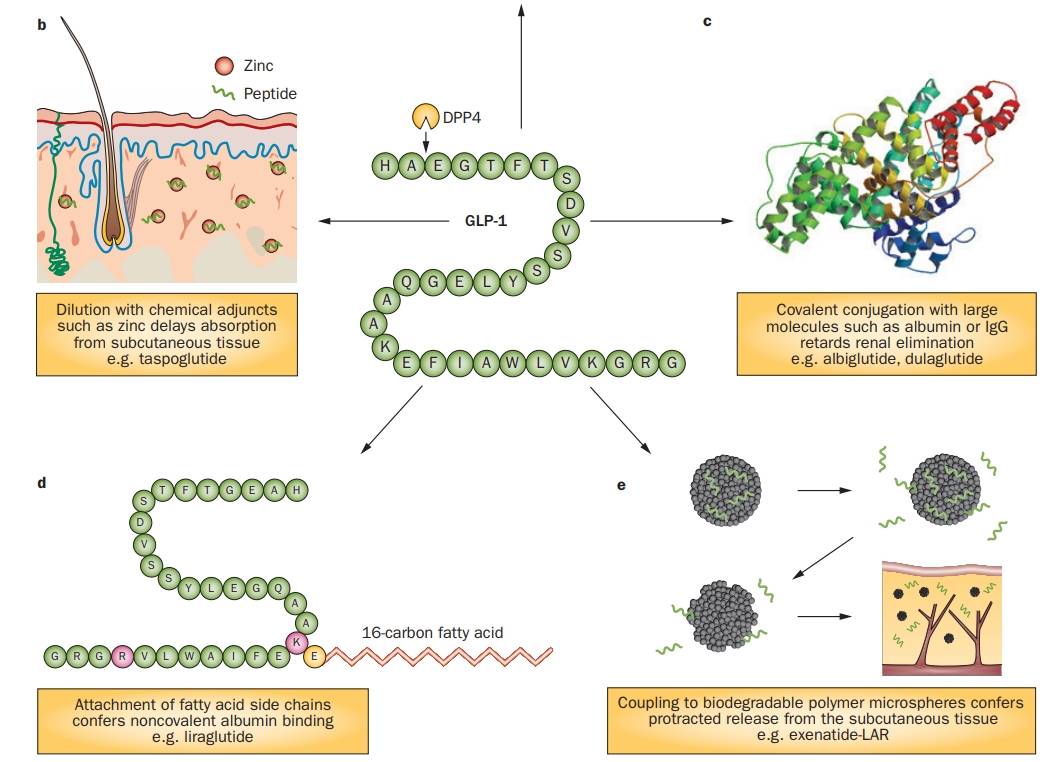 Fig. 4 Strategies employed to develop GLP-1 receptor agonists with prolonged in vivo half-lives.
(Meier JJ. Nat Rev Endocrinol. 2012)
Short Bowel Syndrome: Short bowel syndrome (SBS) is mostly secondary to surgical resection of the small intestine. By binding with GLP-2R, GLP-2 can promote the repair of damaged intestinal mucosa and absorption of intestinal nutrients. Due to the short half-life of native GLP-2, the development of long-acting GLP-2 analogs is the main research direction of scientists. GLP-2 analogs retain the pharmacological activity of natural GLP-2 and exhibit a more stable structure, longer half-life. Currently, GLP-2-based therapeutic peptides mainly include: teduglutide, glepaglutide and apraglutide.
References
Loading ......
