
Inquiry Basket
 Loading ......
The antibiotic kanamycin belongs to the aminoglycoside class and serves as a broad-spectrum medication widely used to treat multiple bacterial infections including those from Gram-negative bacteria. Antibiotics such as kanamycin eliminate harmful pathogens but also produce unintended negative effects particularly on the gut microbiome. The gut microbiome functions as a complex ecosystem containing trillions of bacteria and viruses along with fungi which significantly impacts human health. The gut microbiome helps digest food while producing essential vitamins and impacts both immune response and mental health. Any imbalance of this sensitive system results in dysbiosis that leads to significant health effects. This article examines kanamycin's effects on intestinal microbiota while discussing potential health risks from these effects and how to reduce them through probiotic and prebiotic interventions along with other gut health strategies.
Kanamycin functions as a bactericidal antibiotic which attaches to the bacterial 30S ribosomal subunit to block protein synthesis and generate defective proteins. Faulty proteins produced by bacterial cells interfere with normal cellular operations which results in cell death. Kanamycin proves to be a powerful antibiotic against many Gram-negative and selected Gram-positive bacteria which enables its use as an important treatment for severe infections such as tuberculosis, pneumonia and urinary tract infections.
The antibiotic's lack of selectivity between harmful and beneficial bacteria presents the major concern. Kanamycin administration targets harmful microbes but also damages the gut microbiome's non-pathogenic commensal bacteria. The non-selective destruction of helpful microorganisms leads to an imbalance in gut microbiota which causes decreased microbial species diversity and ecosystem disruption.
Numerous microorganisms live within the human gastrointestinal tract forming a dynamic ecosystem which supports their host's health and well-being. The gut microbiome breaks down food and synthesizes crucial vitamins B and K while providing defense against dangerous microorganisms. Kanamycin antibiotic treatment results in extensive modifications to microbial ecosystems.
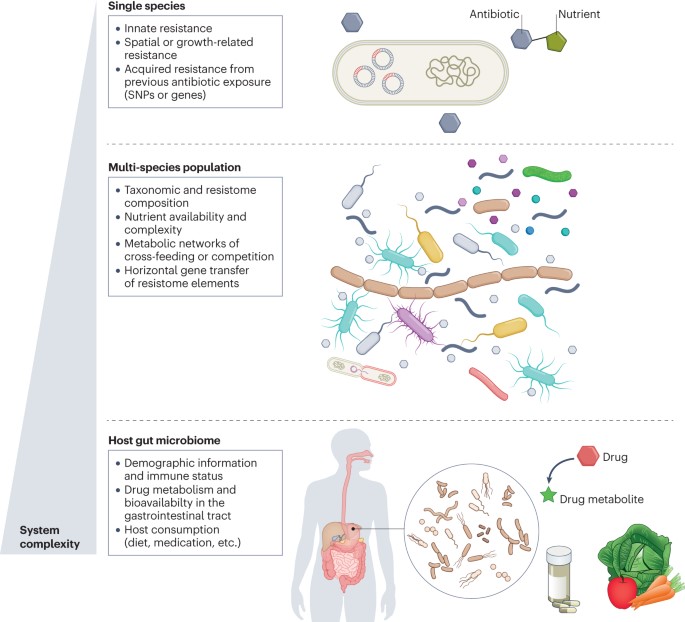 Figure 1. Integrated understanding of how antibiotics remodel the microbiome. (Sources: Fishbein SRS, et al. 2023)
Antibiotic treatment produces dysbiosis which leads to a disruption of the balance in intestinal bacterial populations. Kanamycin antibiotic treatments destroy beneficial bacteria more than harmful ones which results in a loss of microbial diversity. The collapse of beneficial gut bacteria which allows harmful bacterial populations to grow. The destruction of health-supporting gut bacteria by antibiotics leads to various health problems which compromise digestive functions and weaken the immune system.
The research demonstrates that kanamycin treatment leads to a decline in essential gut bacteria such as Lactobacillus and Bifidobacterium populations. During this period both Enterococcus and Clostridium bacterial populations saw rapid expansion.
The gut microbiome safeguards the body through intestinal barrier function that blocks harmful pathogens and toxins as well as undigested food particles from entering the body. Gut epithelial cells need to maintain structural integrity to serve as an effective barrier and gut microbiota composition plays a crucial role in regulating this barrier function. Antibiotics like kanamycin weaken the intestinal barrier by causing an imbalance in the gut microbiome.
Kanamycin alters the development pattern of short-chain fatty acids because these metabolites derive from dietary fiber fermentation by beneficial gut bacteria. Short-chain fatty acids like butyrate enhance gut lining health by driving growth and repair functions in epithelial cells. Useful gut bacteria destruction from antibiotic treatment reduces SCFA production and weakens intestinal barrier stability.
Disruption of gut function produces increased intestinal permeability that medical professionals call "leaky gut". Leaky gut emerges when epithelial cell tight junctions weaken which enables harmful substances and pathogens along with undigested food particles to enter the bloodstream. The systemic inflammatory response caused by this disruption can advance to produce autoimmune diseases along with food allergies and metabolic health problems. The occurrence of chronic inflammation from leaky gut syndrome has been associated with serious health issues including cardiovascular disease as well as cancer and diabetes.
Dysbiosis leads to health problems that affect systems outside of digestion. New studies reveal that an imbalanced microbiome can affect multiple body systems. Key health issues linked to gut microbiota disruption from antibiotic use such as kanamycin involve:
1. Immune Dysfunction
The gut microbiome serves as an essential regulator of immune system functions. In the gut beneficial bacteria work alongside immune cells to control inflammation while strengthening immune defense systems. A disrupted microbiome results in dysregulated immune responses which manifest as either hyperactive or suppressed immune system activity. Such dysregulation helps cause autoimmune diseases, allergies, and chronic inflammatory conditions.
2. Through nutrient absorption, carbohydrate breakdown and hormone production the gut microbiome shows its role in metabolic regulation. Dysbiosis is linked to obesity and insulin resistance as well as metabolic disorders. When beneficial gut bacteria decline food processing efficiency is affected which can cause weight gain and metabolic diseases including metabolic syndrome and type 2 diabetes.
3. Neurological Effects
The gut-brain axis creates an immediate connection between the digestive system and brain function. The latest scientific research shows that the makeup of gut bacteria impacts both mental health and brain function. Dysbiosis shows a connection with mental health disorders such as anxiety and depression and developmental conditions including autism spectrum disorder (ASD). The necessity of gut health arises from its fundamental link to physical well-being.
Researchers have discovered several methods to restore gut microbial balance and preserve gastrointestinal health after antibiotic treatments like kanamycin damage the gut microbiome. The use of probiotics and prebiotics constitutes two effective approaches to rebuild beneficial gut bacteria populations and enhance digestive health functions.
Live microorganisms known as probiotics deliver health advantages when taken in proper quantities. The beneficial microbes Lactobacillus and Bifidobacterium work to repair gut microbiota balance which antibiotics have disrupted. Probiotics lessen dysbiosis severity and enhance gut barrier performance which allows the microbiome to recover and restore balance faster.
Prebiotics consist of indigestible food substances including fibers which stimulate the proliferation of good bacteria in the gut. Prebiotic foods including garlic, onions, bananas and asparagus offer essential nutrients that support probiotic growth in the digestive system. Prebiotics promote a balanced microbiome and SCFA production which enhances gut barrier protection.
The combination of probiotics and prebiotics creates an effective method to counteract the harmful effects of antibiotics such as kanamycin while promoting gut health restoration.
The fields of metabolomics and metagenomics have recently yielded enhanced understanding about antibiotic effects on our gut microbiome.
The field of metabolomics studies the small molecules known as metabolites that are generated by microorganisms. Research into gut bacterial metabolic products enables scientists to understand the functional impacts of microbiome disturbances. Research investigating the metabolome of gut bacteria during kanamycin exposure has shown changes in SCFA production alongside other metabolites which clarifies how antibiotics modify gut function.
The sequencing of microbial community genetic material under metagenomics research has improved our knowledge of the gut microbiome. Research that identifies microbial species and examines their genetic structures enables scientists to determine which bacteria experience the greatest impact from kanamycin treatment. Researchers can now employ specific probiotics or dietary adjustments to restore the microbiome by replenishing lost species through a targeted restoration approach.
Several techniques exist to decrease kanamycin's damaging effects on gut microbial communities.
1. Responsible Antibiotic Use
2. Incorporating Probiotics and Prebiotics
3. Monitoring Gut Health
Kanamycin proves useful against bacterial infections but it disrupts the intestinal microbiome and induces dysbiosis which can lead to multiple health problems. Through knowledge about how antibiotics impact gut health alongside the use of probiotics and prebiotics as well as responsible antibiotic administration we can reduce harmful effects and maintain a balanced gut microbiome. The advancement of microbiome science research will provide new understandings about antibiotics' effects on gut health which will result in improved treatment methods and enhanced strategies to protect microbial diversity.
References
| Target | Cat. No. | Product Name | Host | Isotype | Application | |
| Kanamycin | HMABPY044 | RHA™ anti-Kanamycin Monoclonal antibody, clone KAN | Mouse | IgG | ELISA, LFIA | Inquiry |
| DPABY-883 | Anti-Kanamycin polyclonal antibody | Sheep | ELISA, Pr* | Inquiry | ||
| DPAB-DC4461 | Anti-Kanamycin polyclonal antibody | Sheep | EIA | Inquiry |
| Target | Cat. No. | Product Name | Expression System | Tag/Conjugate | Application | |
| Kanamycin | DAG1208 | Kanamycin [HRP] | N/A | HRP | N/A | Inquiry |
| DISNJ15 | Kanamycin Sulfate Standard | N/A | N/A | ELISA | Inquiry | |
| DAGA-040B | Kanamycin [BSA] | N/A | BSA | LFIA | Inquiry | |
| DAGA-044K | Kanamycin [KLH] | N/A | KLH | Immunogen | Inquiry | |
| DAG227S | Kanamycin [HSA] | N/A | HSA | ELISA | Inquiry | |
| DAG515S | Kanamycin [HSA-Biotin] | N/A | HSA-Biotin | ELISA | Inquiry |
| Target | Cat. No. | Product Name | Size | Species | Application | Detection Sample | |
| Kanamycin | DEIAH-004H | Kanamycin ELISA Kit | 96T | Quantitative | milk, milk powder, chicken, pork | Inquiry | |
| Kanamycin | DEIA048 | Kanamycin ELISA Kit | 96T | N/A | Quantitative | biological samples | Inquiry |
| Kanamycin | DEIA-WZ048V | High Sensitivity Kanamycin ELISA Test Kit | 96T | Quantitative | biological samples | Inquiry | |
| Kanamycin | DEIA048V | Kanamycin ELISA Kit | 96T | Quantitative | Vaccine | Inquiry | |
| Kanamycin | DEIA-004H | Kanamycin ELISA Kit | 96T | N/A | Quantitative, qualitative | tissue, milk | Inquiry |
| kanamycin | DTS761 | Kanamycin Residue Rapid Test(milk) | 96T | N/A | Qualitative | Milk | Inquiry |
Loading ......
