
Inquiry Basket
 Loading ......
Kanamycin functions as a broad-spectrum aminoglycoside antibiotic which healthcare providers and veterinarians use to treat multiple bacterial infections. In human medicine kanamycin treats severe infections such as tuberculosis and sepsis while in veterinary medicine it manages infections in livestock and poultry. Despite its efficacy, the overuse and misuse of kanamycin have led to an increasing problem: kanamycin resistance. Resistant bacterial strains present a major public health danger by reducing an essential antibiotic's effectiveness and making treatment plans more complex while advancing antimicrobial resistance (AMR). This work examines how kanamycin resistance genes are detected and analyzed through an examination of resistance mechanisms and molecular detection methods as well as their impacts on medical and veterinary applications. The article examines why recognizing and managing resistance is essential to maintain kanamycin's efficacy against bacterial infections.
Bacteria develop kanamycin resistance via multiple genetic pathways which typically involve the uptake of particular resistance genes. Through mutations and horizontal gene transfer bacteria obtain the ability to survive antibiotic treatment.
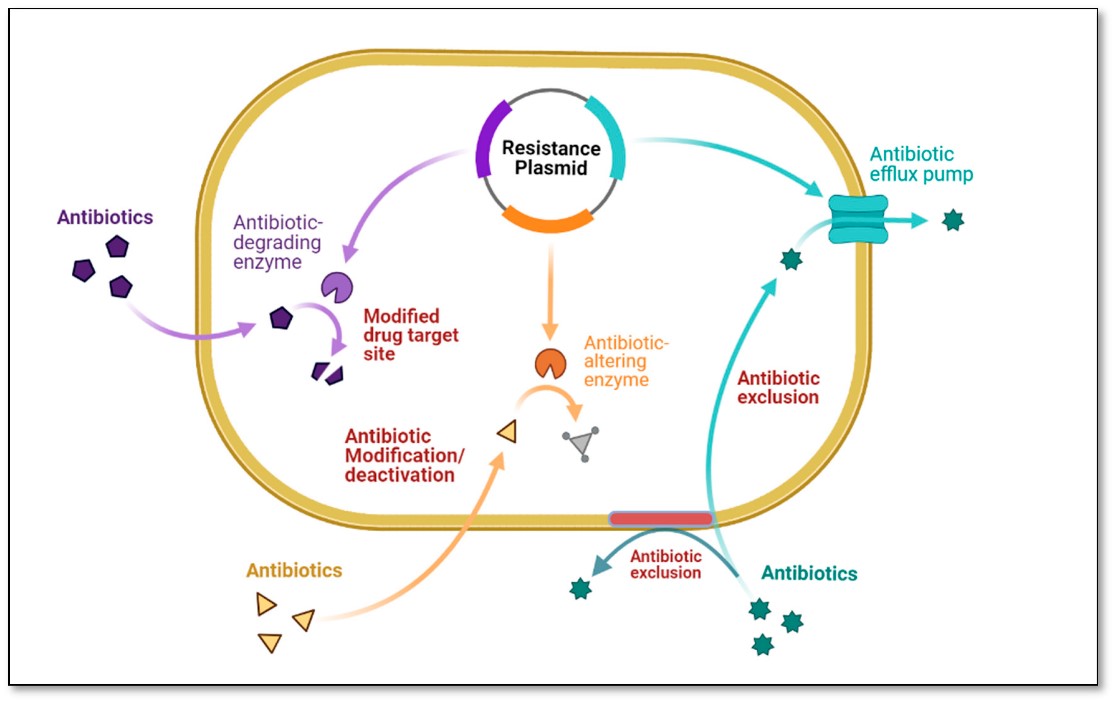 Figure 1. Antibiotic resistance mechanisms. (Sources: Selvarajan R, et al. 2022)
Genetic Basis of Resistance
The main way bacteria resist kanamycin is through enzymatic changes to the antibiotic molecule. Aph(3')-IIa resistance genes which are well-known produce proteins that add phosphate groups to kanamycin thus stopping the antibiotic from attaching to ribosomes and impeding protein production in bacteria. Additional resistance genes including kanR control enzyme expression which integrates into the larger genetic resistance network. Efflux pumps developed by bacteria remove kanamycin from inside the cells which decreases its concentration and diminishes antibiotic effectiveness. Bacterial resistance mechanisms include mutations within their ribosomal target site which affects kanamycin binding along with enzymatic modification and efflux pumps. Changes to ribosomal structure caused by mutations reduce how well kanamycin can bind to it and stop protein synthesis. The modification of ribosomes creates resistance which operates in the same way as resistance mechanisms seen with different aminoglycosides including gentamicin and streptomycin.
Horizontal Gene Transfer
Bacterial populations experience rapid dissemination of kanamycin resistance because of horizontal gene transfer (HGT). Through plasmids, transposons and integrons which function as mobile genetic elements bacteria can obtain resistance genes that allow these elements to travel between bacterial cells spreading resistance. The spread of kanamycin resistance in medical and animal health settings gets worse when resistance genes transfer between bacterial species. The transfer of kanamycin resistance across species and its fast spread through different ecosystems creates an international health hazard. During clinical treatments health professionals frequently identify kanamycin resistance in bacterial pathogens such as Escherichia coli together with Klebsiella pneumoniae and Pseudomonas aeruginosa. Inadequate use of antibiotics together with poor infection control measures result in hospital-acquired infections developing resistant strains. When animals raised for food production receive kanamycin without proper withdrawal periods before slaughter the antibiotics remain in food products as residues. The application of kanamycin in animal treatment leads to resistance in animal pathogens which then can affect humans through physical contact or eating tainted animal products.
Tracking and controlling resistance spread requires the detection of genes that confer resistance to kanamycin. Clinical and veterinary diagnostics utilize various detection methods that include phenotypic and molecular techniques.
Phenotypic Detection
The assessment of antibiotic resistance through phenotypic methods like disk diffusion and minimum inhibitory concentration (MIC) testing has been an established practice for many years. Bacterial cultures receive known kanamycin concentrations in these methods and their growth inhibition results are measured. The resistance profile of bacteria can be estimated by analyzing the inhibition zone size from disk diffusion tests or the lowest kanamycin concentration that stops bacterial growth during MIC testing. These methods although straightforward and common have several drawbacks such as lengthy procedures and poor specificity along with challenges in identifying low-level or multi-drug resistance. The phenotypic methods used for resistance testing lack the precision needed to determine genetic resistance mechanisms which are essential for pinpointing specific resistance genes.
Molecular Detection Methods
The polymerase chain reaction (PCR) molecular method allows scientists to detect kanamycin resistance genes quickly and precisely by examining DNA. PCR targets bacterial DNA segments with resistance genes to detect kanamycin resistance-associated genes like aph(3')-IIa and kanR among others. The detection capabilities for multiple resistance genes have been improved by real-time PCR and multiplex PCR techniques. These methods detect resistance genes while providing quantitative gene expression data which renders them essential tools for research and clinical diagnostics.
Whole-Genome Sequencing (WGS)
The use of whole-genome sequencing (WGS) to identify antibiotic resistance genes continues to grow in popularity. Through whole-genome sequencing of a bacterial isolate scientists are able to detect every resistance gene known and novel which exists in that organism. The approach produces detailed resistance profiles essential for studying resistance evolution and tracking resistant strains spread. Whole genome sequencing helps determine genetic surroundings of resistance genes by showing their positions in mobile genetic elements which helps researchers understand resistance spread mechanisms.
ELISA and Lateral Flow Assays
The immunoassay methods ELISA and lateral flow assays detect proteins related to resistance by using antibodies to target proteins produced by kanamycin resistance genes. The assays function through antibodies that target resistance markers to quickly and economically screen bacterial samples for kanamycin resistance. While these techniques are not typically employed for direct gene identification they become useful when rapid point-of-care testing situations demand their application.
Clinical Implications of Kanamycin Resistance
Treating hospital-acquired infections becomes increasingly difficult in clinical settings due to kanamycin resistance especially from Gram-negative bacteria like P. aeruginosa and K. pneumoniae. When resistant strains spread they limit effective antibiotic options which then result in patients staying in hospitals longer and facing more expensive treatment plans while mortality rates rise. Multi-drug resistance frequently accompanies kanamycin resistance which makes treatment plans more complex and reduces available therapeutic choices. The surveillance of kanamycin resistance genes within clinical isolates enables healthcare professionals to develop precise treatment approaches. Healthcare providers can follow resistance patterns through this system and make necessary changes to antibiotic stewardship protocols.
Veterinary Implications
Kanamycin resistance presents a significant problem in veterinary medicine specifically within livestock farming. The use of kanamycin for animal infection treatment can lead to antibiotic-resistant bacteria development when proper dosing is not followed or withdrawal periods before slaughter are ignored and when kanamycin is used routinely for growth acceleration. Resistant bacteria that develop in livestock can transfer to the food supply and directly endanger human health. A primary concern centers around the movement of antibiotic-resistant bacteria between animals and humans known as zoonotic transfer. Humans can contract resistant bacteria when they directly handle infected animals or eat meat tainted with pathogens and also through contact with environmental waste from contaminated animals. Protecting veterinary health and public health requires effective monitoring and control of kanamycin resistance spread among animal populations.
Animal-to-human transmission of resistant bacteria presents a significant threat particularly concerning kanamycin resistance. Animals that become hosts to resistant zoonotic pathogens transmit these infections to humans when people eat contaminated food or touch infected animals. The food supply becomes especially problematic when it contains resistant strains of Salmonella, E. coli, or Campylobacter. We need effective surveillance strategies and control measures to stop resistance from moving between different species.
Antimicrobial Stewardship
The increasing kanamycin resistance threat demands antimicrobial stewardship in clinical and veterinary environments. Antibiotic stewardship programs work to maximize antibiotic effectiveness through restricted usage while combating resistance development and enhancing patient health results. Veterinarians must reserve kanamycin prescriptions for essential cases while observing correct dosing guidelines and treatment lengths together with withdrawal period regulations.
Infection Control Measures
Controlling infection spread in hospitals and farms requires strict measures to prevent resistant bacteria from spreading. Effective infection control requires enhanced hygiene and sanitation protocols along with biosecurity measures while active resistance pattern monitoring through effective screening and surveillance programs. Routine kanamycin resistance testing of bacterial samples from both medical and animal healthcare settings helps identify resistance at an early stage and prevents its dissemination.
Alternative Treatments
Researchers are studying different treatment options to decrease dependency on kanamycin for bacterial infections. Research into alternative treatments for bacterial infections includes bacteriophage therapy and probiotics as well as the creation of new antibiotics that work through fresh mechanisms. Slowing down antibiotic resistance and maintaining drug effectiveness could be achieved by decreasing the use of kanamycin and similar antibiotics.
Understanding kanamycin resistance gene spread requires their detection and analysis to develop strategies against this escalating public health issue. Molecular detection techniques like PCR and whole-genome sequencing enable researchers to track resistance genes in bacterial populations which enables the development of precise treatment methods. The development of kanamycin resistance emphasizes the necessity for responsible antibiotic application in both human and veterinary practices together with the requirement for strong surveillance systems to manage resistance spread. The ongoing increase in antimicrobial resistance demands worldwide collaboration along with research into alternative therapies to preserve the effectiveness of antibiotics like kanamycin against bacterial infections.
References
| Target | Cat. No. | Product Name | Host | Isotype | Application | |
| Kanamycin | HMABPY044 | RHA™ anti-Kanamycin Monoclonal antibody, clone KAN | Mouse | IgG | ELISA, LFIA | Inquiry |
| DPABY-883 | Anti-Kanamycin polyclonal antibody | Sheep | ELISA, Pr* | Inquiry | ||
| DPAB-DC4461 | Anti-Kanamycin polyclonal antibody | Sheep | EIA | Inquiry |
| Target | Cat. No. | Product Name | Expression System | Tag/Conjugate | Application | |
| Kanamycin | DAG1208 | Kanamycin [HRP] | N/A | HRP | N/A | Inquiry |
| DISNJ15 | Kanamycin Sulfate Standard | N/A | N/A | ELISA | Inquiry | |
| DAGA-040B | Kanamycin [BSA] | N/A | BSA | LFIA | Inquiry | |
| DAGA-044K | Kanamycin [KLH] | N/A | KLH | Immunogen | Inquiry | |
| DAG227S | Kanamycin [HSA] | N/A | HSA | ELISA | Inquiry | |
| DAG515S | Kanamycin [HSA-Biotin] | N/A | HSA-Biotin | ELISA | Inquiry |
| Target | Cat. No. | Product Name | Size | Species | Application | Detection Sample | |
| Kanamycin | DEIAH-004H | Kanamycin ELISA Kit | 96T | Quantitative | milk, milk powder, chicken, pork | Inquiry | |
| Kanamycin | DEIA048 | Kanamycin ELISA Kit | 96T | N/A | Quantitative | biological samples | Inquiry |
| Kanamycin | DEIA-WZ048V | High Sensitivity Kanamycin ELISA Test Kit | 96T | Quantitative | biological samples | Inquiry | |
| Kanamycin | DEIA048V | Kanamycin ELISA Kit | 96T | Quantitative | Vaccine | Inquiry | |
| Kanamycin | DEIA-004H | Kanamycin ELISA Kit | 96T | N/A | Quantitative, qualitative | tissue, milk | Inquiry |
| kanamycin | DTS761 | Kanamycin Residue Rapid Test(milk) | 96T | N/A | Qualitative | Milk | Inquiry |
Loading ......
