
Inquiry Basket
 Loading ......
Capsaicin, the active component in chili peppers, is responsible for their spiciness. Chemically, it belongs to the class of vanilloid compounds and has unique biological activity. Its molecular structure includes a long-chain fatty acid and a benzene ring, with the formula C18H27NO3. Capsaicin is lipophilic and chemically stable, retaining its activity even at high temperatures. It is primarily found in the fruit of chili peppers, especially in the seeds and inner membranes, and is secreted by gland cells in the plant. Capsaicin serves as a defensive compound for the chili plant, protecting it from herbivores in nature by deterring consumption.
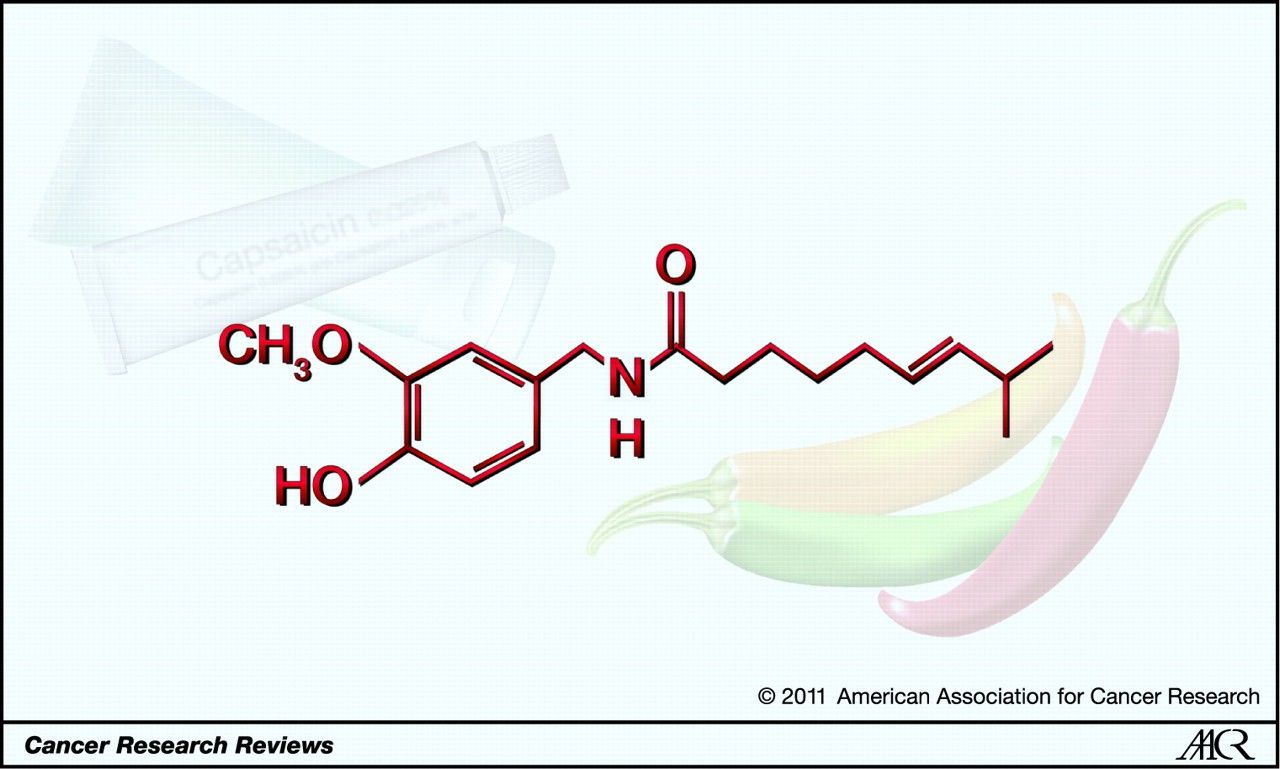 Figure 1. Chemical Structure of Capsaicin
(Source: Bode AM, et al. 2011)
Biologically, capsaicin binds to the transient receptor potential vanilloid 1 (TRPV1), inducing calcium influx and triggering a range of physiological and pathological responses. This mechanism not only gives capsaicin its spicy flavor but also imparts potential pharmacological effects. In addition to its role in pain perception and inflammation regulation, recent research has focused on capsaicin's relationship with cancer, particularly its dual role in cancer therapy, where it can both fight cancer and promote it under specific conditions.
TRPV1 is the primary target for capsaicin. This receptor is present in sensory neurons and plays a key role in detecting heat, pain, and inflammation. Normally, capsaicin binds to TRPV1, causing a physiological response known as depolarization, which allows neurons to transmit pain signals. However, TRPV1 is not only limited to neurons but is also expressed in many cancer cells, where it influences various functions related to cancer progression.
Studies indicate that capsaicin activates TRPV1, leading to increased intracellular calcium, which triggers apoptosis (programmed cell death). The excessive calcium influx damages the mitochondria and generates reactive oxygen species (ROS), inducing oxidative stress, which eventually leads to cell death. ROS can degrade the DNA, proteins, and lipids in cancer cells, promoting their apoptosis. This mechanism allows capsaicin, at low doses, to effectively suppress cancer cell growth and even initiate their death.
Moreover, capsaicin can inhibit key cancer signaling pathways, such as NF-κB and PI3K/Akt, which are crucial for tumor growth and metastasis. NF-κB is a pathway associated with inflammation and cell survival, often linked to cancer cells' resistance to apoptosis. Capsaicin blocks NF-κB signaling, weakening the cancer cells' anti-apoptotic defenses and making them more susceptible to chemotherapy and other cancer treatments.
 Figure 2. Mechanism of Capsaicin-Induced Pain
(Source: Fattori V, et al. 2016)
While capsaicin can inhibit cancer cell growth under certain conditions, high doses or prolonged exposure may have carcinogenic effects. Epidemiological studies suggest that populations with high capsaicin consumption exhibit higher rates of certain cancers, particularly in the digestive system, such as stomach and esophageal cancer. This carcinogenic effect may be linked to chronic inflammation, cell damage, and the overproduction of ROS caused by capsaicin.
Excessive ROS not only leads to cancer cell death but can also cause genetic mutations and DNA damage under long-term stress conditions. ROS can directly attack cellular DNA, leading to the accumulation of mutations, increasing the risk of carcinogenesis. Furthermore, capsaicin metabolites may produce toxic intermediates through the cytochrome P450 enzyme pathway, exacerbating damage to gastrointestinal epithelial cells, resulting in chronic inflammation and potentially inducing cancer.
Additionally, some research shows that capsaicin may greatly raise the risk of several cancers by interacting with other environmental carcinogens including alcohol and tobacco. This suggests that capsaicin's carcinogenicity is closely tied to extrinsic circumstances in addition to being dose-dependent. As a result, even though capsaicin may be able to prevent cancer, excessive consumption, especially in vulnerable people, may cause cancer.
 Figure 3. Apoptotic Pathways Potentially Activated by Capsaicin in Cancer Cells
(Source: Bley K, et al. 2012)
Despite its carcinogenic potential, capsaicin, when used in moderation, exhibits strong anticancer properties. Experimental studies show that capsaicin can inhibit the growth and metastasis of cancer cells through various mechanisms. In certain cancers, such as breast cancer, prostate cancer, and colorectal cancer, capsaicin effectively suppresses cell proliferation by activating ROS, modulating apoptotic pathways, and inhibiting PI3K/Akt signaling.
Capsaicin can also inhibit angiogenesis, the process of new blood vessel formation, which is essential for tumor growth. This effect is achieved by reducing the expression of vascular endothelial growth factor (VEGF), thus limiting the tumor's blood supply and nutrient intake, thereby curbing its spread.
Another interesting phenomenon is that capsaicin increases cancer cells' sensitivity to chemotherapy and radiation therapy, improving treatment efficacy. Capsaicin has been found to make cancer cells more sensitive to certain chemotherapeutic agents, especially in cases where drug resistance is a concern. By suppressing anti-apoptotic pathways such as Bcl-2 and Bcl-xL, capsaicin enhances the cytotoxic effects of chemotherapy drugs on cancer cells.
Capsaicin's effects are not consistent across all cancer types, as its efficacy depends on the type of cancer and its microenvironment. For example, in prostate cancer, capsaicin shows strong inhibitory effects on androgen-dependent prostate cancer cells but is less effective against androgen-independent prostate cancer cells. Conversely, in certain gastrointestinal cancers, such as stomach and esophageal cancer, capsaicin's pro-inflammatory effects may promote cancer development.
These dual effects indicate that capsaicin's role in cancer is not solely dose-dependent but also influenced by genetic expression, the tumor microenvironment, and other biological factors. Therefore, in future research and clinical applications, capsaicin use must be personalized according to the type of cancer and patient condition to maximize its anticancer effects while minimizing its carcinogenic risks.
Capsaicin not only serves as a direct anticancer agent but also holds potential as an adjuvant in cancer therapy. Experimental studies demonstrate that capsaicin can enhance the efficacy of existing cancer treatments, such as chemotherapy and radiation therapy, when used in combination. By regulating apoptotic pathways, capsaicin makes cancer cells more responsive to chemotherapy and radiotherapy, increasing treatment success rates.
Additionally, capsaicin can inhibit cancer cell invasion and metastasis. In some animal models, capsaicin significantly reduced distant metastasis by affecting the migratory and invasive abilities of cancer cells. This effect is primarily achieved by inhibiting extracellular matrix degradation and regulating cell adhesion molecules.
As a natural compound, capsaicin exhibits complex and multifaceted biological activity. Its role in cancer is dual, as it can activate TRPV1 receptors and ROS production pathways to exert anticancer effects while also posing a risk of promoting cancer under high doses or specific conditions. Future research should further explore capsaicin's dose-dependent effects and its specific mechanisms in various cancer types. Additionally, integrating capsaicin with existing cancer treatments to enhance efficacy and minimize side effects is a key direction for future studies. Capsaicin holds promise as a potential cancer therapy with further investigation.
References
| Target | Cat. No. | Product Name | Size | Species Reactivity | Application | Detection Sample | |
| Capsaicin | DEIASL105 | Capsaicin ELISA Kit | 96T | Quantitative | Raw peppers, salsa, and topical analgesics | Inquiry | |
| DEIASL106 | High Sensitivity Capsaicin ELISA Kit | 96T | Quantitative | Dehydrated Peppers and Oleoresins | Inquiry | ||
| DEIASL106R | Regular Sensitivity Capsaicin ELISA Kit | 96T | Raw pepper and salsa samples | Quantitative | Raw peppers and salsa | Inquiry |
| Target | Cat. No. | Product Name | Host | Isotype | Application | |
| Capsaicin | CABT-L3087 | Mouse Anti-Capsaicin monoclonal antibody, clone CPS | Mouse | IgG | ELISA, LFIA | Inquiry |
| Target | Cat. No. | Product Name | Expression System | Tag/Conjugate | Application | |
| Capsaicin | DAG-WZ1020 | Capsaicin[BSA] | KLH | ELISA, LFIA | Inquiry | |
| DAG-WZ1020O | Capsaicin [OVA] | N/A | KLH | ELISA, LFIA | Inquiry |
| Target | Cat. No. | Product Name | Size | Species Reactivity | Application | Detection Sample | |
| TRPV1 | DEIA-BJ1126 | Human TRPV1(Transient receptor potential cation channel subfamily V member 1) ELISA Kit | 96T | Human | Quantitative | Serum, plasma, tissue homogenates, other biological fluids | Inquiry |
| Target | Cat. No. | Product Name | Host | Isotype | Application | |
| TRPV1 | DCABH-13848 | Anti-TRPV1 monoclonal antibody, clone 2G6 | Mouse | IgG1 | WB, sELISA, ELISA | Inquiry |
| DCABH-13850 | Anti-TRPV1 monoclonal antibody, clone 2B9 | Mouse | IgG2a | WB, sELISA, ELISA | Inquiry | |
| CPBT-58358RH | Rabbit anti-Human TRPV1 Polyclonal antibody | Rabbit | IgG | WB, IHC-P, IHC-Fr | Inquiry | |
| CPBT-49653RR | Rabbit anti-Rat TRPV1 Polyclonal antibody | Rabbit | IgG | WB, ICC, IHC-P | Inquiry | |
| CPBT-49658RH | Rabbit Anti-Human TRPV1 Polyclonal Antibody | Rabbit | IgG | WB | Inquiry |
| Target | Cat. No. | Product Name | Expression System | Tag/Conjugate | Application | |
| TRPV1 | CDBP6372 | TRPV1 blocking peptide | N/A | KLH | IB | Inquiry |
Loading ......
