
Inquiry Basket
 Loading ......
Mycotoxins are naturally toxic substances generated by fungi from the genera Alternaria, Aspergillus, Fusarium, and Penicillium. There are approximately 400 various types of mycotoxins, which contaminate nearly 25% of all crops worldwide. Zearalenone (ZEN/ZEA), also known as F-2 toxin, is one of the most prevalent and dangerous mycotoxins. It was first discovered in the early 1960s in Fusarium-contaminated maize. Zearalenone is an estrogenic toxin produced predominantly by the metabolism of Fusarium graminearum, which causes chronic moderate toxicity. Zearalenone is noteworthy for its hepatotoxicity, immunotoxicity, and estrogenic effects. The chemical structure is similar to natural estrogens, including estradiol, estrone, estriol, 7β-estradiol, and 17β-estradiol. When consumed by animals, Zearalenone undergoes a reduction in the intestines and liver, producing metabolites including α- and β-Zearalenol (ZOL) and other compounds. After conversion, Zearalenone is rapidly excreted, but α-ZOL and β-ZOL remain in the body, exhibiting similar or even greater toxicity. Notably, α-ZOL has been shown to have a 60-fold higher estrogenic potency than Zearalenone due to its greater affinity for estrogen receptors. In contrast, the β form has lower receptor affinity and thus poses less harm. Zearalenone metabolites competitively bind to human estrogen receptors (ER-α and ER-β), disrupting the normal function of 7β-estradiol, classifying Zearalenone as a hormone disruptor.
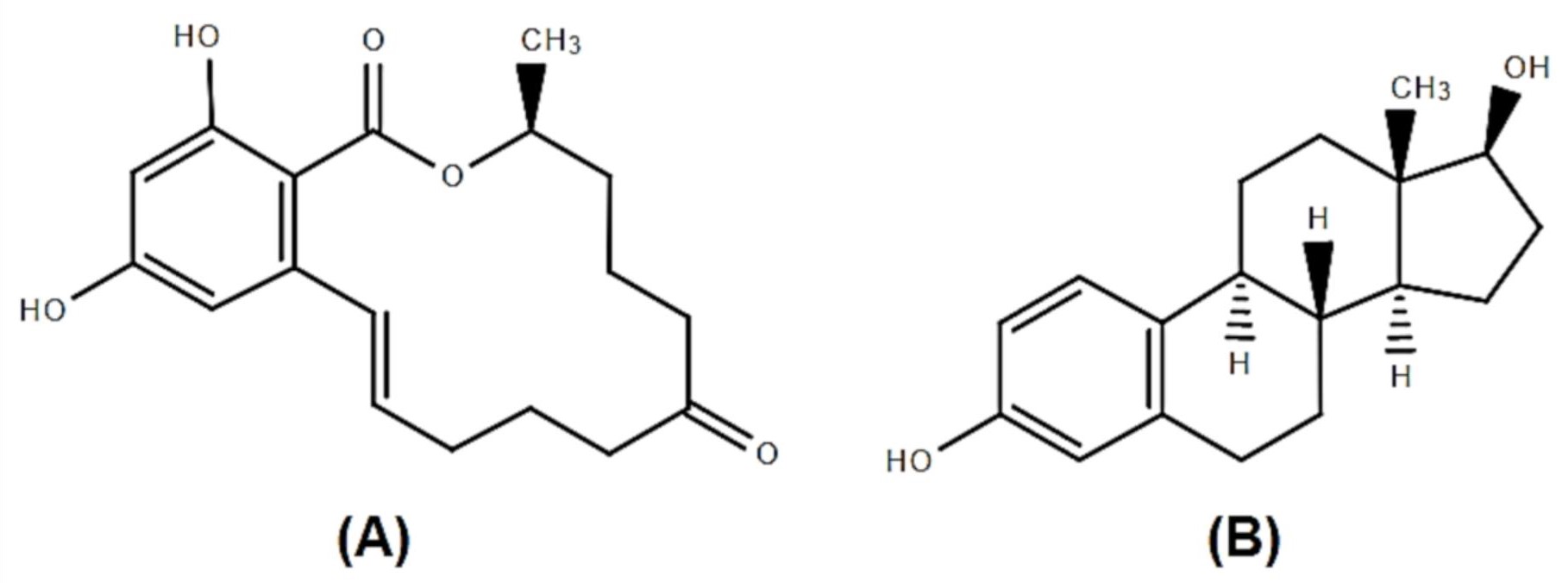 Figure 1. Chemical Structure of Zearalenone (A) and 17β-Estradiol (B)
(Source: Bulgaru CV, et al. 2021)
Zearalenone attacks grains during their growth and storage. It most commonly affects maize, where the average Zearalenone content may exceed 75%, and it also contaminates wheat, rice, barley, sorghum, soybeans, oats, and their derived feeds and foods. Zearalenone's thermal stability allows it to remain stable in grains even after processes such as milling, fermentation, high-temperature processing, and UV irradiation, making large-scale purification nearly impossible. Livestock consuming Zearalenone-contaminated feed distribute it throughout their bodies, and humans can ingest Zearalenone indirectly through consuming milk and meat from these animals, or directly through contaminated grain products. In addition to grains, meat, and milk, Zearalenone can also be found in wine, beer, dried fruits, and spices, making it pervasive in the human food chain and difficult to prevent. Overall, Zearalenone poses a significant threat to global food safety and sustainable agriculture. Its characteristics have garnered extensive attention from the fields of food science, environmental science, biology, and agronomy. The rapid increase in related research findings in recent years highlights Zearalenone as a rapidly developing and highly relevant topic.
It is well-known that Zearalenone poses significant health risks, and related research on its toxicity, including exposure, detection, and detoxification methods, has long been a focal point of study.
Zearalenone primarily exhibits hepatotoxicity, reproductive toxicity, immunotoxicity, and intestinal toxicity. Upon oral exposure, Zearalenone is rapidly absorbed into the digestive tract. The intestinal immune barrier and microbiota balance are first disrupted, leading to reduced resistance and inflammatory responses. Zearalenone is metabolized into α-ZOL and β-ZOL, which are absorbed by the intestinal mucosa and enter the bloodstream, being transported to various tissues and organs, thereby interfering with their normal structure and function. Zearalenone derivatives are widely distributed in the body, primarily accumulating in the liver, but can also be detected in the lungs, bile, digestive system, reproductive system, blood, and excreta.
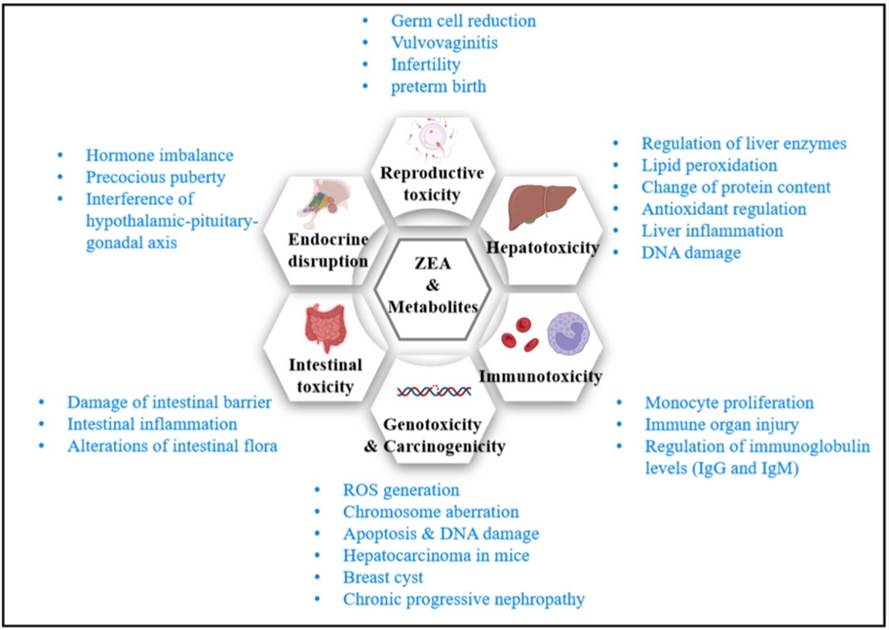 Figure 2. Major toxicities and mechanisms of action of Zearalenone
(Source: Han X, et al. 2022)
Zearalenone carries reproductive toxicity and can cause reproductive disorders in various animals, manifesting as abnormal secretion of reproductive hormones, changes in the morphology and function of reproductive organs, and reduced fertility. In females, conditions such as vaginitis, uterine hypertrophy, infertility, precocious puberty, preterm birth, and miscarriage may occur. In males, symptoms such as testicular atrophy, reduced sperm count, and decreased sperm motility can be observed.
Zearalenone exhibits immunotoxicity, which can damage the immune system, reducing the activity and proliferation of B and T lymphocytes. Zearalenone may affect innate immune functions by inhibiting macrophage production. Additionally, Zearalenone metabolites can significantly reduce immunoglobulin synthesis. In various animals, regardless of the toxin concentration or exposure duration, Zearalenone has been found to reduce serum levels of IgG, IgM, and IgA. Research data on the cellular mechanisms through which Zearalenone triggers different immune responses is still insufficient.
Recently, in addition to the general toxicities, Zearalenone's cytotoxicity and carcinogenicity have also been highlighted. Zearalenone and its derivatives cause disruptions in cell proliferation and apoptosis. α-ZOL and β-ZOL may damage cell membranes, induce mitochondrial damage, and inhibit RNA transcription, DNA replication, and protein synthesis, leading to genomic instability and an increased susceptibility to cancer and genetic diseases. Zearalenone may primarily induce apoptosis through the oxidative stress and endoplasmic reticulum stress (ERS) signaling pathways. Depending on the concentration, zearalenone has distinct effects on cells. Zearalenone causes cell division and inhibits apoptosis at low and medium concentrations, while it causes apoptosis at high quantities. Future studies on cell type specificity, long-term exposure effects, and protective mechanisms can be methodically and thoroughly guided by elucidating the dose-effect relationship and molecular mechanisms of zearalenone at various concentrations. These findings can also be used to optimize risk assessment models and establish safety standards.
The carcinogenicity of Zearalenone in humans is still uncertain. In 2017, the International Agency for Research on Cancer classified Zearalenone as a Group 3 carcinogen, indicating that its cancer-causing potential in humans is not well established. However, recent studies have highlighted the role of apolipoprotein E (ApoE) in the intestine, which is crucial for lipid secretion and metabolism. Zearalenone has been found to significantly reduce ApoE levels, thereby increasing the risk of developing cancers such as intestinal, breast, and colorectal cancer. This suggests that ApoE could be a critical target in understanding the link between Zearalenone exposure and cancer development.
Currently, clinical methods for detecting Zearalenone include high-performance liquid chromatography (HPLC), gas chromatography-mass spectrometry (GC-MS), enzyme-linked immunosorbent assay (ELISA), optical detection methods (such as fluorescence and UV-visible spectroscopy), and recently developed rapid detection technologies like lateral flow immunoassays and electrochemical sensors.
The proportion of Zearalenone reduction metabolites varies among different species, leading to differences in sensitivity to Zearalenone. In humans, β-ZOL constitutes the majority of metabolites, resulting in primarily chronic symptoms with long-term exposure potentially causing endocrine system disorders. In pigs and ruminants, α-ZOL is the predominant metabolite, making pigs the most sensitive species to Zearalenone, with sows being particularly affected. Conversely, avian species, especially chickens, exhibit significant resistance to Zearalenone, although chicken eggs are relatively susceptible to contamination. Due to these differences, rats, pigs, sheep, and fish are generally used as primary experimental animals for in vivo and in vitro Zearalenone studies. Additionally, the toxic activity of Zearalenone and its derivatives in the body depends on the immune and reproductive system status of the organism; the effects are more pronounced and severe during puberty or pregnancy.
Even though ruminants are highly sensitive to Zearalenone, recent research has confirmed that the microbial community in the rumen of ruminants can degrade Zearalenone metabolites α-ZOL and β-ZOL to some extent, exhibiting a recovery ability from Zearalenone exposure.
In plants, specific detoxification strategies have evolved, including the production of Zearalenone conjugates, which are then excreted or dissolved into the cytoplasm to counteract Zearalenone. For example, bacterial strains such as Bacillus subtilis and Pseudomonas fluorescens can neutralize Zearalenone into harmless compounds.
Currently, there are numerous documented experiments on Zearalenone in animals. While the observed effects in experimental animals may be similar to those in humans, some findings have yet to be confirmed in humans or other animals. Since the toxicity of Zearalenone in vivo is influenced by species and reproductive status, developing drugs targeting Zearalenone-induced animal cell damage requires understanding specific mechanisms and exploring different detoxification methods, posing a challenge in Zearalenone prevention and treatment. Moreover, more research is needed to thoroughly document the susceptibility and adverse reactions to Zearalenone in special populations such as infants, individuals with hypertension, diabetes, obesity, pregnant women and postmenopausal women.
Besides health risks, Zearalenone causes significant losses in agriculture. It directly results in severe crop yield reductions, decreases output by up to 19%, and indirectly causes economic losses in animal husbandry. Major livestock such as pigs and ruminants are highly sensitive to Zearalenone. Zearalenone contamination not only significantly reduces milk production in cattle and sheep but also causes symptoms in breeding sows, such as uterine and mammary inflammation, infertility, miscarriage, premature birth, vulvovaginitis, vaginal prolapse, retained placenta, and abnormal litter sizes, leading to high perinatal mortality rates and inconsistent piglet development. The global direct economic losses from reproductive disorders in sows due to moldy feed exceed 100 trillion yuan annually. Thus, alleviating and enhancing the reproductive capacity of pigs affected by Zearalenone is a critical issue.
Zearalenone also poses significant challenges to the agricultural and food industries. The main factors influencing Zearalenone concentrations in food include pre-harvest factors (fertilization levels, fungicide use, and harvest methods), post-harvest factors (drying methods, storage conditions), and processing factors (sorting, fermentation, etc.). Specifically, nitrogen fertilization, improper fungicide use, late harvesting, pre-harvest exposure to rainfall, and humid storage conditions increase Zearalenone deposition in grains. Current global climate changes, with rising temperatures and irregular precipitation, are likely to increase the risk of Zearalenone contamination in the coming decades. Additionally, improper industrial wastewater discharge can transfer Zearalenone through water, contaminating agricultural and drinking water sources, thus increasing human exposure directly and indirectly.
On-site prevention in agricultural production is an important strategy to enhance feed and food safety. The priority is the use of soil amendments, such as activated charcoal, which can adsorb Zearalenone and delay spore germination. Certain natural extracts (e.g., essential oils from peppermint, citrus, rosemary, tea tree, and montmorillonite–lemongrass) can inhibit the growth of Fusarium fungi and Zearalenone release. During processing, proper cleaning, dehulling, and fermentation can significantly reduce Zearalenone concentrations, further reduced by physical methods (radiation) and chemical methods (O3, H2O2).
Figure 3 presents various reported strategies and methods for controlling Zearalenone levels in grains and processed foods. (a) Plant hormone-mediated defense mechanisms in maize against Fusarium verticillioides; (b) Developing resistant maize varieties using molecular tools; (c) Altering the soil microenvironment with soil amendments; (d, e, f) Post-harvest methods)
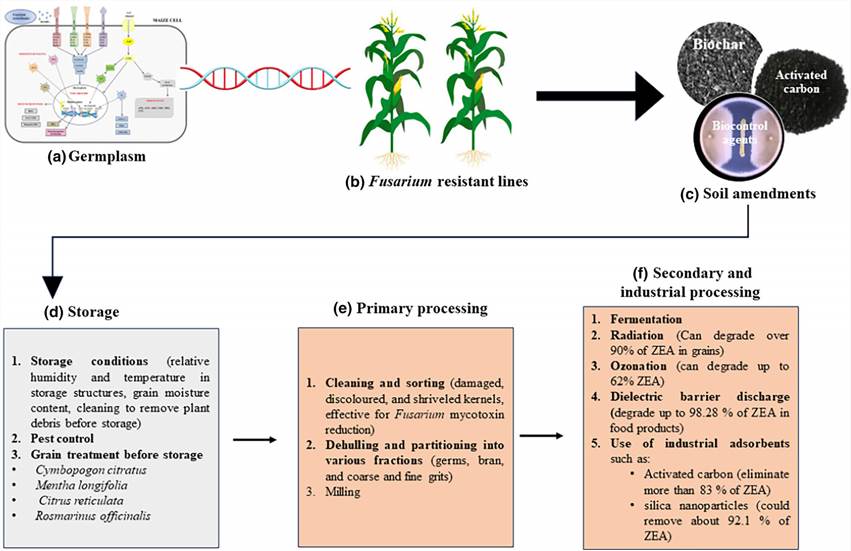 Figure 3. Methods for Controlling Zearalenone Levels in Grains and Processed Foods
(Source: Hudu A. R., et al. 2024)
Although effective, these methods are costly and inevitably affect the flavor/palatability and nutritional value of food/feed, and might even produce secondary pollutants. Safer and more effective control and detoxification methods are needed, with microbial degradation being one promising approach. It is highly specific, efficient, and harmless. Recent studies have shown that certain natural strains like Yeast, Bacillus, and Lactic acid bacteria can achieve different levels of detoxification by adsorbing Zearalenone and preventing its absorption by animals, with degradation rates exceeding 90%. Microbial degradation is suitable for laboratory work but requires further research for commercial-scale application.
Enzymatic degradation, as a more stable, cost-effective, and rapid strategy compared to microbial degradation, has attracted researchers' attention in recent years. The rapid development of genetic engineering has enabled the safe expression of recombinant enzyme genes in microorganisms. Zearalenone lactonase, characterized by high activity and non-toxicity, shows potential for developing innovative enzyme degradation technologies and promising biocatalysts, with significant industrial application potential.
In summary, future research directions include further exploring the exposure of Zearalenone in different animals and humans, particularly its long-term effects during specific physiological periods. Additionally, developing more effective prevention and management strategies is paramount. This includes improving agricultural practices, developing safe and sustainable degradation methods, and innovative detoxification technologies. Additionally, if your laboratory is planning or currently conducting research or testing related to Zearalenone, Creative Diagnostics offers a comprehensive range of Zearalenone detection products for your selection, including a variety of convenient and effective Antigens, Antibodies (monoclonal, monoclonal (RHATM), polyclonal), ELISA kits, etc.
References
| Target | Cat. No. | Product Name | Size | Application | Detection Sample | |
| Zearalenone | DEIA4447 | Zearalenone ELISA Kit | 96T | Quantitative | Grains, milk | Inquiry |
| DEIA055V2 | Zearalenone ELISA Kit | 96T | Quantitative | Cereals, milk, nuts, fruit, beer/gyle | Inquiry |
| Target | Cat. No. | Product Name | Host | Isotype | Application | |
| Zearalenone | DMAB8911 | Anti-Zearalenone monoclonal antibody | Mouse | IgG1 | ELISA | Inquiry |
| HMABPY013 | RHA™ anti-zearalenone monoclonal antibody, clone ZEN | Mouse | IgG | ELISA, LFIA | Inquiry | |
| CABT-Z464S | Sheep Anti-Zearalenone Polyclonal Antibody | Sheep | IgG | IA | Inquiry |
| Target | Cat. No. | Product Name | Tag/Conjugate | Application | |
| Zearalenone | DAGA-H013F | Zearalenone [FITC] | FITC | ELISA | Inquiry |
| DAGA-H013O | Zearalenon [OVA] | OVA | ELISA | Inquiry | |
| DAG1333 | Zearalanone(7) [HRP] | HRP | N/A | Inquiry | |
| DAGZEN013 | Zearalenone [BSA] | BSA | LFIA | Inquiry | |
| DAGA-013K | Zearalenone [KLH] | KLH | Immunogen | Inquiry | |
| DISNJ012P | Zearalenone Standard (97%) | N/A | ELISA | Inquiry |
| Target | Cat. No. | Product Name | Host | Application | |
| Zearalanol | DPAB28030 | Anti-Zearalanol polyclonal antibody | Sheep | IA, ELISA, WB, Dot, IHC | Inquiry |
| B-Zearalanol | DPAB-DC4032 | Anti-B-Zearalanol polyclonal antibody | Sheep | EIA | Inquiry |
| Target | Cat. No. | Product Name | Tag/Conjugate | Application | |
| Zearalanol | DAGB355 | Zearalanol [HRP] | HRP | IA | Inquiry |
Loading ......
