
Inquiry Basket
 Loading ......
Therapeutic drug monitoring (TDM) is the clinical practice of measuring specific drugs at designated intervals to maintain a constant concentration in a patient's body fluids, thereby optimizing individual dosage regimens. Quantitation of drugs and drug metabolites in complex sample matrices for TDM purposes frequently uses immunoassays. Many formats of immunoassays have been automated and are widely used in the clinical laboratory.
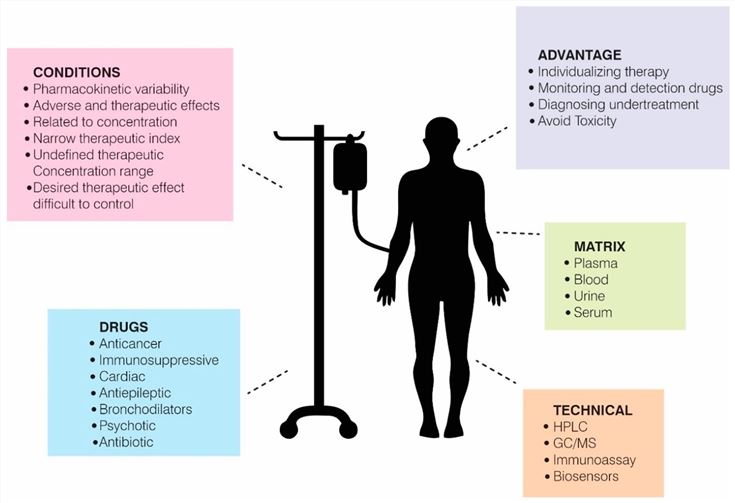 Fig. 1 Therapeutic drug monitoring (Garzón, V.; et al. 2019)
Not all drugs require therapeutic monitoring. Most drugs have a wide therapeutic index and can be prescribed based upon pre-established dosing schedules. The effectiveness of these treatments has been evaluated, but monitoring the concentration of the drug in the body is not required for dosing. TDM is routinely applied with selected small-molecule drugs, such as antibiotics, antifungal drugs, anticancer drugs, immunosuppressants, and psychotropic drugs.
TDM is being increasingly used for antibiotic dose optimization in the attempt to improve attainment of pharmacokinetic/pharmacodynamic (PK/PD) targets and outcomes of severe infections in the critically ill. Aminoglycosides and vancomycin belong among the most frequently monitored drugs. The internationally recommended evaluation parameter for the efficacy of vancomycin is AUC/MIC, and the value of this parameter is maintained between 400~600.
Antifungal TDM is generally indicated for the mould-active triazoles (itraconazole, voriconazole and posaconazole) and the nucleotide flucytosine (5-fluorocytosine). Itraconazole concentrations steadily increase and reach 0.5–1 mg/L in the first 2 weeks of therapy. Posaconazole concentrations steadily increase in the first week and plateau thereafter. Repeat testing is required if the clinical condition changes or following dosage adjustment. Serum samples can be collected earlier than 7 days, but the use of a lower therapeutic target of 0.35 mg/L after 48 h of therapy is appropriate.
For most anticancer agents, TDM can correct for most of PK variability, consequently reducing the variability in response. Established TDM approaches include the widely used anticancer drugs carboplatin, busulfan and methotrexate. The main dose-limiting toxicity of carboplatin is myelosuppression. A target carboplatin AUC of 4~7 mg.min/ml is suggested in ovarian cancer. The therapeutic range of methotrexate is considerably small and the high therapeutic concentrations may induce hepatic, pulmonary anomaly and myelosuppression. The optimum period for measuring plasma methotrexate concentrations and determining the risk of toxicity is between 24 and 48 h after the initiation of methotrexate. Over the 24-48 h interval methotrexate plasma levels are generally comparable for patients receiving different methotrexate dosage protocols at ≈10−6 m and 1−6 m at 24 and 48 h, respectively.
Immunosuppressants require TDM because of their narrow therapeutic index and significant inter-individual variability in blood concentrations. Drug monitoring is widely practiced especially for cyclosporine and the immunosuppressants tacrolimus (FK506), sirolimus, and mycophenolate mofetil (MMF). The functioning of solid organ transplants is dependent on a combination of immunosuppressive medications. TDM is routinely performed during treatment with calcineurin- and mTOR inhibitors.
For some psychotropics, therapeutic ranges have been established. The major relevant classes are the mood stabiliser lithium, some of the tricyclic antidepressants (TCAs), and clozapine. Serum concentrations of haloperidol and flufenazine have been shown to be correlated with clinical efficacy, and the effective therapeutic concentrations are 5 ~ 17ng·mL-1 and 0∙2 ~ 2ng·mL-1, respectively. The recommended therapeutic concentration ranges of chlorpromazine and perphenazine are 20~300 ng/mL and 0.6~2.4ng/mL. The therapeutic range of clozapine concentration was 350~600 ng/mL.
The therapeutic concentration of this kind of drug is close to its toxic concentration, which is easy to be poisoned. Only by adjusting the dose through TDM can the drug use be safe and effective. For example, the effective blood concentration of digoxin is only 0.5 ~ 2ng/mL, which is very close to the toxic concentration.
For example, if the concentration of phenytoin sodium is not proportional to the dose, pharmacokinetic parameters change with the dose, it is easy to cause drug poisoning when adjusting the dose. Therefore, it is necessary to timely monitor the concentration of phenytoin sodium to avoid the occurrence of toxic and side effects.
It is difficult to obtain stable and controllable blood concentration of such drugs. For example, after a certain dose of phenytoin sodium is applied, the blood concentration will increase sharply and non-linear, which may lead to poisoning risk. Therefore, the blood concentration should be monitored.
Some drugs may reduce the efficacy or increase the toxicity after long-term use. For example, the long-term use of phenobarbital is likely to lead to the weakened reactivity of the body and the reduced efficacy.
Immunoassay, as a common method used to detect drug concentration in clinical laboratories, has the advantages of good repeatability, high sensitivity, strong specificity, small sample requirement, simple pretreatment and so on. Currently, immunoassay has become a rapid, practical and reliable method for monitoring the blood concentration of clinical therapeutic drugs.
The principle of radioimmunoassay is that the sample is incubated with the antibody so that the antigen in the sample binds to the antibody. A radio-labeled antigen is then added to competitively bind the antibody to the antigen in the sample. The more antigens in the sample, the less ability the radio-labeled antigen has to bind to the antibody. RIA uses radionuclides as labelled compound and can be used for clinical serum concentration monitoring. Westley et al. determined cyclosporin A content in whole blood of kidney transplant patients by radioimmunoassay with good accuracy.
In view of safety, RIA was improved to replace the radioisotope with an enzyme, thus the enzyme immunoassay was established. This method is an immunoassay technique that combines the specificity of efficient enzymatic catalyzed reaction with the specificity of antigen-antibody reaction by using enzyme-labeled antibody/antigen as the main reagent. Common types of technology include: ELISA, ELISPOT, LEIA etc. Among them, ELISA is often used for clinical therapeutic drug monitoring. Xu L et al. used ELISA to determine the blood concentration of polymyxin B.
Fluorescence immunoassay uses fluorescent substances to label the antibody (or antigen), and obtains the detection result by qualitative or quantitative analysis of the fluorescence strength of the specific binding site of the tested substance in the reaction system based on the antigen-antibody reaction. Common analysis methods are: IFA, flow cytometry and immunofluorescence, TRFIA, FPIA. Among them, FPIA has the characteristics of good repeatability, high sensitivity and strong specificity, which can quickly realize fully automated detection, and is a fast, practical and reliable method for monitoring blood drug concentration of clinical therapeutic drugs.
Chemiluminescence immunoassay is an antigen or antibody detection technology based on the combination of high sensitivity of chemiluminescence reaction and high specificity of immune system. According to different chemiluminescence method, chemiluminescence immunoassay are divided into direct chemiluminescence immunoassay, electrochemiluminescence immunoassay (ECLIA), luminescent oxygen channeling immunoassay (LOCI). ECLIA is often used for clinical therapeutic drug monitoring.
References
Loading ......
