
Inquiry Basket
 Loading ......
Astrovirus is an enveloped spherical virus that infects mammals and birds. It has a diameter of approximately 28-35nm, a surface with a pentagonal or hexagonal star structure, and a single stranded RNA nucleic acid. It was first isolated from the feces of diarrheal infants in 1975 and belongs to the family Astroviridae, which is divided into mammalian and avian genera. The mammalian genus includes species such as humans, cats, pigs, sheep, and minks. The avian genus includes types such as turkey astrovirus and avian nephritis virus. The virus is transmitted through the fecal oral route, mainly causing acute viral enteritis in infants, elderly people, and immunocompromised individuals. The incubation period is 1-3 days, and symptoms include watery diarrhea, fever, and vomiting. The course of the disease usually resolves on its own within 2-6 days. The detection methods include electron microscopy observation, enzyme-linked immunosorbent assay, and polymerase chain reaction.
Astroviruses cause gastroenteritis by causing destruction of the intestinal epithelium, leading to the inhibition of usual absorption mechanism, loss of secretory functions, and decrease in epithelial permeability in the intestines. Inflammatory responses were seen to not affect astrovirus pathogenesis.
Star shaped viruses have a star shaped appearance with five to six dots. Human astrovirus is a part of the mammalian astrovirus genus, consisting of 8 serotypes. The human astrovirus capsid spines have a unique structure. Especially the spike structure domain has a 3-layer β sandwich fold and a core 6-layer β barrel structure. The beta bucket has a hydrophobic core. The three-layer beta sandwich is packaged outside the beta bucket. Spike also forms dimers. This unique structure has been found to be similar to the protein projection on the hepatitis E virus capsid. The projection domain of human astrovirus contains receptor binding sites for polysaccharides. The amino acid sequence of the star shaped virus capsid protein does not have similar homology with other known viral proteins, but the closest is hepatitis E virus.
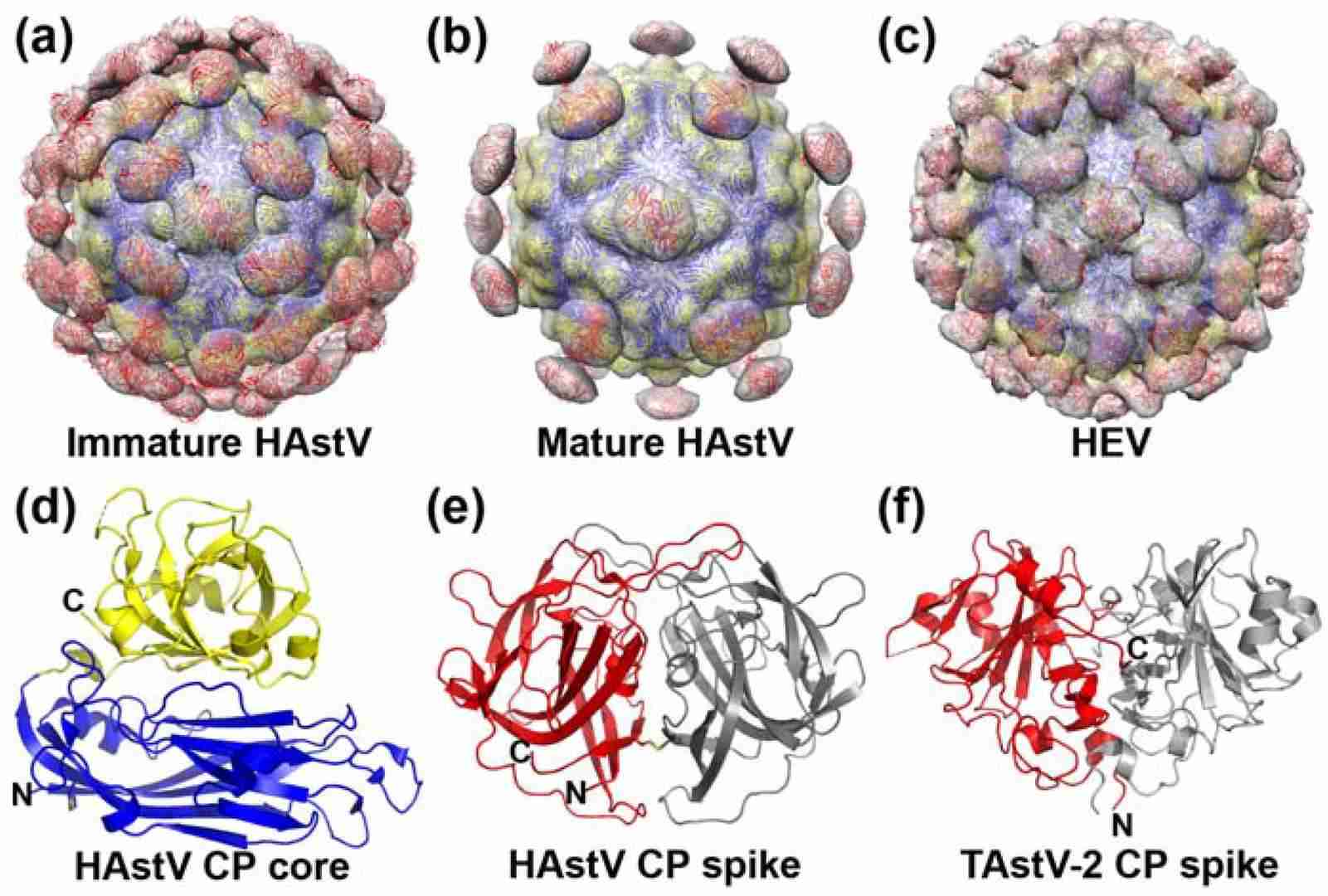 Figure 1. The Astrovirus Capsid.( Arias, Carlos F, et al. 2017)
Genetic sequencing studies have shown that human astroviruses have homology with certain animal astroviruses (such as bats and birds), suggesting that they may have been transmitted to humans through animal hosts (such as intermediate hosts or direct contact) in history.
Viruses acquire the ability to infect humans through genetic recombination or mutation. For example, the capsid protein structure of HAstV-1 may help it bind to human intestinal cell receptors.
Some studies suggest that astroviruses may have already existed in the population, but have not received much attention due to mild symptoms (or asymptomatic infections), and have only been widely recognized with the advancement of modern detection technologies.
According to the latest classification report of International Committee on Taxonomy of Viruses (ICTV) in 2012, Astroviridae can be divided into two genera: Mamastovirus and Avastrovirus. Among them, the mammalian astrovirus genus includes a total of 19 species (Mamastrovirus 1-19), while the avian astrovirus genus is currently divided into 3 species (Avastrovirus 1-3). The species covered by the avian astrovirus genus include avian astrovirus, duck astrovirus, and turkey astrovirus; The genus of mammalian astroviruses includes bovine astrovirus, roe deer astrovirus, feline astrovirus, human astrovirus, sheep astrovirus, mink astrovirus, porcine astrovirus, etc.
The virus has a global distribution and is transmitted through fecal oral transmission. It is one of the important pathogens that cause acute viral enteritis in infants, elderly people, and immunocompromised individuals. Its pathogenicity has been increasingly recognized. The main symptoms of human infection with astrovirus are severe diarrhea, accompanied by fever, nausea, and vomiting. This disease is a self-healing condition, and most patients experience gradual relief of symptoms within 2-3 days of onset. However, a very small number of patients may experience worsening symptoms, leading to dehydration.
Observation of the patient's feces under electron microscopy, enzyme-linked immunosorbent assay (ELISA), fluorescence immunoassay, polymerase chain reaction (PCR) can effectively detect virus particles, antibodies, etc
| Host and Mode of Transmission | Details |
| Natural Host | Astroviruses have a wide range of hosts in nature: Human: mainly infecting infants, elderly people, and immunocompromised individuals, causing symptoms such as diarrhea and vomiting. Animals: Poultry (such as chickens, ducks), pigs, cows, cats, etc. can all carry animal astroviruses, and some strains may be transmitted to humans through contact or contaminated food. |
| Mode of Transmission | Fecal oral route: Contact with virus contaminated feces, water sources, or food is the main mode of transmission. Close contact: Family members or crowded places (such as daycare centers) are prone to interpersonal transmission. Animal borne transmission: Contact with infected animals during slaughter and breeding may lead to transmission. |
Astroviruses have evolved from a simple star shaped form and their role in uncomplicated pediatric diarrhea to a genetically diverse pathogen recognized for its ability to cause severe systemic diseases. The discovery of neurotropic astrovirus represents a significant paradigm shift in the field, revealing a previously unknown pathogenic potential. Understand the mechanisms of neural invasion and neurotoxicity, develop effective antiviral therapies for severe cases, elucidate various diseases caused by novel MLB and VA branches, and explore the zoonotic potential of animal astroviruses. With the continuous improvement of monitoring and diagnostic technologies, the astrovirus family is likely to continue to surprise us, highlighting their importance as important and evolving human and animal pathogens.
References
| Target | Cat. No. | Product Name | Host | |
| / | DAG155 | Native AstroVirus type 1 | N/A | Inquiry |
| / | DAG-P2191 | Astrovirus type 1 (full length) | N/A | Inquiry |
| / | DAGA-3034 | Recombinant Astrovirus Capsid protein [GST] | E. coli | Inquiry |
Loading ......
