
Inquiry Basket
 Loading ......
The hemagglutinin (HA) tag is a general epitope tag derived from the HA-molecule and corresponds to amino acids 98-106. It has been widely used in expression vectors. Since its introduction almost 20 years ago as a short immunoreactive tag, the hemagglutinin epitope YPYDVPDYA (HA tag) from the influenza virus A, has been extensively used in various experimental contexts of cell biology and biochemistry to track proteins of interest within cells, to isolate them and to coprecipitate their possible partners.
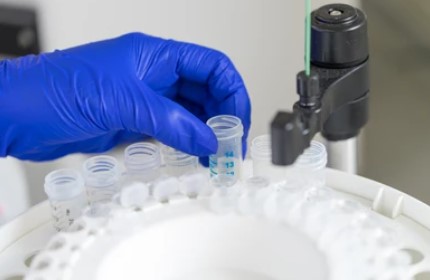 Fig 1. Protein purification
The DNA sequences for the HA-tag include: 5'-TAC-CCA-TAC-GAT-GTT-CCA-GAT-TAC-GCT-3' or 5'-TAT-CCA-TAT-GAT-GTT-CCA-GAT-TAT-GCT-3'. The resulting amino acid sequence is YPYDVPDYA (Tyr-Pro-Tyr-Asp-Val-Pro-Asp-Tyr-Ala).
Protein purification is a critical step in understanding the cellular mechanisms that underlie biological processes. It involves the isolation of a specific protein from a complex mixture of other proteins, and the identification and characterization of the protein's structure, function, and interactions. To achieve this, various purification methods have been developed, and one of the most commonly used is the affinity purification using a protein tag.
HA tag comes from human influenza hemagglutinin (HA) corresponding to amino acids 98-106 and is a strong immunoreactive epitope making it popular to isolate, purify, detect, and track the protein of interest. The recombinant HA-tagged proteins can be separated by highly specific anti-HA monoclonal antibody that is covalently immobilized on resin. HA tag are well characterized and highly immunoreactive tags which are generally used for the separation of tagged proteins from cell culture supernatants and cell lysate under neutral pH conditions and thus are handy tools for coimmunoprecipitation (co-IP) but are also easily detected via western blot. Moreover, they are small and thus unlikely to interfere with the bioactivity and function of the fusion partner proteins. The HA-tag's efficiency in protein purification has been demonstrated in various studies. For instance, it has been widely used to purify recombinant proteins expressed in mammalian, bacterial, yeast, and insect cells. Additionally, the HA-tag has been used to purify protein complexes and monitor protein-protein interactions, allowing researchers to study cellular pathways and interactions in a more targeted and precise manner.
Creative Diagnostics provides HA-tag antibodies, proteins, and ELISA kits are validated for use in various applications including western blot, immunoprecipitation, immunohistochemistry, immunocytochemistry, and flow cytometry.
Reference
Loading ......
