


Inquiry Basket
 Loading ......
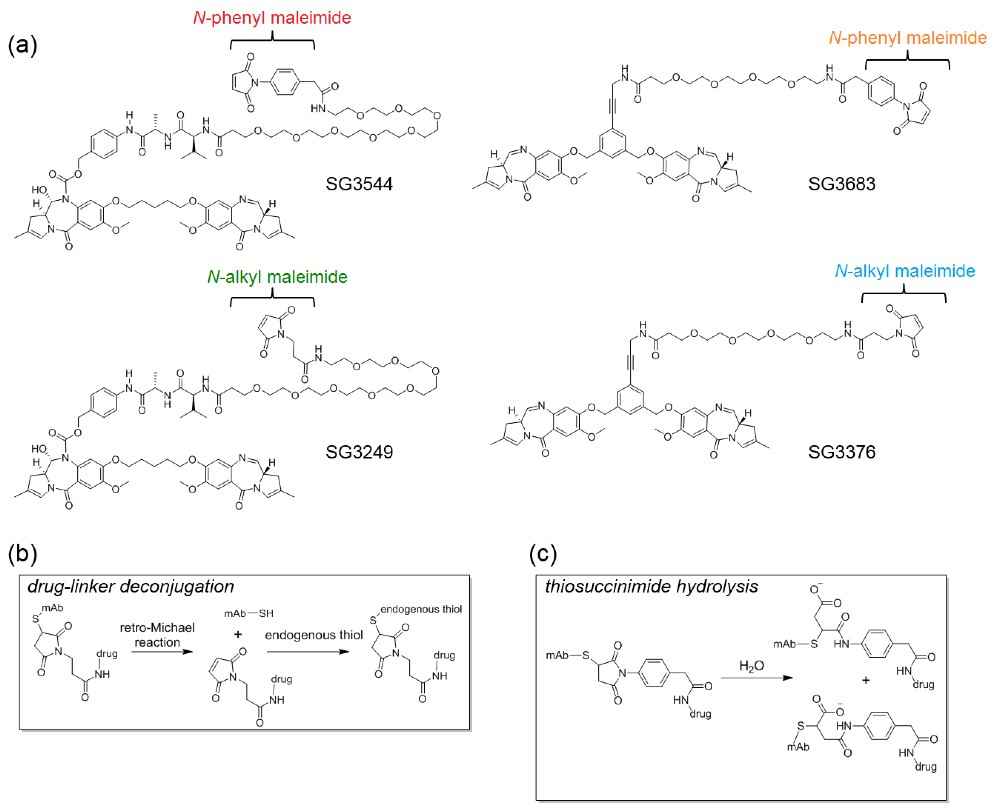
The compound class known as pyrrolobenzodiazepines (PBDs) consists of multiple heterocyclic structures formed from pyrrole rings together with benzene rings and diazepine rings. Pyrrolobenzodiazepines exhibit their therapeutic potential by binding to DNA and triggering alkylation reactions which culminate in DNA structural destruction and subsequent cell death. Tumor treatment research finds Pyrrolobenzodiazepines as highly attractive. Would you like to learn about the molecular mechanism behind pyrrolobenzodiazepines? How to detect and analyze them? Creative Diagnostics offers an extensive guide for researchers who want to study pyrrolobenzodiazepines to understand and discover their drug applications.

The class of naturally occurring small molecule compounds known as Pyrrolo[2,1-c][1,4]benzodiazepines (PBD) originates from Actinomycetes and shows powerful antibacterial as well as antitumor properties. PBD compounds consist of a benzodiazepine backbone integrated with a pyrrole ring. These compounds bind tightly to DNA's minor groove and establish covalent bonds with guanine residues which stops DNA replication and transcription processes and triggers apoptotic cell death. Antibody-drug conjugates (ADCs) in current research frequently utilize PBD derivatives because of their powerful DNA targeting properties combined with high selectivity and strength. ADC drugs like Loncastuximab tesirine have reached clinical application or testing levels which signifies the important evolution of PBD compounds from antibiotic functions toward precise cancer treatment instruments.
The PBD molecule is alone too small to trigger an immune response directly but creates an antigenic complex with proteins once it binds to them covalently which leads the body to generate specific antibodies. High-sensitivity detection methods for PBD compounds and derivatives remain critical for practical applications in ADC drug development and both pharmacokinetic research and immunogenicity assessments. Constructing specific antigens using PBD structure, producing antibodies and creating an ELISA detection kit represents a practical and effective approach to fulfill these requirements.

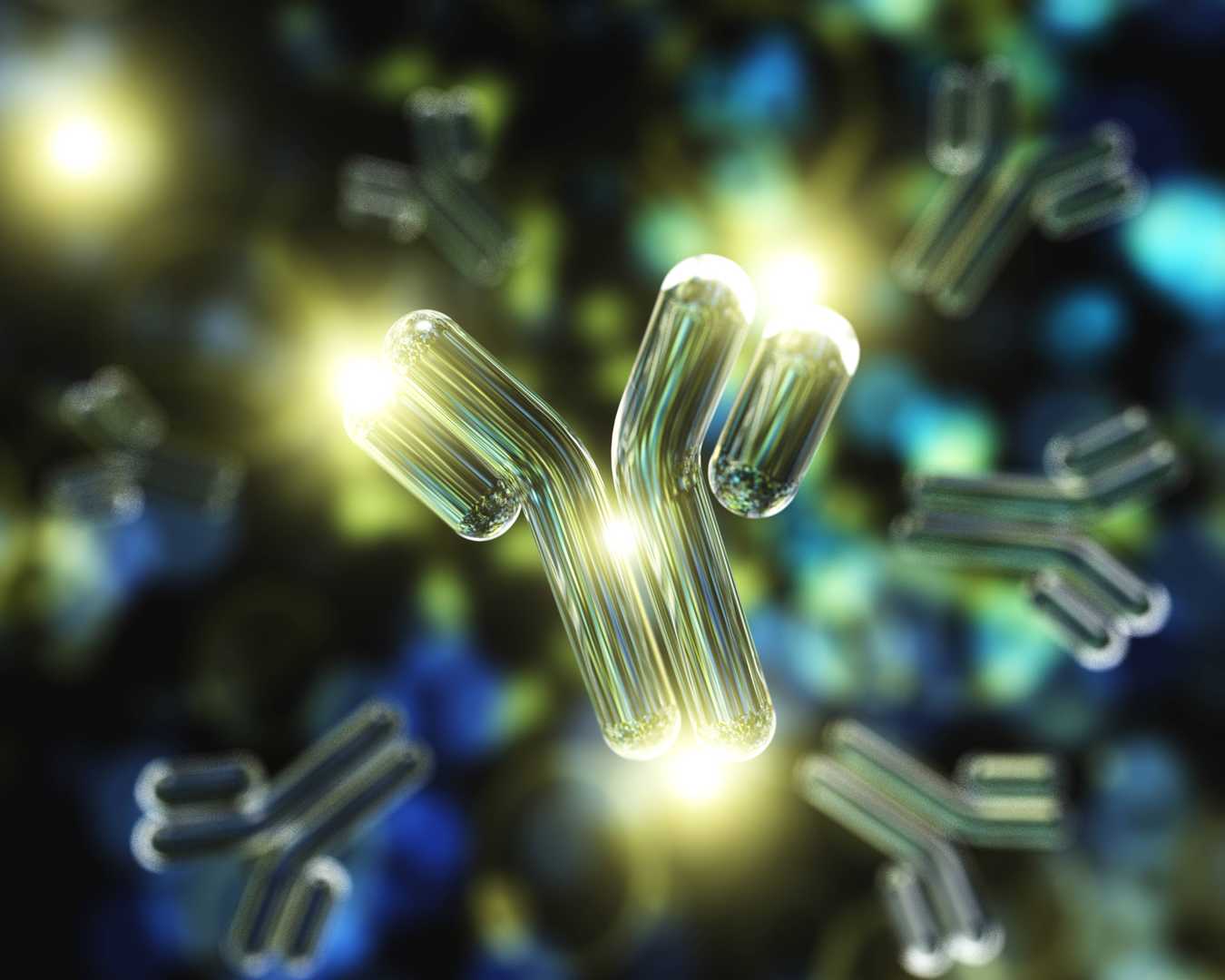
By introducing active sites (such as amino groups and carboxyl groups) on the PBD structure and covalently coupling with carrier proteins (such as bovine serum albumin BSA or keyhole limpet hemocyanin KLH), immunogens are constructed.
In order to facilitate researchers to study PBD antigens more conveniently, Creative Diagnostics provides ready-to-use PBD antigen products to accelerate your research progress.
| Target | Cat. No. | Product Name | Type | Host | Conjugate | Application | |
| PBD | DAG-WT677K | MC-Val-Ala-PBD [KLH] | Synthetic | N/A | KLH | N/A | Inquiry |
| PBD | DAG-WT677B | MC-Val-Ala-PBD [BSA] | Synthetic | N/A | BSA | N/A | Inquiry |
| PBD | DAG-WZ1008 | PBD SG3199[BSA] | Synthetic | BSA | ELISA, LFIA | Inquiry |
Use traditional animal immunization technology (mouse or rabbit) to prepare polyclonal or monoclonal antibodies. Screen high affinity and high specificity antibodies through ELISA, and further purify and verify them.
If you lack the experimental conditions for preparing polyclonal or monoclonal antibodies, we also provide commercial PBD antibodies to meet your research needs.
| Target | Cat. No. | Product Name | Host | Application | |
| PBD SG3199 | CABT-L3117 | Mouse Anti-PBD SG3199 monoclonal antibody, clone 8I7I0B7 | Mouse | ELISA | Inquiry |
| PBD SG3199 | CABT-L3116 | Rabbit Anti-PBD SG3199 polyclonal antibody | Rabbit | ELISA | Inquiry |
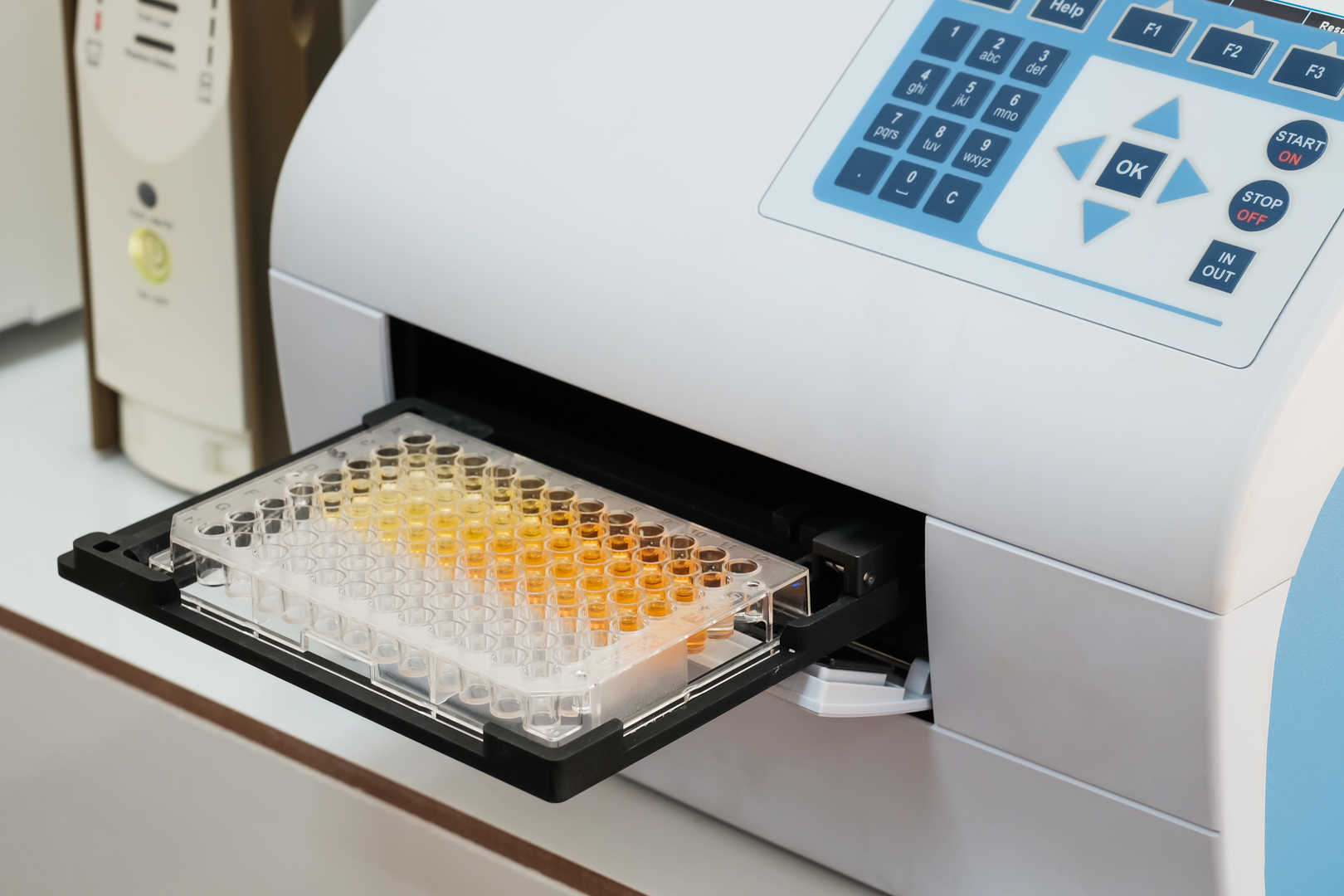
Based on the molecular characteristics of PBD compounds, competitive ELISA strategy is mainly used. The construction process of PBD ELISA Kits mainly includes: antibody immobilization, HRP enzyme-labeled competitive antigen design, substrate color optimization, etc.
PBDs are natural/synthetic heterocyclic compounds composed of pyrrole, benzene, and diazepine rings. The mechanism in which their structure binds to the minor groove of DNA allows for accurate targeting of specific cells.
Alkylation: PBD binds to the N2 position of guanine at its C11 position through covalent bonds which leads to DNA helix distortion and blocks DNA repair enzymes.
equence specificity: PBDs show enhanced selective DNA damage because they bind preferentially to 5'-Pu-G-A-T-C-Py-3' sequences in tumor cells.
Overcoming drug resistance: PBDs permanently bind to DNA in a way that avoids the multidrug resistance protein (MDR1) efflux processes which traditional chemotherapeutics like cisplatin cannot bypass.
Critical technical hurdles in ADC applications include:
Linker stability: Prodrug designs like MC-Val-Ala-PBD enable tumor microenvironment-specific enzymatic activation.
Bystander effect control: Optimizing antibody targeting (e.g., CD19-targeted Loncastuximab tesirine) minimizes toxicity from PBDs' high membrane permeability.
Clinical-stage drugs: FDA-approved Loncastuximab tesirine (2021), with ADCT-602 (CD22-targeted) and DGN462 (ETBR-targeted) in Phase I/II trials.
Advanced detection methodologies for different scenarios:
Enhanced ELISA:
Competitive assay design using HRP-labeled PBD analogs (e.g., SG3199-BSA) achieves detection limits of 0.1 ng/mL.
Streptavidin pre-coated plates improve sensitivity.
LC-MS/MS integration: Identifies metabolites like PBD-glutathione adducts in plasma.
Immunohistochemistry: Monoclonal antibodies (e.g., clone 8I7I0B7) enable in situ visualization of ADC distribution.
Expanded utilization scenarios:
Pharmacokinetic profiling:
Total antibody analysis distinguishes bound/free drug forms for AUC and Cmax calculations.
Tissue distribution studies quantify liver/spleen accumulation via homogenate pretreatment.
ADC quality control:
Drug-antibody ratio (DAR) validation using SEC-HPLC.
Aggregate monitoring under stress conditions (e.g., freeze-thaw cycles).
Translational research:
Biomarker correlation studies (e.g., PD-L1 expression).
Resistance mechanism analysis via γ-H2AX pathway activation tracking.
Loading ......
