

Inquiry Basket
 Loading ......
Detecting pyrrolobenzodiazepine (PBD) compounds which serve as antitumor and antibacterial agents and offer neuroprotective benefits demands precise and dependable methods. Due to their structural complexity which includes fused pyrrole, benzene, and diazepine rings together with diverse functional groups proper analytical techniques must be chosen to support research as well as clinical applications for PBDs. This article examines both the strengths and weaknesses of prevalent PBD detection methods by analyzing their practicality and cost-effectiveness in relation to real-world requirements.
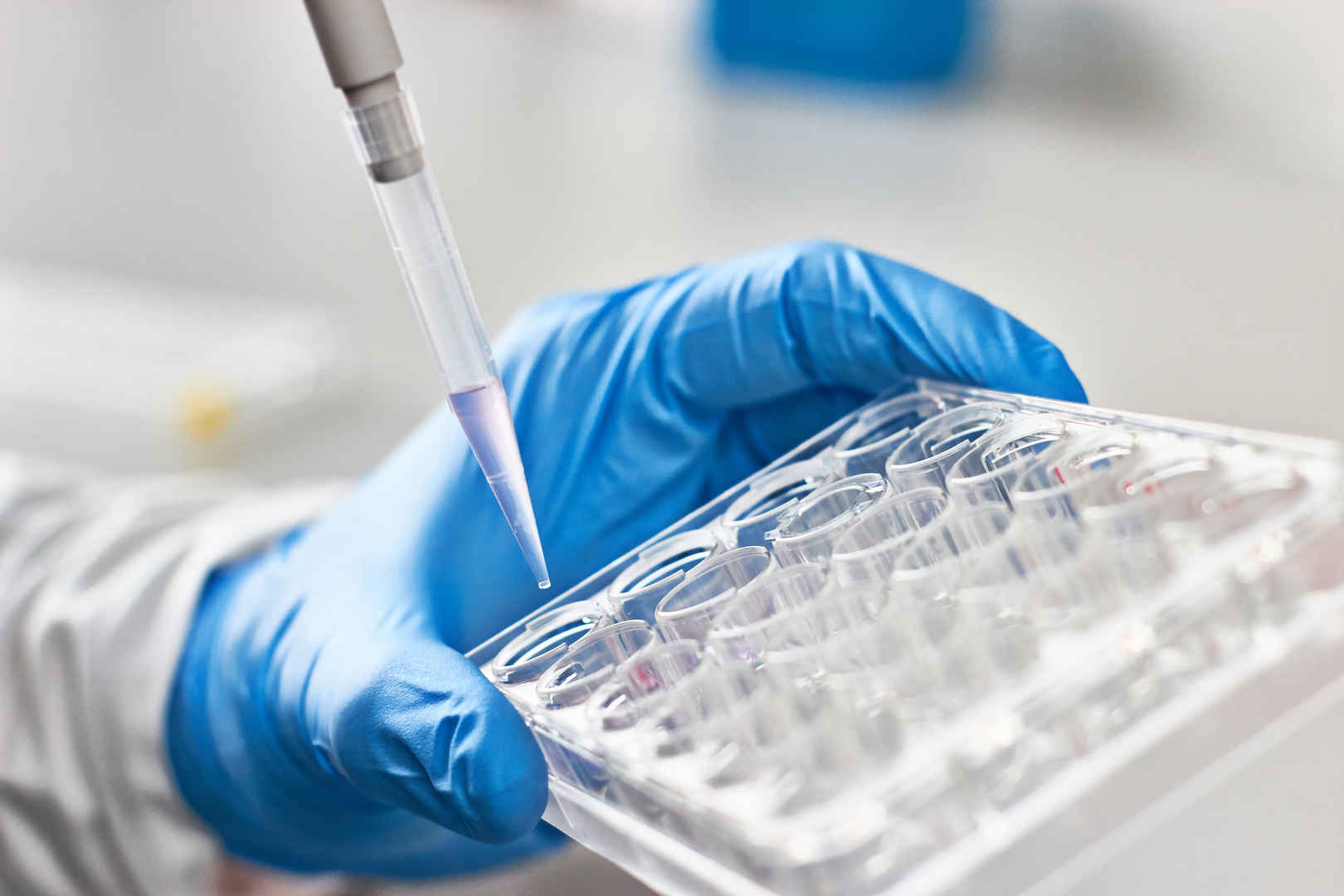
Chromatography's adaptability establishes it as the primary technique for PBD analysis. HPLC continues to be widely used because it can analyze both volatile and non-volatile substances. HPLC's ability to separate complex molecular structures such as ADCs like Tesirine (SG3249) and ADCT-601 stems from its exceptional separation performance which proves essential for thermally sensitive substances. HPLC becomes more advantageous when used with mass spectrometry (LC-MS/MS) because it supplies essential molecular weight and structural data required for drug development. HPLC's costly equipment and occasional sample derivatization needs discourage smaller labs from using it.
Gas chromatography-mass spectrometry (GC-MS) demonstrates superior performance in analyzing volatile PBD derivatives because of its quick separation times and exceptional sensitivity for detecting trace amounts. The method proves essential for forensic and environmental monitoring since volatile compounds are prevalent in these fields. The requirement to vaporize samples restricts GC-MS analysis to thermally stable and volatile PBDs only. Routine application of GC-MS instrumentation faces obstacles due to its complexity and high costs.
UV-Vis spectroscopy presents a budget-friendly choice to laboratories that value speed and simplicity during analysis of high-concentration PBD samples. The technique's universal applicability enables its use for initial evaluation processes including pharmaceutical synthesis quality control. The technique exhibits low sensitivity and vulnerability to matrix interference which leads to unreliable analysis for samples with low concentrations or complex biological compositions.
The method of fluorescence spectroscopy provides superior sensitivity which reaches detection limits of ng/mL and therefore becomes the ideal technique for examining dilute solutions such as PBD-based ADCs during pharmacokinetic assessments. This method achieves high selectivity by reducing interference from non-fluorescent substances and structural insights support qualitative analysis.
The ELISA method demonstrates superior ability to identify PBDs at picogram levels with unmatched specificity and sensitivity in biological samples like serum and tissue homogenates. Clinical trials depend on this technique for fast measurement of ADC levels and drug concentration tracking. ELISA becomes an appealing option for tight-budget environments due to inexpensive reagents and dependable reproducibility. ELISA needs stringent validation protocols because its detection mechanism may cross-react with structurally similar molecules resulting in false positives with heterophilic antibodies. The requirement for skilled personnel in multi-step protocols restricts the adoption of this method in environments with limited resources.
The latest biosensor technology offers an advanced solution for PBD detection which integrates both high accuracy and convenient portability. These devices function optimally in field settings that demand quick outcomes for point-of-care diagnostics or environmental sample analysis. The need for minimal sample preparation together with device reusability helps to lower long-term operational expenses. Biosensors struggle to maintain stability because they are highly sensitive to changes in temperature and humidity levels. The high production expenses combined with the requirement for refined bio-recognition substances (such as antibodies or enzymes) block broad usage.
Researchers must weigh these methods against their specific requirements:
Drug Development: HPLC or LC-MS/MS is optimal for structural elucidation and purity assessment during ADC synthesis.
Clinical Monitoring: ELISA or fluorescence spectroscopy balances sensitivity and cost for therapeutic drug monitoring.
Field Applications: Biosensors or portable GC-MS systems offer rapid, on-site analysis in forensic or environmental contexts.
Budget Constraints: UV-Vis or TLC provides affordable preliminary screening.
Ultimately, no single method is universally superior. A hybrid approach—combining HPLC for separation with MS for confirmation, or using ELISA alongside fluorescence for validation—often delivers the most robust outcomes.When creating PBD detection workflows clients must focus on scalability as well as regulatory compliance and operational alignment. Stakeholders who comprehend these trade-offs can enhance accuracy as well as efficiency while minimizing costs throughout research and commercial applications.
HPLC and GC-MS represent two distinct chromatographic methods which perform different functions during PBD analysis.
The superior performance of HPLC with non-volatile and thermally unstable substances makes it the perfect tool for analyzing temperature-sensitive PBD-based antibody-drug conjugates such as Tesirine (SG3249). Polar solvent compatibility and complex mixture separation capacity are essential features of HPLC for pharmacokinetic studies. HPLC demands a larger initial financial commitment and often requires derivatization when analyzing samples with low concentration levels.
GC-MS presents the best solution for analyzing volatile PBD derivatives like environmental metabolites because of its quick sample separation capabilities and exceptional sensitivity (detection limits below 1 ppb). GC-MS serves as the most suitable analytical method for detecting trace PBDs in forensic toxicology samples such as hair or urine. The technique faces limitations when analyzing large polar molecules and demands sample vaporization which risks damaging heat-sensitive PBDs.
When to Choose:
Use HPLC/LC-MS for ADC characterization or biological samples.
Opt for GC-MS if analyzing volatile PBDs in environmental/food safety contexts.
ELISA leverages antibody-antigen binding to target unique epitopes on PBDs, enabling specificity even in complex matrices like serum. For example, ADCT-601, a PBD-based ADC, can be quantified in patient blood using anti-PBD monoclonal antibodies. Its sensitivity (detection limits ~0.1–1 ng/mL) supports therapeutic drug monitoring (TDM) in cancer trials.
Limitations:
Cross-reactivity risks: Structural analogs (e.g., PBD dimers vs. monomers) may trigger false positives. Rigorous antibody validation is essential.
Operational complexity: Multi-step workflows (e.g., blocking, washing) require skilled technicians.
Batch variability: Antibody lot inconsistencies can affect reproducibility.
Solution: Pair ELISA with LC-MS confirmatory testing to mitigate false positives in critical applications.
Biosensors offer real-time, portable detection (e.g., field testing for PBD contaminants in water) with minimal sample prep. For instance, graphene-based electrochemical sensors have achieved sub-nanomolar sensitivity for PBDs like SG3249. However, they currently lag behind HPLC/GC-MS in three areas:
Stability: Enzymes or antibodies in biosensors degrade under temperature fluctuations.
Multiplexing: Most sensors detect only one analyte, whereas HPLC-MS can profile multiple PBDs simultaneously.
Validation: Limited regulatory acceptance for clinical use.
Future Needs:
Integration with AI-driven calibration to enhance accuracy.
Development of multi-analyte biosensor arrays for complex samples.
Fluorescence spectroscopy detects PBDs at 100–1,000× lower concentrations (e.g., ng/mL vs. µg/mL for UV-Vis) due to its reliance on emitted light rather than absorbance. This is critical for quantifying PBD payloads in ADCs during early-stage trials. For example, fluorescence assays using SYBR Gold dye can measure DNA-PBD cross-linking efficiency in nanoliter-scale samples.
UV-Vis Drawbacks:
Limited sensitivity for low-abundance PBDs in biological fluids.
Interference from co-eluting compounds (e.g., proteins or lipids).
Best Practice: Combine fluorescence with HPLC purification to isolate PBDs from matrix effects.
PBD dimers, used in ADCs for their enhanced DNA cross-linking, pose three detection challenges:
Structural complexity: Dimers have larger molecular weights (~1,500 Da) and multiple functional groups, complicating chromatographic separation.
Low abundance: Payloads constitute<5% of ADC mass, requiring ultra-sensitive methods.
Stability issues: Dimers may hydrolyze during sample prep.
Solutions:
LC-MS/MS with MRM: Targets specific fragment ions (e.g., m/z 765→568 for Tesirine) for precise quantification.
Stabilized extraction buffers: Use protease inhibitors and low-temperature processing to prevent degradation.
Orthogonal testing: Validate results with both ELISA (for specificity) and fluorescence (for activity).
References
| Target | Cat. No. | Product Name | Host | Application | |
| PBD SG3199 | CABT-L3117 | Mouse Anti-PBD SG3199 monoclonal antibody, clone 8I7I0B7 | Mouse | ELISA | Inquiry |
| PBD SG3199 | CABT-L3116 | Rabbit Anti-PBD SG3199 polyclonal antibody | Rabbit | ELISA | Inquiry |
| Target | Cat. No. | Product Name | Type | Host | Conjugate | Application | |
| PBD | DAG-WT677K | MC-Val-Ala-PBD [KLH] | Synthetic | N/A | KLH | N/A | Inquiry |
| PBD | DAG-WT677B | MC-Val-Ala-PBD [BSA] | Synthetic | N/A | BSA | N/A | Inquiry |
| PBD | DAG-WZ1008 | PBD SG3199[BSA] | Synthetic | BSA | ELISA, LFIA | Inquiry |
Loading ......
