
Inquiry Basket
 Loading ......
Diabetes mellitus is among the leading health problems of the 21st century, with a total of 537 million adults currently affected by the disease. The proper treatment of diabetes is based on its exact diagnosis and subsequent long-term monitoring, and ELISA has proven to be one of the most indispensable and widely used technologies in modern diabetes testing and screening. A wide range of diabetes specific ELISA kits, with excellent performance and reliability, can be used to accurately quantify a variety of biomarkers required for type 1 and type 2 diabetes research.
| Type of ELISA Kit | Descriptions |
| Insulin and C-peptide ELISA kit | Insulin is a hormone that can help lower the blood glucose level, because it will lead to the uptake of glucose. The pancreatic beta cells secrete insulin and blood insulin may be an indicator of beta cells function. By contrast to type 1 diabetes, pancreatic beta cells will be destroyed by immune cells, and hence the insulin in blood will be scarce or undetectable. Type 2 diabetes has insulin resistance but the pancreas cannot make enough insulin for maintenance. But even the role played by the beta cells can be compromised with time. |
| Glucose regulated protein ELISA kit | Glucose-regulated proteins (GRP) are a family of proteins synthesized by the cell in response to stress. They are implicated in the control of several cellular pathways such as those of response to glucose levels. ELISA kits to measure GRPs Researchers may use these kits to research the cause of diabetes. It might also serve as a prognosis marker for the risk of getting diabetes complications like nephropathy, retinopathy. |
| Autoantibody ELISA Kits | In the case of type 1 diabetes, the immune system can create antibodies that destroy pancreatic beta cells. The presence of certain autoantibodies may indicate the beginning of this autoimmune process. Detection of autoantibodies is crucial for early diagnosis, especially in children and young persons with type 1 diabetes. |
| Adipokine ELISA Kits | Adipose factors are cytokines produced by adipose tissue that can affect metabolism, inflammation and insulin sensitivity. Adiponectin, leptin and resistin are adipokines related with diabetes. ELISA kits for these adipokines can help to examine the relationship between obesity, inflammation and diabetes. They may further be employed to investigate the pathophysiology of type 2 diabetes, and to identify novel drug targets. |
To keep the body's physiological state normal, resist the invasion of pathogenic microorganisms and prevent the development of tumors, many cells in the body, especially immune cells, synthesize and secrete various trace peptide factors. They are involved in cell-cell information transmission, regulation of cellular physiological processes, improvement of body immunity, and can also induce pathological processes such as fever, inflammation, shock, etc. in abnormal conditions. There are more than a hundred types of cytokines that have been discovered. They are collectively referred to as cytokines, such as lymphokines secreted by lymphocytes and monocytes, and various growth factors. Many cytokines are named according to their functions, such as interleukin (IL), interferon (IFN), colony-stimulating factor (CSF), tumor necrosis factor (TNF), and erythropoietin (EPO).

Clinical Diagnosis: In the clinical setting, ELISA kits are used extensively in the diagnosis of diabetes. Autoantibody testing is a very useful diagnostic tool, as it can help to distinguish between type 1 and type 2 diabetes which is important for establishing the most appropriate course of treatment. Insulin and C - peptide levels can also be helpful in diagnosing diabetes, especially in the cases of unclear clinical presentation.

Disease Monitoring: After a patient is diagnosed with diabetes, it is important to monitor the progress of the disease and treatment effectiveness. ELISA kits can be used for this purpose to help keep track of the disease state and any changes. Regular measurement of blood glucose - related biomarkers, insulin levels, and adipokines can provide insights into how well the patient's blood glucose is controlled, whether the treatment is having the desired effect on insulin sensitivity.
Glucagon like peptide-1 (GLP-1), as an incretin hormone, has an important insulin promoting effect and plays an important role in the regulation of glucose homeostasis. It shows strong potential in the research field of obesity, diabetes and related diseases. Based on the principle of enzyme-linked immunosorbent assay (ELISA), the glucagon like peptide-1 (GLP-1) detection kit has a certain sensitivity and specificity. It can quantitatively detect the concentration level of GLP-1 in individuals in vitro and be used as an auxiliary tool in the research of obesity, diabetes and other related diseases.
Glucagon like peptide-1 (GLP-1) is a key insulinotropic hormone of intestinal origin released postprandially that endogenously stimulates insulin secretion from pancreatic β cells and suppresses glucagon secretion to regulate glucose homeostasis and energy balance. It has been found in some studies that GLP-1 insulin secretogenic effect has high importance in the research of obesity and diabetes, thus, the GLP-1 test kit can also be a good auxiliary tool in the relevant research.
 Figure 1. Glucagon-like peptide 1 in health and disease. (Andersen, Andreas, et al, 2018)
Glucose homeostasis is very crucial for human health, the disorders of glucose homeostasis can cause a variety of related diseases. Diabetes is a typical disease that breaks the glucose homeostasis status. Hyperglycemia causes discords (nephropathy, retinopathy or neuropathy) increases the risk of heart disease (atherosclerosis); hypoglycemia reduce the brain blood supply that damage brain function. Glucagon like peptide-1 (GLP-1) plays an important role in glucose homeostasis. Alongside its insulinotropic effect, the GLP-1 stimulates pancreatic isletsapart from inflammation, gastric response to the ingestion of nutrients has been suggested as the primary mechanism of reducing blood sugar after the administration of the GLP-1. GLP-1 can influence glucose homeostasis not only by decreasing glucagon and slowing gastric emptying.
| ELISA Kit | Application |
| Liraglutide High Sensitivity Elisa Kit | The kit is a competitive inhibition enzyme immunoassay method for in vitro quantitative determination of liraglutide in serum, plasma. Liraglutide is a GLP-1 receptor agonist, and is commonly employed in the therapy of diabetes. This high-sensitivity kit is ideal for high through-put screening to detect low levels of Liraglutide in clinical or laboratory applications.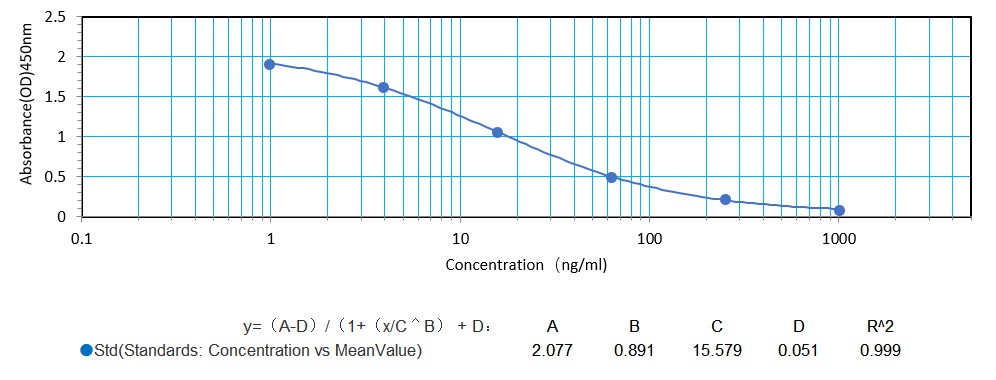 |
| Semaglutide ELISA Kit | Semaglutide is a GLP-1 receptor agonist indicated for the treatment of type 2 diabetes. The kit can measure the concentration of Semaglutide and is applicable to drug monitoring or research.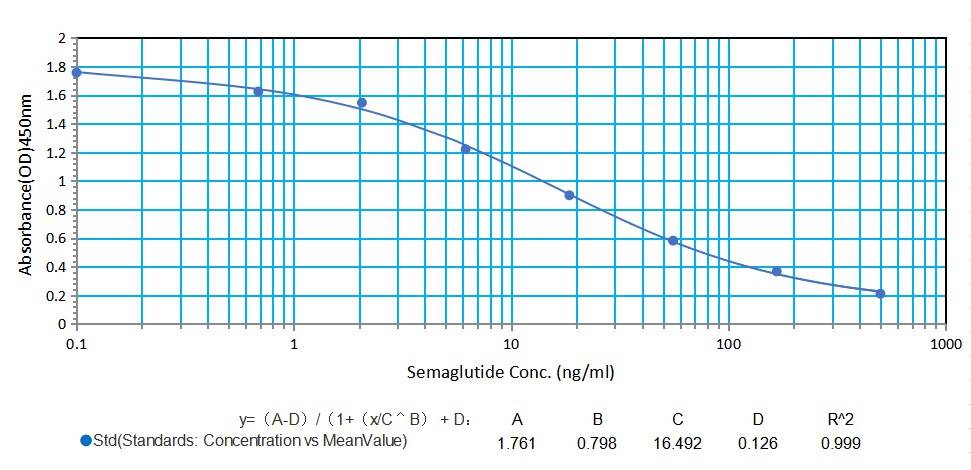 |
| Exendin-4 ADA ELISA kit | Exendin-4 is a GLP-1 analog used for the treatment of diabetes. This kit detects drug-resistant antibodies (ADA), which helps evaluate immunogenicity.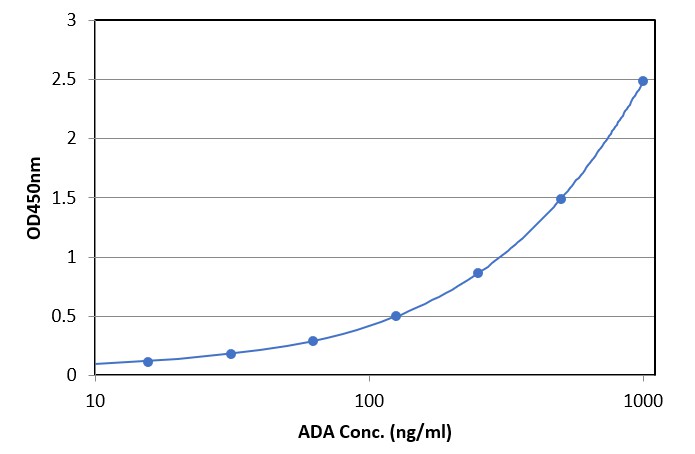 |
Accurate diabetes ELISA kits in one convenient place can help meet the complexity of diabetes diagnosis and treatment by offering end-to-end solutions for researchers and clinicians. The diabetes detection ELISA kits support the full spectrum of diabetes studies, including disease mechanism research for basic research and precision medical application. These highly sensitive and powerful tools help generate accurate data to improve the worldwide standard of diabetes care. Please get in touch with our diabetes assay experts for more information on product specifications, pricing, or to discuss your diabetes testing needs. We are here to support your work by providing expert guidance, innovative solutions, and unmatched technical support.
Reference
Loading ......
