
Inquiry Basket
 Loading ......
Echovirus is an RNA virus belonging to the enterovirus type B, enterovirus genus, and small ribonucleic acid virus family. It is only infectious to humans and mostly occurs in summer and autumn, with the vast majority being latent infections. The ECHO virus is divided into more than 30 types (types 1-34, of which types 8, 10, 28, and 34 have been classified as other viruses). The pathogenicity and pathogenic types of each type are also different. For example, ECHO6 and 19 have stronger pathogenicity, similar to Coxsackievirus B causing acute chest pain and cardiomyopathy.
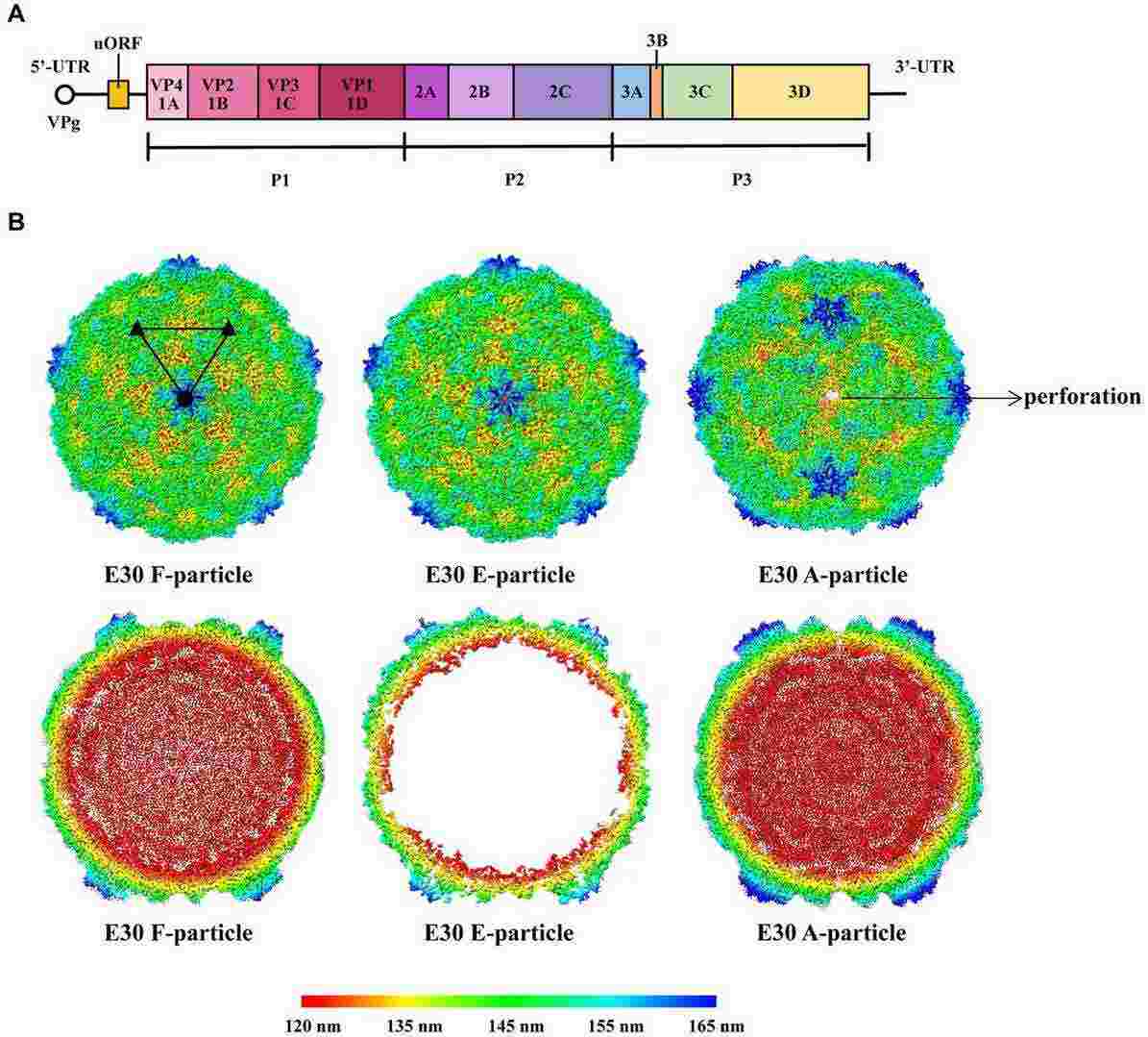 Figure 1. Echovirus.( Liang, Yucai, et al. 2023)
The virus is mainly transmitted through the oral fecal route, and can also be transmitted through the respiratory tract through the secretion of the throat. The virus enters the human body and proliferates in the throat and intestinal mucosal cells, invading the bloodstream and forming viremia. Ecovirus has a very high infectivity and can infect almost all cells in the body.
The Ecovirus first initiates infection by recognizing specific receptors on the surface of host cells, with core targets including:
The integrin family, such as αVβ3, αVβ6, and α5β1 integrins, is widely expressed on the surfaces of epithelial cells, endothelial cells, and immune cells. When the viral capsid protein VP1 binds to integrins, it can induce changes in cell membrane conformation, creating conditions for viral endocytosis.
Members of the immunoglobulin superfamily, such as CD55 (decay accelerating factor) and CD106 (vascular cell adhesion molecule-1), whereCD55 is a key receptor for multiple serotypes of enterovirus. Its extracellular domain binds to the antigenic sites of virus VP2 and VP3 proteins, mediating virus adsorption and initiating endocytic signaling;
Interferon signaling pathway targets: Virus 3Cpro can cleave interferon regulatory factors 3 (IRF3) and IRF7, inhibiting the production of type I interferon (IFN - α/β); Simultaneously degrading STAT1 protein, blocking the activation of downstream antiviral genes of interferon, and weakening the host's natural immune response
When infected with enterovirus, the clinical manifestations are extremely diverse, and the severity of the condition varies greatly. Different types of viruses have different clinical manifestations, and different types of viruses may have similar symptoms. Therefore, it is difficult to determine the type based solely on clinical manifestations. Often multiple manifestations coexist.
| Clinical Manifestations | Details |
Neurological Infection  | Meningeal encephalitis is generally believed to be caused by these two viruses, which can lead to encephalitis and aseptic meningitis syndrome. Generally, the onset is acute, with fever present, varying in severity, with mild cases being more common. Mild cases may have no clinical manifestations or signs of meningitis, and only abnormal cerebrospinal fluid examination is detected. Common symptoms and signs include nausea, vomiting, headache, and meningeal irritation. Simultaneously accompanied by non-specific symptoms such as sore throat, abdominal pain, and diarrhea. |
Heart Disease | Two viruses can cause myocardial pericarditis, with fewer cases of invasion of the endocardium. Newborn diseases can be caused by fetal infections, with severe symptoms and poor prognosis, and may lead to sudden death or chronic congestive heart failure. The severity of myocardial pericarditis varies greatly. Mild cases only have changes in electrocardiogram, while severe cases may present with pale complexion, cyanosis, cough, difficulty breathing, increased heart rate, various heart rhythm abnormalities, enlarged heart, dull heart sounds, audible murmurs (apical systole), pulmonary rales, and enlarged liver. |
Mainly relying on virus culture and serological testing. Specific operation of virus culture: Inoculate patient's blood, cerebrospinal fluid, herpes solution, pleural and pericardial effusion, etc. into monkey kidney cells or human embryonic lung cells for culture. Serological examination: After infection with the enterovirus, specific antibodies can be detected in the patient's serum through serological examination. Generally, recovery and acute phase serum antibodies are detected.
| Clinical Examination | Details |
| Virus Isolation and Identification | Generally, nasopharyngeal lavage fluid or nasopharyngeal swab specimens are used to inoculate susceptible primary monkey kidney cells, primary human embryonic kidney cells, or human amniotic membrane cells for culture. |
| Rapid Pathogen Diagnosis | The secretion of the patient's nasopharynx can be made into a smear, and the virus specific antigen in the exfoliated epithelial cells can be detected using fluorescent antibodies against type 1-3 parainfluenza virus. In addition, PCR (polymerase chain reaction) method is used to detect various types of parainfluenza virus nucleic acids, which is rapid and sensitive. |
| Serological Examination | The neutralization test, complement binding test, and hemagglutination inhibition test are used to detect serum specific IgG (immunoglobulin G) antibodies. The double serum antibody titers in the acute and recovery phases increase by more than 4 times, which has diagnostic value. |
1. Symptomatic treatment
Clinical treatment mainly focuses on symptomatic treatment. During the acute phase, it is advisable to strengthen nursing care, pay attention to rest, and maintain appropriate eating and hydration. Diarrhea sufferers should correct dehydration and acidosis. Acute myocarditis with heart failure should rapidly develop jaundice.
2. Antiviral therapy
Severe patients may consider using nucleoside antiviral drugs such as interferon and ribavirin. There are various neutralizing antibodies against enteroviruses present in immunoglobulin. Injecting blood immunoglobulin into high-risk infants after birth can reduce the incidence and alleviate the condition.
Reference
| Target | Cat. No. | Product Name | Host | Isotype | Application | |
| Echovirus | DPAB-CS24020A | Human Anti-Echovirus IgA Control Serum | Human | IgA | ELISA | Inquiry |
| DPAB-CS24020G | Human Anti-Echovirus IgG Control Serum | Human | IgG | ELISA | Inquiry | |
| DPAB-CS24020M | Human Anti-Echovirus IgM Control Serum | Human | IgM | ELISA | Inquiry | |
| DPAB-CS24021A | Human Anti-Enterovirus IgA Control Serum | Human | IgA | ELISA | Inquiry | |
| DPAB-CS24021G | Human Anti-Enterovirus IgG Control Serum | Human | IgG | ELISA | Inquiry | |
| DPAB-CS24021M | Human Anti-Enterovirus IgM Control Serum | Human | IgM | ELISA | Inquiry |
Loading ......
