
Inquiry Basket
 Loading ......
Antibodies are proteins produced by the immune system that recognize and bind to specific target molecules known as antigens. In recent years, researchers have developed a range of techniques to conjugate antibodies with other molecules, creating antibody conjugates that have a range of applications in research, diagnostics, and therapeutics.
Antibody conjugation is a method used to modify antibodies by attaching a specific tag to them, also known as labeling. This process produces labeled antibodies that can be used to isolate and purify a protein of interest from complex mixtures such as cells, tissues, or whole organisms. The technique is commonly used in research and diagnostic applications. The most common types of molecules conjugated to antibodies include fluorophores, enzymes, and biotin (Table 1).
Table 1. Immunoassay techniques and associated labels.
| Immunoassay technique | Label |
| Immunohistochemistry | Enzymes (horseradish peroxidase (HRP) or alkaline phosphatase (AP), biotin |
| Flow cytometry | Phycoerythrin (PE), Allophycocyanin (APC), or tandem dyes, and Alexa Fluor® |
| Immunocytochemistry and immunofluorescence | Fluorophores |
| Western blot | Enzymes (HRP or AP), fluorescent dyes |
| ELISA | Enzymes (HRP or AP), biotin |
Fluorophore-conjugated antibodies provide an excellent choice when multiplexed detection of multiple targets in the same sample is required. Various fluorescent markers, such as the AF series, Cy series, and FITC, offer researchers a lot of choices and are therefore widely used in experiments such as immunofluorescence staining (IF). When selecting fluorescent markers, the characteristics of laboratory equipment and protein abundance need to be taken into consideration to ensure that the brightest markers and proteins with the lowest expression levels are combined with each other.
Enzyme-conjugated antibodies are used in a range of assays, including ELISA and protein blotting, to detect specific molecules in a sample. HRP is the enzyme label of choice, and is stable and catalytically efficient, effectively amplifying signals from low to medium abundance targets. This method is suitable for most assays. Another type of labeling is AP, which catalyzes the dephosphorylation of phosphate substrates for detection. Compared to HRP, the AP labeling process has a greater loss of enzyme activity, lower stability, and longer reaction time, so it has higher requirements for preparation and detection operations.
Biotin labeling is rarely used independently because it cannot directly release signals, but it often appears in various immunological experiments. Biotin forms large complexes with avidin or streptavidin for signal amplification. In immunohistochemistry or ELISA, biotin secondary antibodies can easily detect low-expressed proteins due to multiple biotin molecules conjugated to the secondary antibody.
Antibodies can be modified through various bioconjugation techniques, and lysine-based conjugation is popular. There are different methods available for lysine-based conjugation, including the NHS (Succinimidyl) ester method, isothiocyanate method, carbodiimide method, and periodate method.
The NHS ester method is commonly used for conjugating antibodies with fluorescent dyes, such as rhodamine derivatives. The isothiocyanate method is used for making fluorescein isothiocyanate (FITC), which is popular in the preparation of fluorescent proteins and antibodies. The carbodiimide method is versatile and can be applied to label antibodies with inert materials such as magnetic or gold particles. The periodate method is useful for producing specific HRP-antibody conjugates. However, some of these methods have limitations, such as the instability of esters and the low efficiency of isothiocyanate labeling.
Antibody-drug conjugates (ADCs) are a novel class of targeted therapeutics that combine the specificity of monoclonal antibodies with the cytotoxic properties of small-molecule drugs. ADCs are composed of three components: a monoclonal antibody, a linker, and a cytotoxic agent. The mechanism of action of ADCs involves the specific binding of the monoclonal antibody to the target antigen on the cancer cell surface. Once the ADC binds to the cell, it is internalized by endocytosis, and the linker releases the cytotoxic agent into the cell. The cytotoxic agent causes the disruption of critical cellular processes, such as DNA replication or protein synthesis, leading to cell death.
Browse Bioanalysis of Antibody Drug Conjugates
Anti-MMAE (Monomethyl auristatin E) Antibodies and MMAE Conjugates
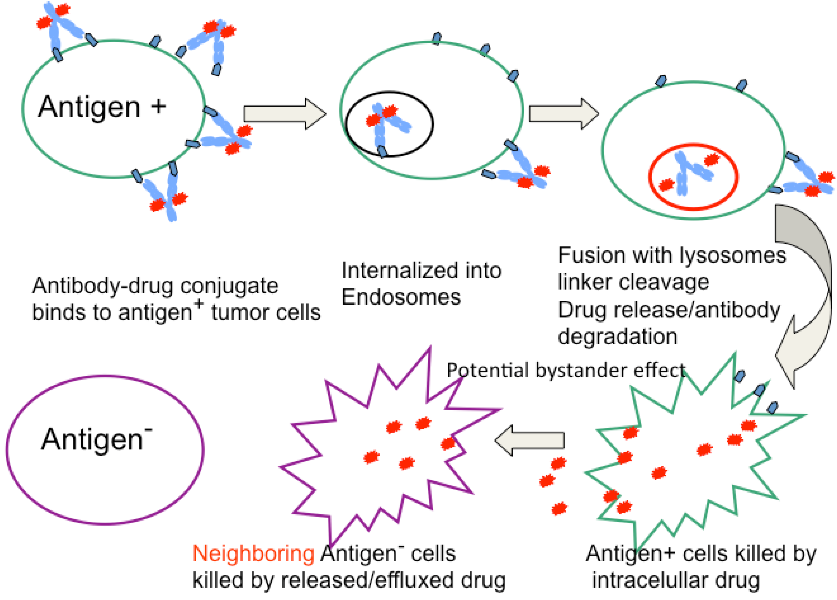 Fig. 1 Mechanism of ADC activity. (Trail P A, 2013)
ADCs have several advantages over traditional chemotherapy, including increased specificity and reduced toxicity to healthy cells. The development of ADC is closely dependent on the discovery of new targets, the optimization of antibody modification technology, the development of small molecule toxins, and the improvement of conjugation technologies. Evolution always aims to expand the therapeutic window, especially the improvement of safety. Currently, ADCs have demonstrated significant clinical efficacy in the treatment of various cancers, including breast cancer, lymphoma, and leukemia.
Antibody conjugates are powerful tools for research, diagnostics, and therapeutics. The ability to conjugate antibodies with other molecules has opened up new avenues for targeted drug delivery and imaging and has enabled researchers to study complex biological systems with increased precision. With the development of ADCs, we are entering a new era of targeted therapeutics, where cancer treatments can be tailored to the specific molecular characteristics of individual tumors. Creative Diagnostics provides a wide range of antibody conjugation kits and custom conjugation services to meet the needs of researchers and companies in biomedical research and drug development.
Whether you are looking to label antibodies with fluorophores for imaging, conjugate enzymes for assays, or develop a new ADC for cancer treatment, Creative Diagnostics has the expertise and resources to help you achieve your goals. With our high-quality products and excellent customer service, we are a trusted partner for scientists and researchers around the world.
Reference
Loading ......
