
 COA
COA

Inquiry Basket
 Loading ......
 Publication ()
Elevated NET, Calprotectin, and Neopterin Levels Discriminate between Disease Activity in COVID-19, as Evidenced by Need for Hospitalization among Patients in Northern Italy
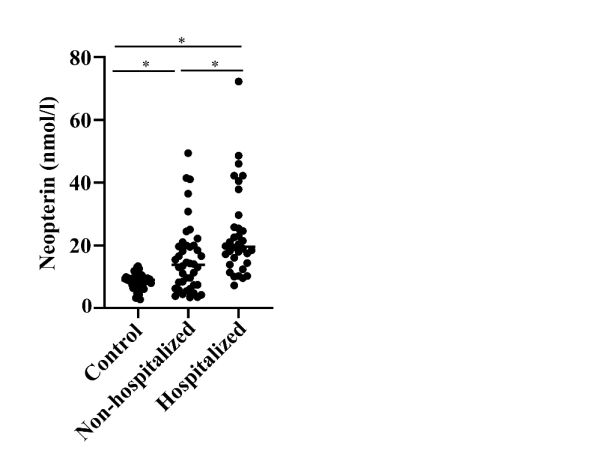 Figure 1. Neopterin levels in COVID-19 patient
 Neopterin-Imprinted Columns for Selective Neopterin Recognition fromSerum and Urine Samples
Selective and sensitive determination of neopterin in biological fluids using magnetic silica-supported molecularly-imprinted polymers
 Figure 1. Recovery of NPT in spiked serum and CSF samples after being separated from MIP-MS (n =3).
 Neopterin, a pteridine molecule, is synthesized by immune cells like macrophages and dendritic cells when stimulated by interferon-gamma (IFN-γ). IFN-γ activates GTP cyclo-hydrolase, which breaks down GTP into 7,8-dihydro-neopterin triphosphate. Phosphatases then convert this intermediate into neopterin. Unlike other organisms, humans lack an enzyme called PTPS, which converts 7,8-dihydro-neopterin triphosphate into 5,6,7,8-tetrahydrobiopterin. Consequently, in humans, the intermediate is solely converted into neopterin. Additionally, IFN-gamma stimulates the activation of the Indoleamine (2, 3)-dioxygenase (IDO) enzyme, leading to the degradation of tryptophan into kynurenine. Hence, there is a direct relationship between increased neopterin levels and the degradation of tryptophan.
 Figure 1. Biosynthesis of neopterin.
(Source: Hailemichael, W. et al., 2021)
Due to their low molecular weight, neopterin molecules quickly pass through the bloodstream and are excreted in urine after filtration by the kidneys. The half-life of neopterin is primarily influenced by renal excretion. As a result, neopterin values provide a comprehensive reflection of immune activity involving monocytes, macrophages, and dendritic cells, making it a valuable general marker of immune activity. This unique characteristic of neopterin represents various interactions of immune cells forms the basis for its exceptional status in immunological diagnosis.
Neopterin levels have been found to correlate with the activation status of the immune system. Increased neopterin concentrations are observed in various pathological conditions associated with immune activation, including infections, autoimmune diseases, organ transplant rejection, and certain malignancies. Consequently, neopterin has emerged as a potential biomarker for monitoring disease activity, predicting prognosis, and assessing treatment response in these conditions. In addition to its diagnostic potential, neopterin has also been implicated in the modulation of immune responses. It is involved in the regulation of T-cell function, the induction of oxidative stress, and interactions with other molecules related to immune activation. These multifaceted roles suggest that neopterin may play a broader role in the pathophysiology of immune-mediated diseases.
Neopterin ELISA
References
Creative Diagnostics products are for RESEARCH USE ONLY, please make sure your review is research based.
Required fields are marked with *
Neopterin measurement in clinical diagnosis
Journal of clinical pharmacy and therapeutics
Authors: Berdowska A, Zwirska‐Korczala K.
Neopterin as a Marker for Immune System Activation
Current Drug Metabolism
Authors: Murr, C., Widner, B., Wirleitner, B., Fuchs, D.

Loading ......
