


Inquiry Basket
 Loading ......
Through recombinant DNA technology scientists alter organisms' genetic code inside laboratories to bestow new advantageous characteristics upon them. The technology combines DNA segments from multiple sources through vectors like plasmids or viruses to modify gene expression by adding or deleting genetic material. The pioneering creation of the first recombinant DNA molecules was accomplished in 1973 by scientists Paul Berg and Stanley Cohen working together with Herbert Boyer and Annie Chang. Modern biotechnology now relies fundamentally on this technology which has rapidly expanded into medicine agriculture and environmental sciences.
The fundamental process of recombinant DNA technology consists of:
Obtaining DNA fragments: Restriction enzymes are used to cut DNA to extract specific gene fragments.
↓
Connecting DNA fragments: The target gene fragment combines with vector DNA through the action of DNA ligase to form recombinant DNA molecules.
↓
Transformation of vectors: Scientists insert recombinant DNA into host cells like bacteria or yeast cells which then allows for replication and expression of the DNA material.
↓
Screening and purification: The process selects successfully transformed cells by using markers such as antibiotic resistance genes before purifying the target product.
The extensive application of recombinant DNA technology stems from its efficient operation and adaptable nature. Medical applications of recombinant DNA technology produce essential medications such as insulin and growth hormones while agricultural uses create pest-resistant genetically modified crops and environmental applications focus on bioremediation and pollution control efforts.
Recombinant DNA technology provides the essential basis for creating recombinant DNA vaccines as a novel vaccine category. Recombinant DNA vaccines differ from traditional vaccines because they use vectors such as plasmids or viruses to deliver pathogen antigen genes into host cells for antigen protein production which then stimulates the immune system. The process is as follows:
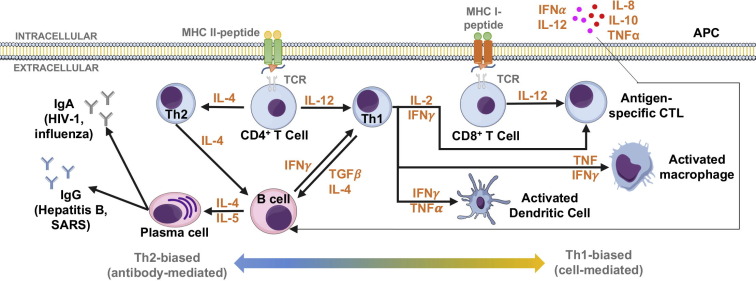 Figure 1. DNA- and amino acid-based antigen presentation. (Source: Lee J, et al. 2018)
Traditional vaccines possess fewer benefits when compared to recombinant DNA vaccines which have multiple significant advantages.
While recombinant DNA vaccines provide several advantages, they often generate weak immune responses which requires either adjuvants or repeated vaccinations to achieve effective immunity. The primary challenge to address lies in enhancing the delivery efficiency of DNA vaccines.
1. Hepatitis B Virus (HBV) Recombinant DNA Vaccine
The hepatitis B virus (HBV) acts as a global pathogen which results in millions of infections every year. Recombinant DNA vaccines use yeast or bacterial vectors to insert the HBV surface antigen gene so host cells can manufacture the HBsAg protein. The immune system identifies these proteins which activate protective responses through both humoral and cellular immunity.
The global health authorities first approved the hepatitis B vaccine after recombinant DNA technology was used to develop it. The recombinant hepatitis B vaccine has been serving as a global preventive standard against HBV infection since its introduction in the 1980s. The product offers effective safety and stability while delivering powerful protection against HBV for those with compromised immune systems.
2. Human Papillomavirus (HPV) Recombinant DNA Vaccine
The primary factor that leads to cervical cancer development is infection with human papillomavirus (HPV). Vaccines deploy a vector to transfer the HPV L1 gene into host cells where these cells generate the L1 protein which builds virus-like particles (VLPs). VLPs mimic HPV structure without possessing infectious properties which activates neutralizing antibody production by the immune system.
Two widely used recombinant DNA vaccines provide protection against multiple high-risk HPV types and substantially decrease cervical cancer rates. These vaccine successes show how recombinant DNA vaccines can protect against cancers caused by viruses.
3. Influenza Virus Recombinant DNA Vaccine
Traditional vaccine development faces challenges due to the influenza virus's high variability. Recombinant DNA vaccines work by inserting the hemagglutinin (HA) gene into a vector which leads to HA protein production in host cells. Recombinant DNA vaccines generate specific proteins which trigger the immune system to produce neutralizing antibodies that fight the influenza virus.
The production of recombinant DNA-based influenza vaccines involves the expression of the HA protein in insect cells. The new vaccine type surpasses traditional influenza vaccines because it achieves greater production efficiency and provides wider immune protection that adapts effectively to the flu virus's variability.
The new vaccine platform known as recombinant DNA vaccines merges recombinant DNA technology efficiency with vaccine preventive capabilities to provide an innovative method for infectious disease management. Antigen design optimization along with delivery system advancements and adjuvant improvements will boost both immunogenicity and safety profiles of recombinant DNA vaccines for future applications. We anticipate recombinant DNA vaccines to become crucial tools in various medical fields including cancer immunotherapy and chronic disease prevention as technological progress continues.
References
| Target | Cat. No. | Product Name | Size | Species | Application | Detection Sample | |
| H1N1 HA | DEIA533Cal | H1N1 HA ELISA development kit | 5 plates | Human | Quantitative | Serum | Inquiry |
| ABPR-ZB001 | Influenza A H1N1 (Swine Flu 2009) Hemagglutinin Antibody Pair Set | 5 Plates, 15 Plates | IAV | sELISA | Inquiry | ||
| ABPR-ZB238 | Influenza A H1N1 (A/Puerto Rico/8/1934) Hemagglutinin Antibody Pair Set | 5 Plates, 15 Plates | IAV | sELISA | Inquiry | ||
| ABPR-ZB329 | Influenza A H1N1 (A/Puerto Rico/8/1934) Hemagglutinin Antibody Pair Set | 5 Plates, 15 Plates | IAV | sELISA | Inquiry | ||
| IL2 | DEIA7619 | Canine IL-2(Interleukin 2) ELISA Kit | 2 x 96T | Canine | Quantitative | Serum, plasma, tissue homogenates and other biological fluids | Inquiry |
| DEIA8001 | Human IL-2(Interleukin 2) ELISA Kit | 96T | Human | Quantitative | Serum, plasma, tissue homogenates and other biological fluids | Inquiry | |
| DEIA1372 | IL2 Human ELISA Kit | 96T | Human | Quantitative | serum, plasma, buffered solutions, cell culture medium | Inquiry | |
| DEIA1339 | Human IL-2 ELISA Kit | 96T | Human | Quantitative | serum, plasma, cell culture supernatant | Inquiry | |
| DEIA1349 | Mouse IL-2 ELISA Kit | 96T | Mouse | Quantitative | serum, plasma, cell culture supernatant | Inquiry | |
| DEIA649 | Horse IL-2 ELISA Kit | 96T | Horse | Quantitative | cell culture supernatants | Inquiry | |
| DEIA110 | Mouse IL-2 ELISA Development Kit | 15 plates, 45 plates | Mouse | Quantitative | TBD | Inquiry | |
| DEIA121 | Human IL-2 ELISA Development Kit | 15 plates, 45 plates | Human | Quantitative | TBD | Inquiry | |
| TNF | DEIA8417 | Mouse TNF- (Tumor Necrosis Factor Alpha) ELISA Kit | 96T | Mouse | Quantitative | Serum, plasma, tissue homogenates and other biological fluids | Inquiry |
| DEIA7384 | Human High sensitive Tumor Necrosis Factor Alpha ELISA Kit | 96T | Human | Quantitative | Serum, plasma, tissue homogenates and other biological fluids | Inquiry | |
| DEIA7391 | Mouse Tumor Necrosis Factor Alpha ELISA Kit | 96T | Mouse | Quantitative | Serum, plasma, tissue homogenates and other biological fluids | Inquiry | |
| DEIA4323 | Human TNF- (Tumor Necrosis Factor Alpha) ELISA Kit | 96T | Human | Quantitative | Serum, plasma, tissue homogenates and other biological fluids. | Inquiry | |
| DEIA1176 | Rat TNF- (Tumor Necrosis Factor Alpha) ELISA Kit | 96T | Rat | Quantitative | Serum, plasma, tissue homogenates and other biological fluids. | Inquiry | |
| ERBB2 | ABPR-C001 | Human ERBB2 Matched Antibody Pair | Human | ELISA | Inquiry | ||
| DEIA-XY2240 | Human Soluble Her3/ErB3 ELISA Kit | 96T | Quantitative | serum, plasma | Inquiry | ||
| DEIA-XY2212 | Human Soluble ErbB2/Her2 ELISA Kit | 96T | Quantitative | serum, plasma | Inquiry | ||
| DEIA-XYA977 | HER2 ELISA Kit | 96T | Qualitative | cultured cells | Inquiry | ||
| DEIA245 | Human ErbB-2(Receptor tyrosine-protein kinase erbB-2) ELISA Kit | 96T | Human | Quantitative | Serum, plasma, tissue homogenates and other biological fluids | Inquiry | |
| DEIA2073 | Human HER-2 ELISA Kit | 96T | Human | Quantitative | cell culture supernatants, serum, EDTA plasma, heparin plasma, amniotic fluid | Inquiry | |
| DEIA1490 | ErbB 2 Human ELISA Kit | 96T | Human | Quantitative | cell culture supernatant, urine, serum, plasma | Inquiry | |
| DEIA7395 | Human ERBB2 ELISA Kit | 96T | Human | Quantitative | Cell culture supernatants, cell lysates, serum and plasma (heparin, EDTA). | Inquiry | |
| ABPR-ZB300 | Human Her2/ERBB2 Antibody Pair Set | 5 Plates, 15 Plates | Human | sELISA | Inquiry | ||
| CEA | DEIA-NS2307-76 | Human CEA(Carcinoembryonic Antigen) ELISA Kit | 96T | Human | Quantitative | serum, plasma, tissue homogenates and other biological fluids. | Inquiry |
| SARS-CoV-2 Spike glycoprotein | DEIASL018 | SARS-CoV-2 Spike glycoprotein ELISA Kit | 96T | Quantitative | Cell culture supernates, plasma | Inquiry | |
| DEIASL411 | SARS-CoV-2 Spike RBD ELISA Kit | 96T | Quantitative | Cell culture supernates, plasma | Inquiry | ||
| DEIASL193 | SARS-CoV-2 S1 IgG Titer ELISA Kit | 96T | Quantitative | Serum, plasma | Inquiry |
Loading ......
