
Inquiry Basket
 Loading ......
A family of signal proteins called vascular endothelial growth factor (VEGF) is released by cells and is mainly responsible for angiogenesis. Angiogenesis, vascular growth, and the preservation of vascular structural integrity are all significantly aided by VEGF. Placenta Growth Factor (PlGF), VEGF-A (also known as VEGF), VEGF-B, VEGF-C, and VEGF-D are members of the VEGF family. The most well-researched and important component in pathological angiogenesis among them is VEGF-A. The VEGF gene, which has eight exons and seven introns and is found on human chromosome 6p21.3, is subject to a very intricate regulatory system that includes several alternative splicing patterns and regulatory elements.
Several variables influence the expression of the VEGF gene, and among them is Hypoxia-Inducible Factor 1 (HIF-1), which increases VEGF expression in hypoxic environments. Other regulatory variables, such as pro-angiogenic signaling pathways, including tyrosine kinase receptors (such as VEGFR) and the PI3K/Akt signaling pathway, have a direct impact on VEGF expression and activity. Different isoforms, including VEGF-A189, VEGF-A165, and VEGF-A121, are produced when VEGF-A mRNA is alternatively spliced. These isoforms exhibit somewhat distinct activities and distributions among tissues. Additionally, the Internal Ribosome Entry Site (IRES) and upstream open reading frame (uORF) of VEGF play a role in regulating its translation process, allowing for precise control of VEGF production at both the transcription and translation levels.
 Figure 1. Human VEGF-A mRNA and its Key Regulatory Elements
(Source: Arcondéguy T, et al., 2013)
One of the most important processes for the development and spread of tumors is angiogenesis, and the primary chemical that triggers this process is VEGF. By encouraging the proliferation, migration, and lumen creation of endothelial cells, VEGF controls the development and upkeep of blood vessels under normal physiological settings. On the other hand, pathological conditions such tumors, diabetic retinopathy, and wet age-related macular degeneration result in aberrant angiogenesis due to elevated VEGF expression. These abnormal blood vessels are not only unstable physically and prone to leakage, but they may also serve as pathways for the growth and dissemination of tumor cells.
It's crucial to understand the connection between VEGF and tumor angiogenesis. In hypoxic settings, tumor cells upregulate HIF-1 expression, which triggers the expression of VEGF. Following this, VEGF attaches to its receptor VEGFR-2, triggering subsequent signaling pathways, encouraging the migration and proliferation of endothelial cells, and ultimately resulting in the creation of new blood vessels. These recently created blood arteries help tumor cells invade and spread by giving them plenty of oxygen and nutrients.
Figure 2. VEGF and Tumor Angiogenesis
(Source: Apte RS, et al., 2019)
VEGF is highly expressed in various cancers and is closely associated with tumor invasiveness, vascular density, metastasis rate, and poor prognosis. Studies have shown that the higher the level of VEGF expression, the greater the tumor vascular density, and the worse the patient's prognosis. For example, in colorectal cancer, breast cancer, non-small cell lung cancer, and renal cell carcinoma, VEGF overexpression is associated with higher tumor malignancy and metastatic potential.
VEGF expression in tumors is regulated by multiple factors, among which HIF-1 upregulation under hypoxic conditions is one of the most important inducers. In addition, cytokines released by inflammatory cells, such as Tumor Necrosis Factor (TNF) and Interleukins (IL), can also promote VEGF expression by activating relevant signaling pathways.
Interestingly, while most isoforms of VEGF-A promote angiogenesis, some isoforms, such as VEGF-A165b, exhibit anti-angiogenic activity. These anti-angiogenic isoforms inhibit VEGF's pro-angiogenic signal transduction by competitively binding to VEGFR, thereby slowing tumor growth and metastasis in certain cases.
Given VEGF's critical involvement in tumor angiogenesis, anti-angiogenic therapy that targets VEGF and its receptors has emerged as an effective cancer treatment method. Currently, various anti-VEGF medicines are in clinical trials, including Bevacizumab and Aflibercept. Bevacizumab is a monoclonal antibody against VEGF-A that prevents VEGF from attaching to its receptors, reducing tumor angiogenesis. Aflibercept is a fusion protein that binds to several members of the VEGF family, thereby reducing their function. These medications have demonstrated good success in treating a variety of malignancies, greatly increasing patient survival.
In addition, Tyrosine Kinase Inhibitors (TKIs) such as Sunitinib and Sorafenib have played major roles in anti-tumor therapy by inhibiting VEGFR tyrosine kinase activity. These medications prevent tumor development and spread by lowering tumor vascularization.
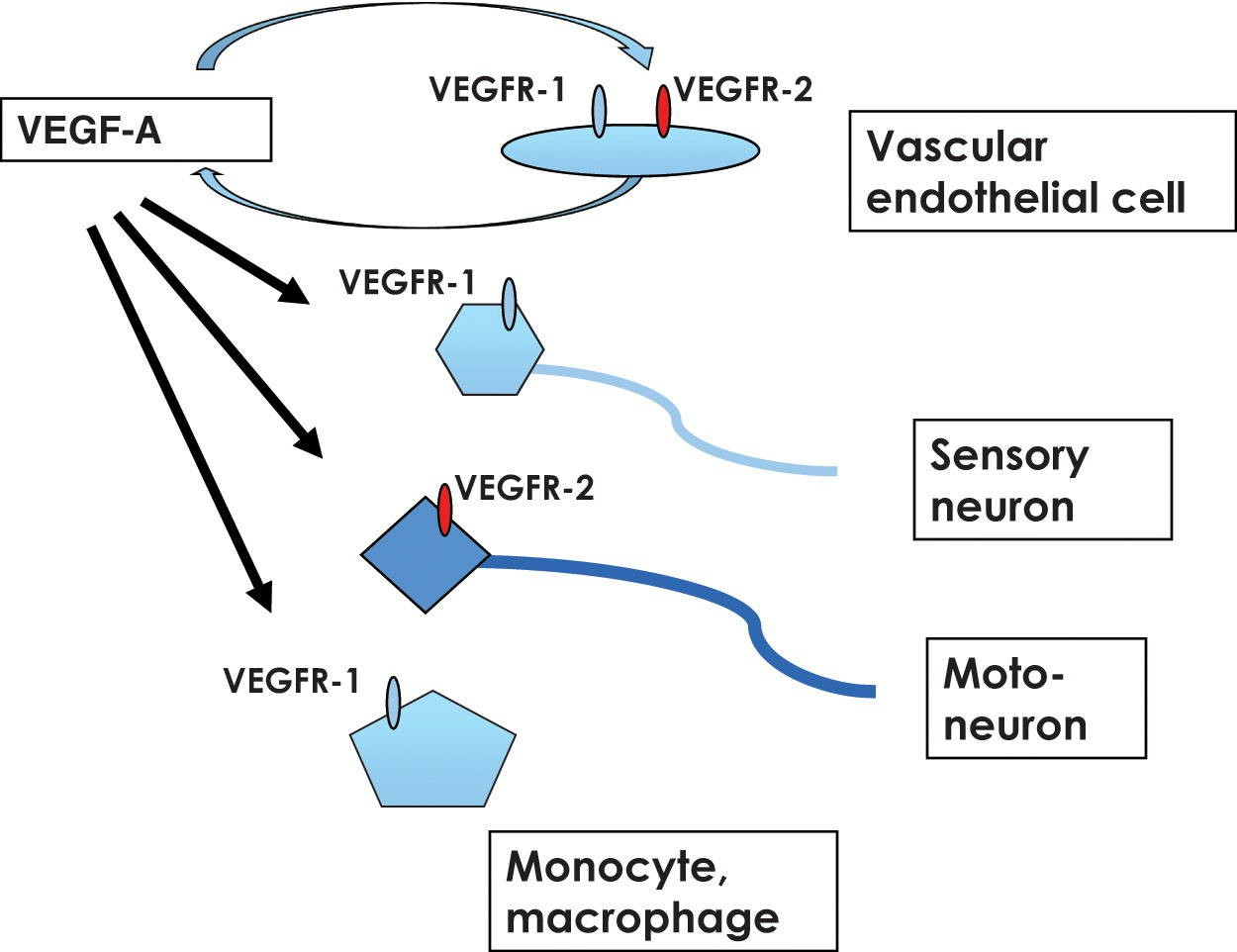 Figure 3. Pro-Angiogenic Therapy Using the VEGF-VEGFR System
(Source: Shibuya M., 2011)
Anti-VEGF therapy has proven to be a substantial treatment for cancer, although it is not without its difficulties. Firstly, not every patient benefits from anti-VEGF therapy, and others may become resistant to it while receiving it. Furthermore, chronic anti-VEGF medication use may result in certain side effects include proteinuria, thrombosis, and hypertension. Furthermore, combining single-targeted VEGF therapy with other anti-tumor medicines may be a more successful therapeutic strategy because of the heterogeneity of tumor vasculature and the numerous roles of VEGF in the tumor microenvironment.
Future study will look into how to improve the efficacy of anti-VEGF therapy, reduce side effects, and overcome resistance. Understanding the intricate regulatory mechanisms of VEGF and its signaling pathways, for example, could lead to the development of new targeted medications or combination therapies that improve treatment outcomes. Furthermore, in-depth research of anti-angiogenic VEGF isoforms, such as VEGF-A165b, may yield novel concepts and tactics for tumor therapy.
To summarize, VEGF is a major player in the angiogenesis and growth of tumors, and its use in cancer treatment has demonstrated notable clinical success. But there are other problems with anti-VEGF medication, like resistance, side effects, and uneven results. As a result, new therapy approaches and additional investigation into the VEGF regulating mechanisms will be crucial areas of focus in the field of cancer treatment in the future. It is anticipated that more cancer patients may find hope through VEGF-related medicines through ongoing research and clinical practice. To ensure the accuracy of your investigations, Creative Diagnostics provides a comprehensive selection of top-notch VEGF research supplies, such as antigens, antibodies, and assay kits. For more information, please go to the product page.
References
| Target | Cat. No. | Product Name | Size | Species Reactivity | Application | Detection Sample | |
| VEGF | DEIAZ0044 | Aflibercept ELISA Kit | 96T | Human | Quantitative | Serum, Plasma (EDTA, Heparin) | Inquiry |
| DEIAZ0045 | Anti-Aflibercept ELISA Kit | 96T | Human | Quantitative | Serum, Plasma (EDTA, Heparin) | Inquiry | |
| VEGF165 | DEIA9923 | Human VEGF165(Vascular Endothelial Growth Factor165) ELISA Kit | 96T | Human | Quantitative | Serum, plasma, tissue homogenates and other biological fluids. | Inquiry |
| ABPR-ZB111 | Human VEGF165 Antibody Pair Set | 5 Plates, 15 Plates | Human | sELISA | Inquiry | ||
| VEGF-165b | DEIA-BJ101 | Human VEGF165(Vascular Endothelial Growth Factor165) ELISA Kit | 96T | Human | Quantitative | Serum, plasma, tissue homogenates, other biological fluids | Inquiry |
| VEGFA | DEIASL635 | Porcine VEGF ELISA Kit | 96T | quantitative | serum, plasma, tissue homogenates and other biological fluids | Inquiry | |
| DEIA4844 | Human VEGF-A ELISA | 96T | Human | Quantitative | Serum, Plasma-EDTA, Plasma-Heparin, Plasma-Citrate, Cell culture supernatant | Inquiry | |
| DEIA4434 | Vegfa/Vegfb (Mouse) ELISA Kit | 96T | Mouse | Quantitative | cell lysates, serum, plasma | Inquiry | |
| DEIA1169 | Mouse VEGF(Vascular Endothelial cell Growth Factor) ELISA Kit | 96T | Mouse | Quantitative | Serum, plasma, tissue homogenates and other biological fluids | Inquiry | |
| DEIA1173 | Rat VEGF(Vascular Endothelial cell Growth Factor) ELISA Kit | 96T | Rat | Quantitative | Serum, plasma, tissue homogenates and other biological fluids | Inquiry | |
| DEIA2045 | Human VEGF ELISA Kit | 96T | Human | Quantitative | cell culture supernatants, serum, EDTA plasma, citrate plasma, heparin plasma, CSF, urine | Inquiry | |
| DEIA150 | Human VEGF ELISA Development Kit | 10 plates | Human | Quantitative | TBD | Inquiry | |
| DEIA151 | Mouse VEGF ELISA Development Kit | 45 plates | Mouse | Quantitative | TBD | Inquiry | |
| DEIA181 | Human VEGF (Vascular Endothelial Cell Growth Factor) ELISA Kit | 96T | Human | Quantitative | Serum, plasma, cell culture supernatants, urine | Inquiry | |
| DEIA196 | Mouse VEGFA(Vascular endothelial growth factor A) ELISA Kit | 96T | Mouse | Quantitative | Serum, plasma, tissue homogenates and other biological fluids | Inquiry | |
| DEIA1345 | Human VEGF ELISA Kit | 96T | Human | Quantitative | cell culture supernatants, serum, plasma | Inquiry | |
| DEIA-XYA1546 | Rat VEGF (Luminometer) ELISA Kit | 96T | Quantitative | cell lysates, serum, plasma | Inquiry | ||
| DEIA-XYA1547 | Rat VEGF (Colorimetric) ELISA Kit | 96T | Quantitative | cultured cells | Inquiry | ||
| DEIA-XYA1280 | Mouse VEGF (Luminometer) ELISA Kit | 96T | Quantitative | cell lysates, serum, plasma | Inquiry | ||
| DEIA-XYA1281 | Mouse VEGF (Colorimetric) ELISA Kit | 96T | Quantitative | cell lysates, serum, plasma | Inquiry | ||
| ABPR-ZB340 | Rat VEGF164 Antibody Pair Set | 5 Plates, 15 Plates | Rat | sELISA | Inquiry | ||
| ABPR-ZB373 | Human VEGF121 Antibody Pair Set | 5 Plates, 15 Plates | Human | sELISA | Inquiry | ||
| VEGFB | ABPR-1027 | Human VEGFB ELISA Matched Antibody Pair | ELISA | Inquiry | |||
| DEIA-BJ2631 | Mouse VEGFB(Vascular endothelial growth factor B) ELISA Kit | 96T | Mouse | Quantitative | Serum, plasma, tissue homogenates, other biological fluids | Inquiry | |
| DEIA-BJ2319 | Rat Vascular Endothelial cell Growth Factor B ELISA Kit | 96T | Quantitative | Serum, plasma, cell culture supernatants, body fluid and tissue homogenate | Inquiry | ||
| VEGFC | DEIA5901 | Rat VEGF-C ELISA KIT | 96T | Rat | Quantitative | cell culture supernatants, serum, heparin plasma | Inquiry |
| DEIA2050 | Human VEGF-C(Vascular Endothelial Growth Factor C) ELISA Kit | 96T | Human | Quantitative | serum, plasma, tissue homogenates and other biological fluids | Inquiry |
| Target | Cat. No. | Product Name | Expression System | Tag/Conjugate | Application | |
| VEGF | DAG-H10043 | D. rerio VEGF, VEGFA, VEGF165 | Insect cells | KLH | N/A | Inquiry |
| VEGF165 | DAG-WT1851 | Recombinant Human VEGF165 protein | HEK293 cells | His | ELISA, CLIA, LFIA | Inquiry |
| VEGFA | DAG-KO294 | VEGFA Knockout Cell Lysate | WB | Inquiry | ||
| DAG-WT3368 | Recombinant Human VEGF Antigen [His] | CHO cells | His | ELISA, CLIA | Inquiry | |
| DAG-WT387 | Recombinant Human VEGFA Protein [His] | HEK293 | His | Immunoassays | Inquiry | |
| DAG-WT1117 | Recombinant Human VEGFA Protein [hFc] | HEK293 cells | hFc | Immunoassays | Inquiry | |
| DAG-WT2050 | Biotinylated Recombinant Human VEGF121 Protein [His, Avi] | HEK293 cells | His, Avi | Immunoassays | Inquiry | |
| DAG-P1977 | VEGFA blocking peptide | N/A | KLH | BL | Inquiry | |
| DAG341 | Mouse VEGFA peptide | N/A | KLH | ELISA | Inquiry | |
| DAG348 | Human Vascular Endothelial Growth Factor A Polypeptid | E. coli | KLH | N/A | Inquiry | |
| DAG304 | Human Vascular Endothelial Growth Factor (aa 165) | E. coli | KLH | N/A | Inquiry | |
| VEGFC | DAG-P0012 | Human VEGFC peptide | N/A | KLH | ELISA | Inquiry |
Loading ......
