
Inquiry Basket
 Loading ......
Tick borne encephalitis virus forest encephalitis virus, also known as tick borne encephalitis virus (TBE) , is a highly virulent neurotropic virus that mainly invades the central nervous system of humans, with a high mortality and disability rate. Clinically, it is characterized by sudden high fever, meningeal irritation, headache and vomiting, sensory allergies, consciousness disorders, and neck and limb paralysis, with the majority of patients aged 20-30 years old. Tick borne encephalitis virus forest encephalitis virus circulates in ticks and wild animals in nature. As a vector of transmission, ticks are temporary parasites that inhabit the surface of various vertebrates, mostly distributed in forests, grasslands, animal dens, bird nests, and animal pens. When ticks suck on the blood of infected rodents such as gray rats, wild rats, and hedgehogs, the virus will multiply in the tick's body. When people are bitten by ticks carrying the virus, they are often infected and sick, and in severe cases, they die within hours due to coma, convulsions, and medullary paralysis.
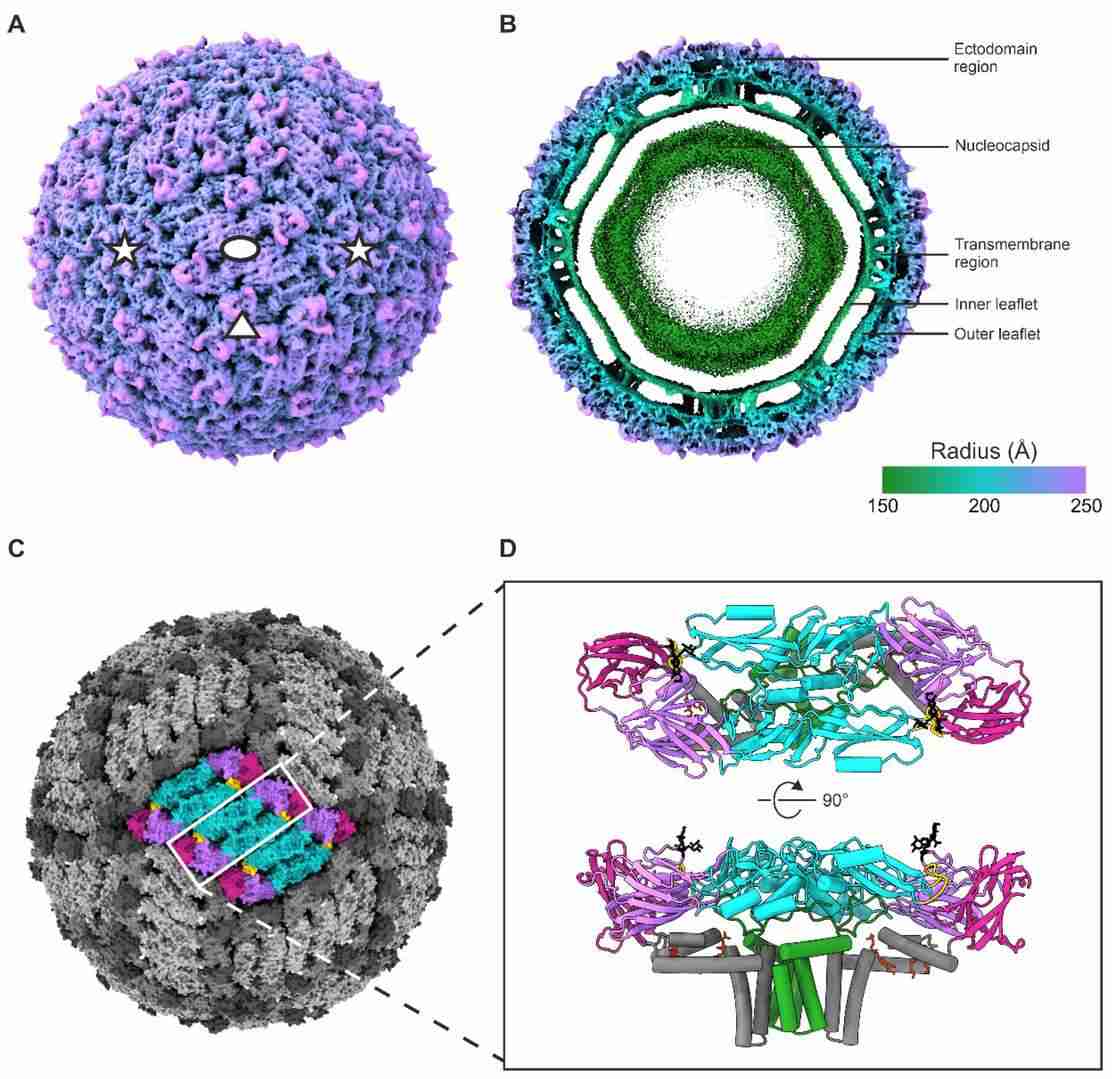 Figure 1. Molecular Organisation of Tick-Borne Encephalitis Virus.(Pulkkinen, Lauri IA, et al.2022)
The prevalence of tick borne encephalitis virus forest encephalitis has strict seasonality, with patients appearing in early May each year, reaching a peak in June, and gradually decreasing from July to August, showing a sporadic state; About 80% of cases occur between May and June, and it is also known as "spring summer encephalitis" because it is more common in spring and summer. The population of this disease is generally susceptible, but the occupational characteristics are more obvious. Forestry workers, road construction workers, and farmers and herdsmen who frequently come into contact with cattle, horses, and sheep are prone to infection and disease. After being bitten by ticks carrying the virus, most patients are asymptomatic or mild cases, with only a small portion showing typical symptoms. After infection, they can gain long-lasting immunity.
| Target Name | Type | Description / Function | Research & Therapeutic Significance |
| NRP1 | Host Receptor / Co-receptor | Neuropilin-1, a transmembrane protein expressed on neurons and endothelial cells. | Proposed as a key receptor for TBEV invasion of brain endothelial cells. Blocking NRP1 function significantly reduces infection in vitro, suggesting a role in crossing the blood-brain barrier. |
| Viral NS3 | Viral Protein | A multifunctional protein with protease, helicase, and NTPase activities. | Also a prime target for antivirals, particularly its protease function in polyprotein processing. |
| TIM-1 | Host Receptor | T-cell immunoglobulin and mucin domain protein. | Discovered as a functional receptor that binds to viral particles and promotes TBEV entry through endocytosis. TIM-1 knockout mice showed reduced viral loads and were partially protected from lethal infection |
| Viral NS5 | Viral Protein | The RNA-dependent RNA polymerase, essential for viral genome replication. | A key target for antiviral drug development due to its central role in viral replication. |
TBEV is a member of the Flavivirus genus, which includes other medically important viruses such as dengue fever, Zika virus, and West Nile virus. TBEV species are divided into three main subtypes: European subtype, Siberian subtype, and Far Eastern subtype, each with different virulence and geographical distribution. The diameter of the virus particle is about 50 nm, consisting of an icosahedral capsid surrounded by a lipid envelope. The genome is a single stranded sense RNA molecule with a length of approximately 11kb. It encodes a single polyprotein that is co translated and processed by viruses and host proteases into three structural proteins - capsid (C), precursor membrane (prM), and envelope (E) - as well as seven non structural proteins. E protein is the main surface protein that plays a crucial role in receptor binding and membrane fusion, and is the primary target for neutralizing antibodies.
TBE virus infection is usually asymptomatic, which means that the infected person has not shown any symptoms of the disease. In clinical cases, this disease is usually biphasic. After a latent period of about one week (range: 4-28 days) of contact (tick bite), non-specific symptoms may appear. These symptoms are fever, discomfort, headache, nausea, vomiting, and muscle pain that last for about 5 days. Then, after about a week without symptoms, some infected individuals may experience neurological symptoms such as meningitis, encephalitis, or meningoencephalitis. Spinal cord inflammation may or may not be accompanied by encephalitis. About one-third of patients with neurological disorders experience sequelae lasting for one year or longer. The most common long-term symptoms are headaches, lack of concentration, memory impairment, and other cognitive dysfunction symptoms.
The detection of specific IgM and IgG antibodies in the patient's serum, combined with typical clinical symptoms, is the main diagnostic method. Antibodies usually appear within six days after the onset of symptoms, and once neurological symptoms appear, they can usually be detected. IgM antibodies can be detected for up to 10 months in both vaccinated and naturally infected individuals. In more complex situations, such as after vaccination, it may be necessary to test for the presence of antibodies in the cerebrospinal fluid. Some people say that lumbar puncture should always be performed when diagnosing TBE, and polycythemia in cerebrospinal fluid should be included in the diagnostic criteria.
Prevention includes non-specific (tick bite prevention) and specific prevention through vaccination. Although tick testing can help prevent other tick borne diseases such as Lyme disease, it is not expected to be effective in preventing tick borne encephalitis as the virus spreads within minutes of tick attachment. The tick borne encephalitis vaccine is highly effective and is available in many disease endemic areas and travel clinics.
There is no specific antiviral treatment for TBE. Symptomatic brain injury requires hospitalization and supportive care based on the severity of the syndrome. In specific circumstances, the use of anti-inflammatory drugs such as corticosteroids can be considered to alleviate symptoms. Tracheal intubation and respiratory support may be required.
Tick borne encephalitis virus is an increasingly serious public health threat in many regions of Europe and Asia. It can cause serious neurological disorders, and coupled with the expansion of its tick vector, highlights the importance of continuous monitoring, public awareness, and vaccination efforts. The recent breakthroughs in identifying key host receptors such as LRP8 not only deepen our understanding of the molecular mechanisms of TBEV neural invasion, but also open up new avenues for developing targeted antiviral strategies, providing hope for future therapeutic interventions against this terrifying pathogen.
Reference
| Target | Cat. No. | Product Name | Size | Applications | |
| / | DEIA-JY24121 | Human IFN-γ to Tick-Borne Encephalitis Virus Dot-ELISA Kit (Alkaline Phosphatase) | 1 plate | Quantitative | Inquiry |
| / | DEIA-NS2401-32 | Tick-Borne Encephalitis Virus IgG ELISA Kit | 96T | Quantitative | Inquiry |
| / | DEIA-NS2401-33 | Tick-Borne Encephalitis Virus IgM ELISA Kit | 96T | Quantitative | Inquiry |
| / | DEIA597M | Tick-Borne Encephalitis Virus IgM ELISA Kit | 96T | Quantitative | Inquiry |
| / | DEIA-JY24121 | Human IFN-γ to Tick-Borne Encephalitis Virus Dot-ELISA Kit (Alkaline Phosphatase) | 1 plate | Quantitative | Inquiry |
| Target | Cat. No. | Product Name | Host | |
| / | DAGA-604 | Recombinant Tick-borne encephalitis virus gE Protein | E. coli | Inquiry |
| TBEV gE | DAG-P2788 | Recombinant Tick-Borne Encephalitis Virus gE Protein (a.a. 95 - 229) | E. coli | Inquiry |
| / | DAG493 | Recombinant TBEV gE Protein [TBD] | E. coli | Inquiry |
| / | DAG1586 | Recombinant TBEV gE Protein (N-terminus) [TBD] | E. coli | Inquiry |
| / | DAG1587 | Recombinant TBEV gE(N | E. coli | Inquiry |
| / | DAG1591 | Recombinant TBEV Core Protein [His] | E. coli | Inquiry |
| / | DAG1592 | Recombinant TBEV NS3 Protein [His] | E. coli | Inquiry |
| / | DAG1593 | Recombinant TBEV preM Protein [His] | E. coli | Inquiry |
| / | DAG4696 | Native TBEV Antigen | Vero cells | Inquiry |
| / | DAG3627 | Recombinant TBEV gE Protein (a.a. 296-414) [TBD] | E. coli | Inquiry |
| / | DAG3628 | Recombinant TBEV gE Protein (a.a. 50-250) [TBD] | E. coli | Inquiry |
| / | DAG4049 | Recombinant TBEV Core Antigen | E. coli | Inquiry |
| / | DAG4051 | Recombinant TBEV Glycoprotein E (C-terminal) | E. coli | Inquiry |
| / | DAG4054 | Recombinant TBEV Non-structural Protein 3 | E. coli | Inquiry |
Loading ......
