

Inquiry Basket
 Loading ......
Semaglutide, a glucagon-like peptide-1 (GLP-1) receptor agonist, has revolutionized the treatment of type 2 diabetes and obesity. Its clinical success demands robust analytical tools to monitor drug levels, assess immunogenicity, and ensure quality control. Semaglutide ELISA kits serve as a cornerstone for these applications, offering precision, sensitivity, and scalability. This resource page dissects the kit's design, performance, and applications across four core dimensions, mirroring the structural logic of polymer classification (e.g., PEG) to highlight functional parallels.
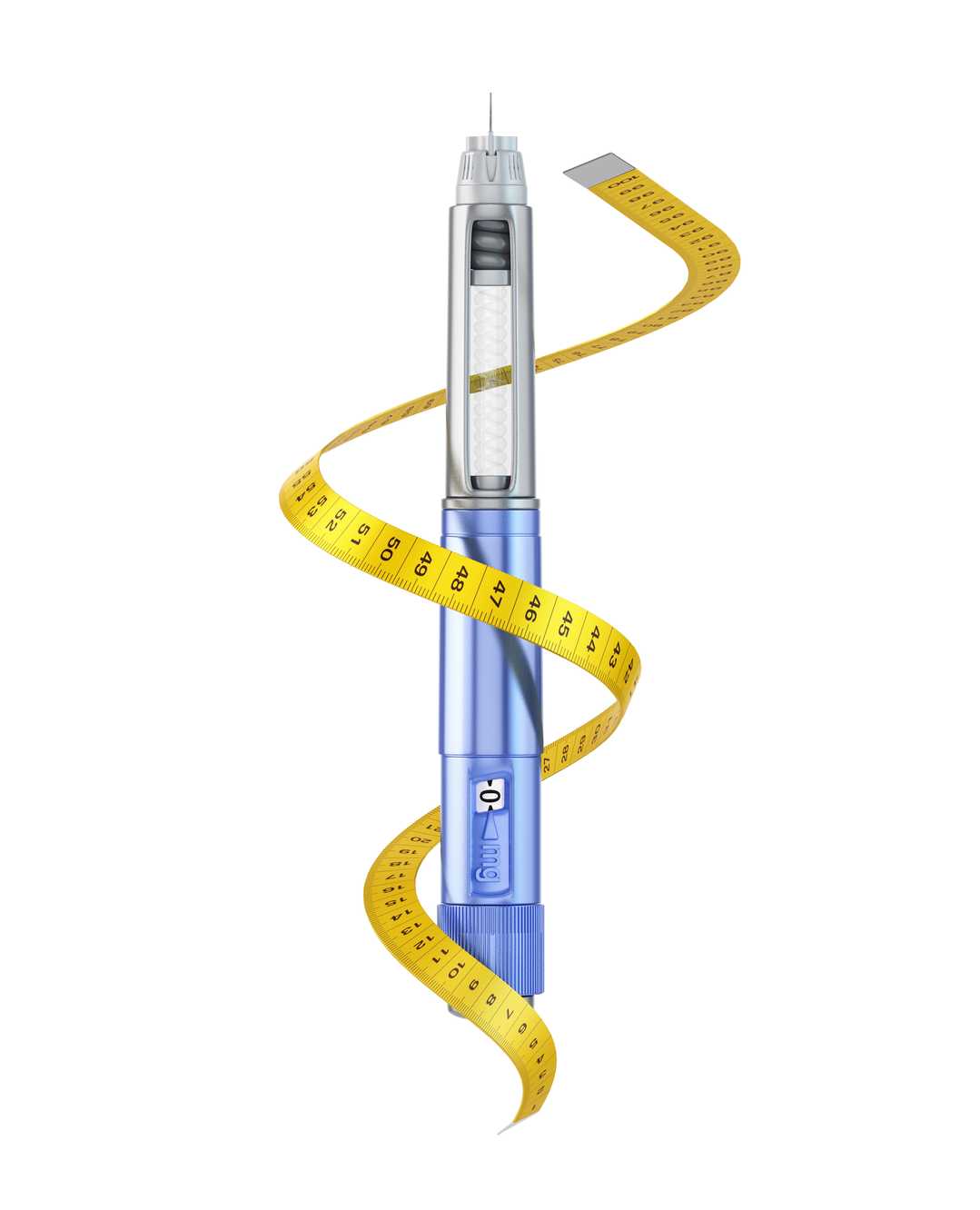
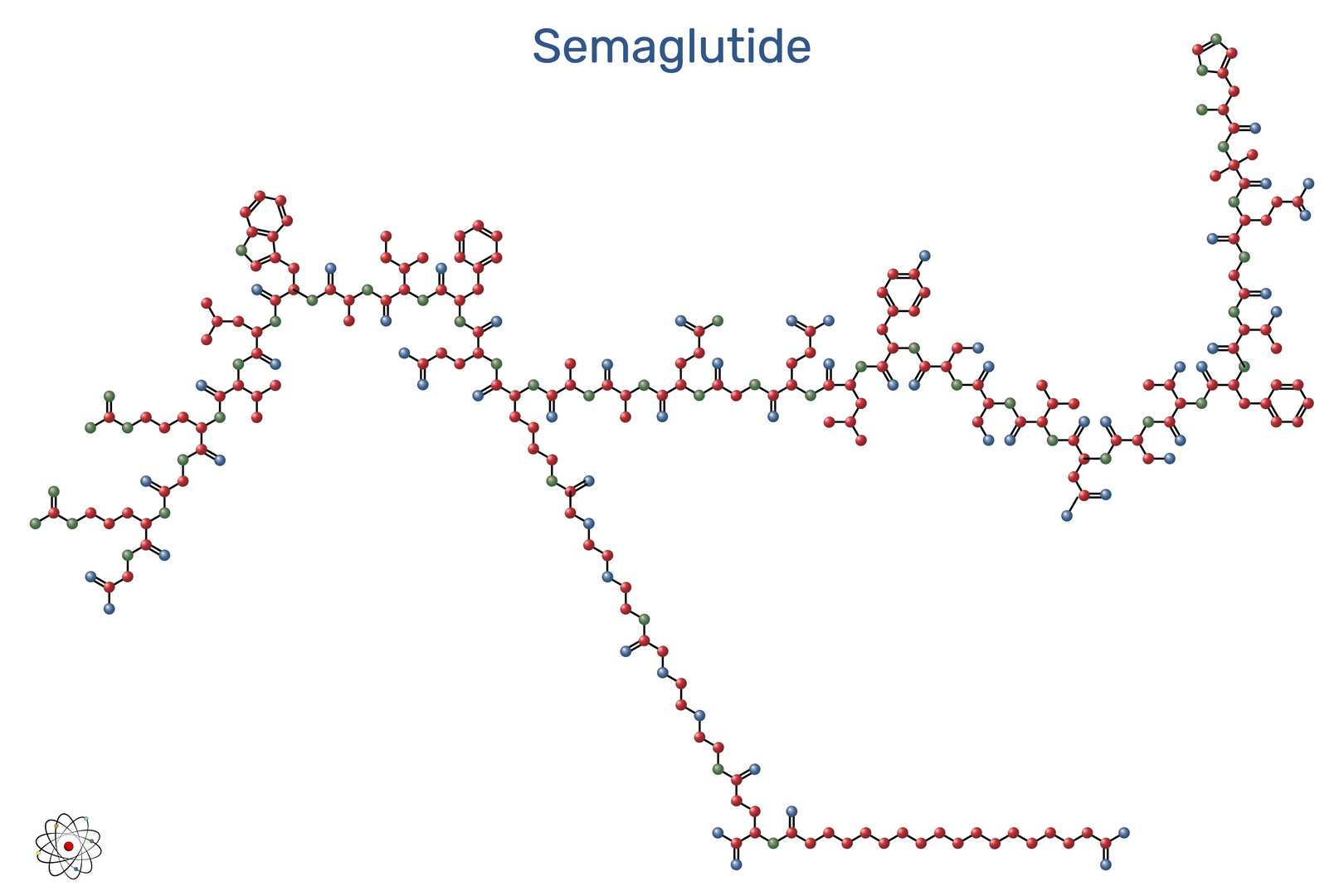 Figure 1. Semaglutide ELISA Kit.
Semaglutide ELISA detection is based on antigen antibody specific binding reactions. Taking the sandwich method as an example, the 96 well plate of the reagent kit has been pre coated with Semaglutide specific monoclonal antibody. When the processed sample is added, Semaglutide will bind with the solid-phase antibody to form an immune complex. After washing away unbound impurities, add HRP labeled detection antibodies to form a sandwich structure of "solid-phase antibody antigen enzyme-linked antibody". Finally, by adding TMB substrate for color development, the blue signal generated by enzyme catalyzed reaction is proportional to the concentration of Semaglutide in the sample. The absorbance can be measured at 450nm wavelength to calculate the concentration to be measured through the standard curve. The competition law adopts different design ideas: pre coated serum will simultaneously bind to Semaglutide in the sample and biotinylated tracer provided by the kit. The higher the concentration of Semaglutide in the sample, the more intense the competition for binding with the tracer, resulting in fewer enzyme labeled complexes and weaker color intensity. This method is particularly suitable for the detection of small molecule substances.
Sample Type
Key Processing
Detection Metrics
Main Uses
Assay Design
Precision Profile
Detection Range
Functional Modifications
| Parameter | Details |
| Product name | Semaglutide ELISA Kit |
| Sample | Serum, plasma |
| Intended Use | The kit is a competitive inhibition enzyme immunoassay technique for the in vitro quantitative measurement of Semaglutide in serum and plasma. |
| Species Reactivity | After you receive the kit, all the components should be stored in the refrigerator (4-8°C) also up to 1 year. Long term storage, improper storage conditions and large temperature fluctuation cycles may cause precipitates in the TMB solution. These precipitates should not affect the assay noticeably. Nevertheless, if you observe such precipitates, we recommend to avoid them by allowing them to sink to the bottom. |
| General Description | Semaglutide is a therapeutically effective analog of glucagon-like peptide-1 (GLP-1). GLP-1 is an incretin hormone with important effects on glycemic control and body weight regulation, particularly relevant in people with type 2 diabetes (T2D). This ELISA was developed with serum from rabbits immunized with Semaglutide coupled to a carrier protein. |
| Standard Curve |  |

The Semaglutide ELISA Kit has a wide range of applications in the field of metabolic research:
Pharmacokinetic study: Monitoring changes in blood concentration of Semaglutide through different administration routes (injection/oral) to provide data support for dose optimization
Development of biosimilars: Evaluating bioequivalence by comparing and analyzing the in vitro activity of innovative drugs and generic drugs
Study on the mechanism of obesity: Combining dietary intervention model to explore the regulatory effect of Semaglutide on energy metabolism
Clinical translational research: monitoring drug concentration during patient treatment, correlating efficacy with adverse reactions
The latest research shows that the kit has also demonstrated value in the cross reactivity assessment of GLP-1 receptor agonists, providing the possibility for drug monitoring in multi drug combination therapy. The reagent kits from manufacturers such as Krishgen have passed the FDA Bioanalytical Methods Validation Guidelines and are suitable for data support in preclinical studies.

Fast turnaround time
Most test kits can detect results within 2-3 hours, which is faster than virus culture and on par with RIDT. This allows clinicians to make clinical decisions in a timely manner (eg. start antiviral therapy).

Quantitative Results
In contrast to qualitative RIDT, ELISA provides numerical information on antigen/antibody levels. It can be used to assess the viral load (antigen levels) and quantify the immune status (antibody titers).

Cost Effectiveness
ELISA kits are less expensive than RT-PCR, especially for high-throughput detection. It requires minimal equipment (microplate readers) and can be performed by trained technicians.
A Semaglutide ELISA kit is not just a reagent set—it's a precision tool tailored to the drug's complexity. By dissecting its assay design, precision, detection range, and functional features, researchers, clinicians, and QC specialists can unlock its full potential. Whether quantifying semaglutide in a Phase I trial, monitoring a patient's response, or ensuring batch consistency, this resource guide empowers informed decision-making. As semaglutide's clinical footprint expands, so too will the demand for robust, versatile ELISA solutions—tools that turn molecular complexity into actionable data.
Possible reasons may include insufficient reconstitution of the standard, reagent imbalance to room temperature, or insufficient incubation time. It is recommended to dissolve the standard and let it stand for 10 minutes before thoroughly mixing. The incubation temperature and time should be strictly controlled, and if necessary, the color development time should be extended to 20 minutes.
Elevated levels may be due to hemolysis of the sample or insufficient washing; If it is too low, it may be due to the loss of target substances in the extraction process or sample dilution errors. It is necessary to ensure standardized sample collection, optimize C18 column extraction conditions, and verify whether the dilution ratio is appropriate.
Try to use the same batch of reagents to complete the series of experiments as much as possible; Make standard curves for each experiment instead of using old curves; Strictly follow the operating procedures, especially the control of incubation time and temperature.
It can be verified through recovery experiments: adding a known amount of Semaglutide standard to the sample, if the ratio of the measured value to the theoretical value is within the range of 80% -120%, the matrix effect is acceptable. Otherwise, it is necessary to increase the sample dilution factor or optimize the extraction steps.
Loading ......
