
Inquiry Basket
 Loading ......
Rabies Virus (RV) is a highly lethal neurotropic virus that is primarily transmitted through saliva from infected animals in contact with open wounds or mucous membranes of humans or animals. Due to its high mortality rate and rapid transmission characteristics, the prevention and control of rabies are of great significance in the field of public health. In recent years, advances in vaccine development and immune testing technology have provided strong support for the prevention and control of rabies. Among them, rabies virus G protein (RVG) is one of the core targets in vaccine development and immune testing, and has attracted much attention due to its critical role in virus structure and immune response.
Rabies is a deadly disease caused by the rabies virus (RABV). RABV can invade the host's central nervous system and cause pathological changes. Once the virus takes effect and symptoms appear, the immune system or any medication cannot clear it, and the mortality rate is close to 100%. For decades, traditional rabies vaccines have been the cornerstone of preventing this deadly disease. RABV has a single stranded RNA genome and five structural proteins, including glycoprotein (G), nucleocapsid protein (N), phosphoprotein (P), matrix protein (M), and viral RNA polymerase (L). Among them, G protein is the only viral protein exposed on the surface of RABV virus. It is responsible for binding to host cell receptors and promoting virus entry into host cells. G protein can also trigger host immune response and is the main target protein that stimulates virus neutralizing antibodies. All other components play crucial roles in the replication and pathogenic mechanisms of the virus.
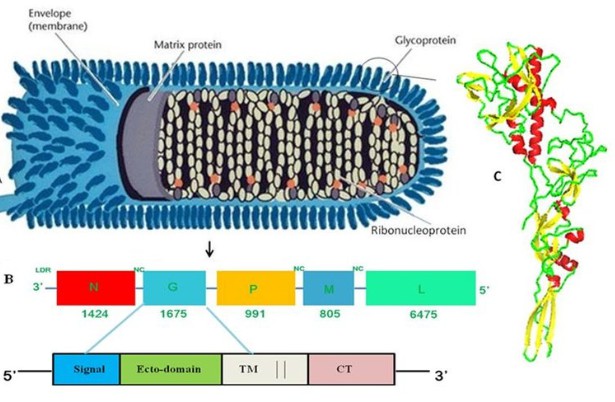 Figure 1. Diagrammatic representation showing bullet shaped structure of rabies virus.( Sunil Abraham, et al. 2017)
Rabies virus belongs to the order of single negative viruses, which are viruses with non segmented and negative stranded RNA genomes. They belong to the Lyssavirus genus of the Rhabdoviridae family and target the central nervous system. They are bullet shaped, approximately 180 nanometers long and 75 nanometers wide (Figure 1A). The genome encodes five proteins, including nucleoprotein (N), phosphoprotein (P), matrix protein (M), glycoprotein (G), and large protein (L). The orientation and position of the proteins encoding these genes in the genome can affect the structure of the virus (Figure 1B).
Glycoprotein genes are membrane related molecules that are the main components on the surface of mature rabies virus particles (spikes), which is considered to be the responsible for inducing neutralizing antibodies against the virus. The trimeric G protein is the only rabies virus protein exposed on the surface of virus particles, responsible for adhering to target cells through interactions with several cell membrane components, thus allowing the virus to enter cells through endocytosis.
When the acidic pH value in the endosome induces conformational changes in the glycoprotein trimer, fusion between the virus and the cell membrane is triggered. In vitro evidence suggests that nicotinic acetylcholine receptors (nAChR), neuronal cell adhesion molecules (NCAM), and p75 neurotrophic factor receptors (p75NTR) bind to rabies virus and promote its entry into cells. RVG is a specific high affinity ligand for non neutrophil nutrient binding sites on the p75 receptor.
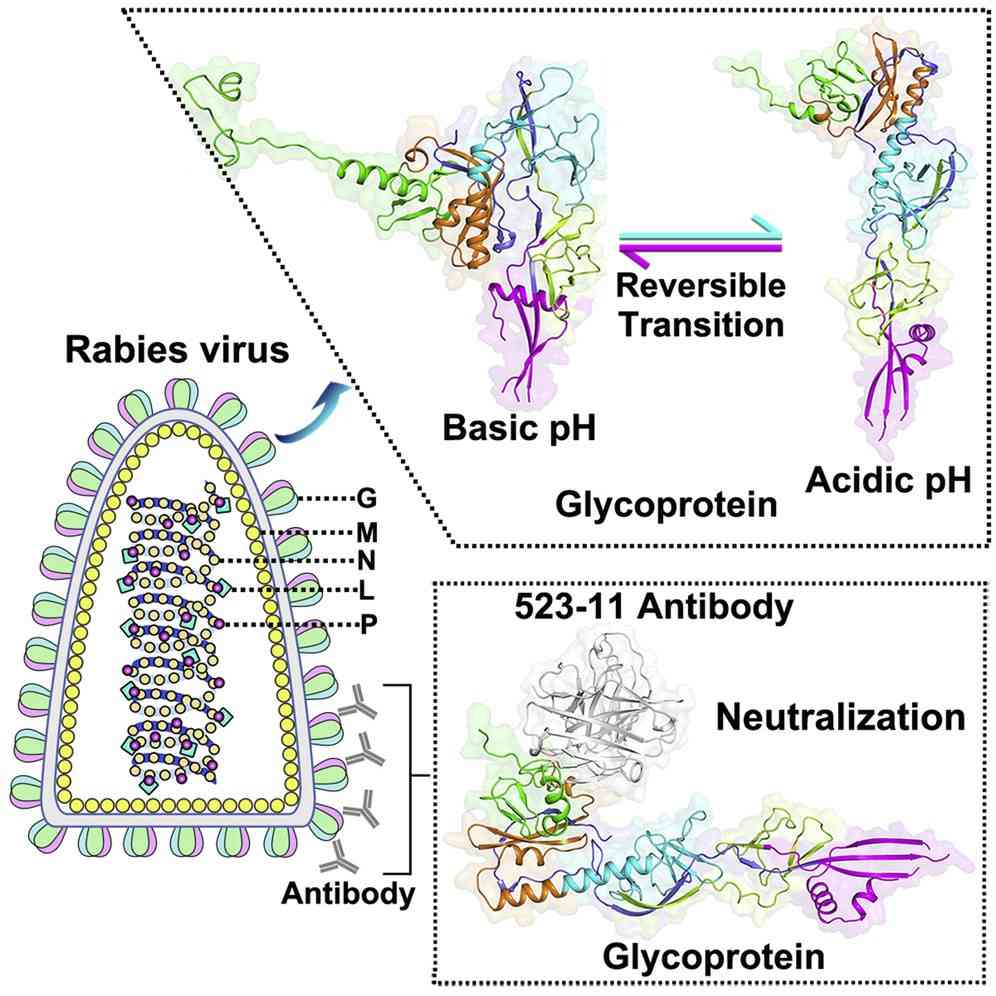 Figure 2. Rabies Virus Glycoprotein (Rvq).( Yang, Fanli, et al. 2020)
Rabies has always been an important public health issue, and there is currently no effective treatment for it. At present, prevention is mainly achieved through vaccination. There are two main types of rabies vaccines available on the market: inactivated vaccines and attenuated vaccines. Inactivated vaccines are the most common and widely used vaccines in the world. They are produced by growing rabies virus in cell culture. After growth, use chemical agents to inactivate the virus to ensure that it no longer has pathogenic ability. However, inactivated vaccines are expensive and the administration process is relatively cumbersome. The main reason is that the rabies virus produced has a low titer and requires multiple injections to achieve higher titers in order to obtain satisfactory protective effects. In addition, attenuated rabies vaccine is mainly used for vaccination of wild animals and animals. So far, new DNA vaccines, mRNA vaccines, and viral vector vaccines have been evaluated in preclinical settings for the prevention of rabies infection, but these vaccines have not yet been approved for use in humans.
ELISA kits for rabies vaccine research primarily focus on two main objectives:

After vaccination, ELISA kits can be used to monitor the immune response of individuals or animals. By detecting the level of RVG antibodies in serum, the protective effect of vaccines can be evaluated and a basis can be provided for vaccination strategies.

In the epidemiological study of rabies, ELISA kits can be used to detect the level of RVG antibodies in animals or populations, in order to assess the spread of rabies and immune coverage.

As the main antigen of the virus, the study of the structure and function of RVG is of great significance for understanding the pathogenic mechanism of the virus and developing new vaccines. The ELISA kit can be used to study the expression, modification, and response of RVG in different hosts.
Our Rabies RVG Glycoprotein Detection kit is designed to support the entire cycle of Rabies detection. These solutions utilize innovative detection chemistry and proprietary antibody pairs to provide excellent sensitivity and extremely low cross reactivity, ensuring reliable data even in the most challenging sample types. The main products include:
| ELISA Kit | Application |
| Human Anti-RVG IgG ELISA Kit | The Human anti- Rabies Virus Glycoprotein (RVG) IgG ELISA Kit is an immunoassay suitable for detecting and quantifying IgG antibody activity specific for RVG, in serum or plasma. Other biological fluids, including tissue culture medium, may be validated for use. For research use only (RUO), not for diagnosis, cure or prevention of the disease. |
The Rabies RVG glycoprotein detection ELISA kit is a basic tool for the worldwide control and elimination of rabies. For measuring important antigens in vaccine formulations during development for efficacy and quality control purposes, or for quantifying host protective antibody responses in vaccinated individuals, these ELISA solutions can deliver sensitive, specific and quantitative results. As these products are continually improved and updated, and due to the inherent throughput and safety advantages of ELISA, this assay will continue to play an essential role in speeding up the development of rabies vaccines, assuring their quality, and in global diagnostic and monitoring programs.
References
Loading ......
