
Inquiry Basket
 Loading ......
Antibody-Drug Conjugates (ADC) are made of monoclonal antibodies (Antibody) targeting tumor-specific antigens or tumor-associated antigens, coupled with different numbers of small molecule cytotoxins (Payload) through linkers. They have the dual advantages of high targeting of monoclonal antibodies and high activity of cytotoxic drugs in tumor tissues, and are one of the fastest-growing drug categories in the field of tumor targeted therapy in recent years. Elisa (Enzyme-Linked Immunosorbent Assay) kit is a highly sensitive, specific and repeatable experimental diagnostic method. Due to its stable reagents, easy storage, simple operation and objective result judgment, it has been widely used in various fields of immunological testing.
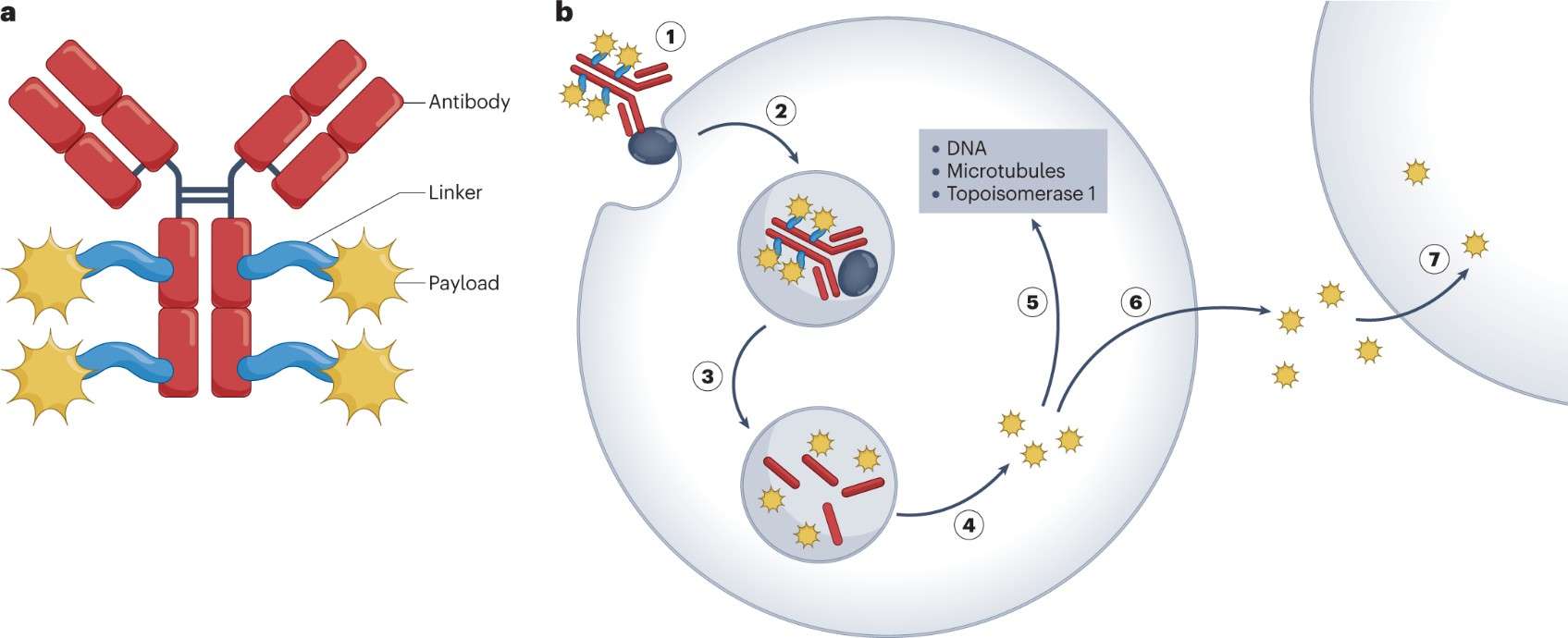 Figure 1. Antibody-drug conjugates.( Dumontet, Charles, et al., 2023)
Antibody drug conjugates (ADCs) is a form of therapy that targets a cancer cell and has an antibody, toxin, and linker.
The types of antibodies used in ADC drugs are mainly based on the biological functions of antibodies and can generally be divided into five categories. Among them, IgA and IgM are dimers and pentamers of immunoglobulins, with larger molecular weights and weaker penetration capabilities; IgD is unstable in circulation; and IgE is sparsely distributed in the human body. Therefore, IgG becomes an ideal choice for constructing ADC drugs because it has both moderate molecular weight and quantity, as well as a long half-life and certain tumor penetration capabilities.
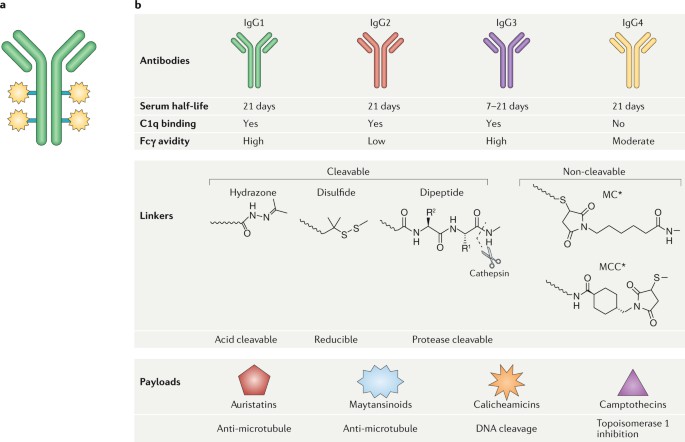 Figure 2. Antibodies in ADC.(Drago, Joshua Z, et al., 2021)
The most important purpose of ADC pharmacokinetic analysis is to describe the concentration-time curve of ADC in vivo, including the total concentration of ADC, conjugated concentration of ADC and drug carrier concentration or metabolite concentration of drug carrier. The above data can be used to optimize the dose and dosing of ADC so that the optimal drug concentration can be obtained in the treatment process and the toxicity and side effects can be reduced as much as possible.
Antibodies that can recognize and bind to the drug load (payload) portion of an ADC. These antibodies bind to the drug molecules in the ADC through their affinity, allowing for a more detailed analysis of the ADC. They can be used to detect and quantify drug loading in ADCs. They can be used to identify and measure drug loading by different experimental techniques, such as ELISA (enzyme-linked immunosorbent assay) or other biochemical and cytological methods.
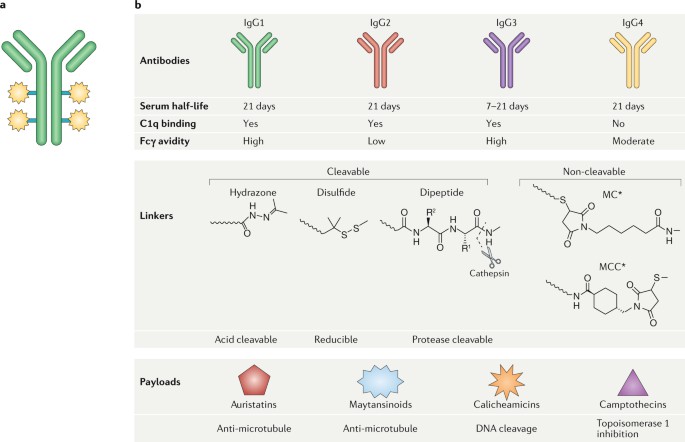 Figure 3. Payload in ADC.(Drago, Joshua Z, et al., 2021)
Advantages of Anti-Payload Antibodies
Applications of Anti-Payload Antibodies
Anti-Payload antibodies are widely used in characterization studies of ADCs for quantification of drug loading, monitoring of drug release, and stability analysis of ADCs. They can also be used to screen and evaluate the properties of novel ADC drugs.
What sets ADC ELISA kits apart is their carefully designed format that addresses the most common pain points in ADC analysis. Each kit undergoes extensive validation to ensure:
Applications
Product List
| Product Name | Species Reactivity | Precision |
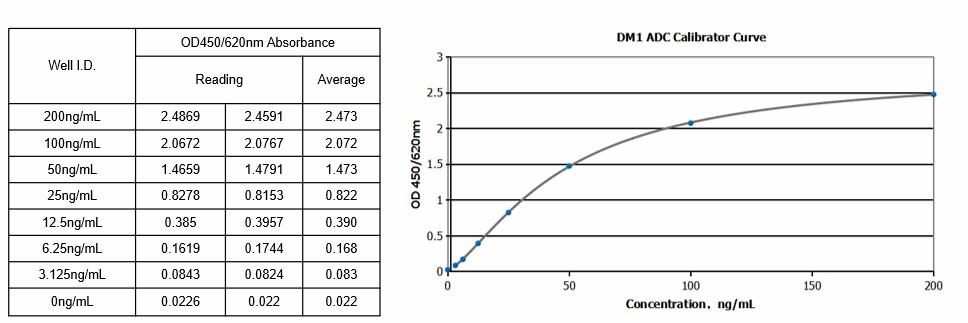
| DM1 ADC ELISA Kit | Human | Intra-assay Precision (Precision within an assay):2.10%. Inter-assay Precision (Precision between assays) :7.36%. |
 | ||
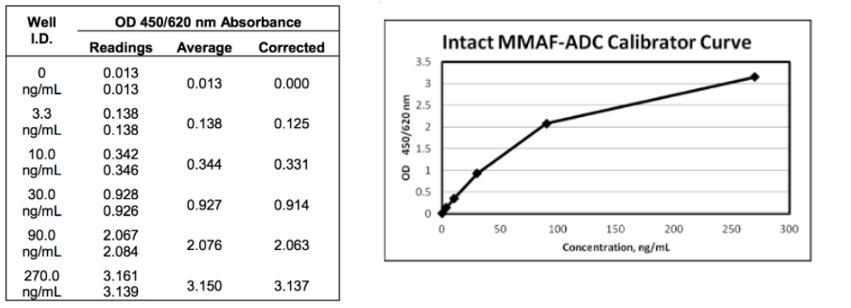
| Intact MMAF ADC ELISA Kit | Human, Rat, Mouse, Primate | The intra-assay precision was validated by measuring three spiked samples with 16 replicate determinations. Intra-assay Precision CV%: 1.7%-6.4% The inter-assay precision was validated by measuring two control levels in duplicate in 15 individual assays. Inter-assay Precision CV%: 4.1%-5.3% |
 | ||
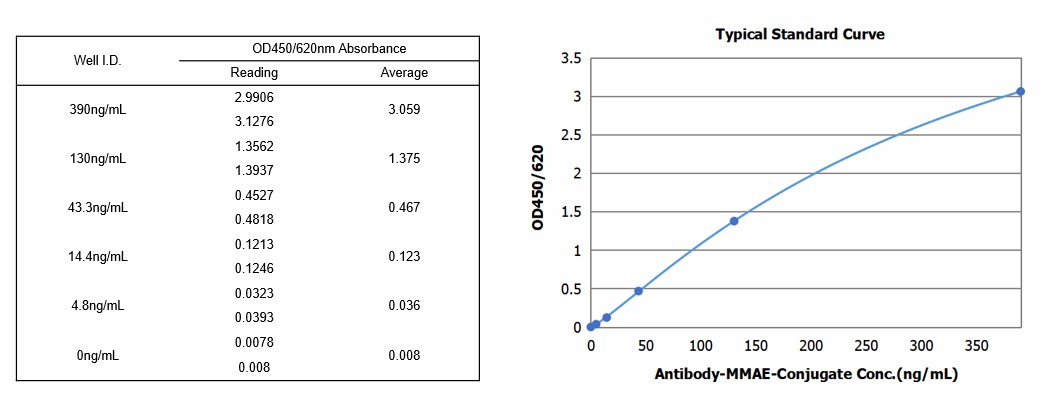
| Intact MMAE ADC ELISA Kit | Human | Intra-assay Precision (Precision within an assay): ≤10%. Inter-assay Precision (Precision between assays) : ≤15%. |
 | ||
ELISA kits are employed in various applications in ADC research:
With the emergence of a wider variety of different types of ADCs in the near future, more specialized and advanced ELISA kits will be needed for the better detection of the ADCs. The future work of ELISA kits will also include high-throughput ADC detection kits for more than one type of ADC in a single sample, as well as an automated ELISA detection system.
References
Loading ......
