
Inquiry Basket
 Loading ......
Periampullary carcinoma (VPC) is a general term for cancers that grow in the Vater's ampulla, duodenal papilla, lower end of the common bile duct, pancreatic duct opening, and inner wall of the duodenum. Their common feature is that when the cancer is small, it can cause obstruction of the common bile duct and main pancreatic duct, resulting in early onset of jaundice in patients. The age of onset is mostly between 40 and 70 years old, with males being the majority. The main symptoms include jaundice, upper abdominal pain, fever, weight loss, liver enlargement, gallbladder enlargement, etc.
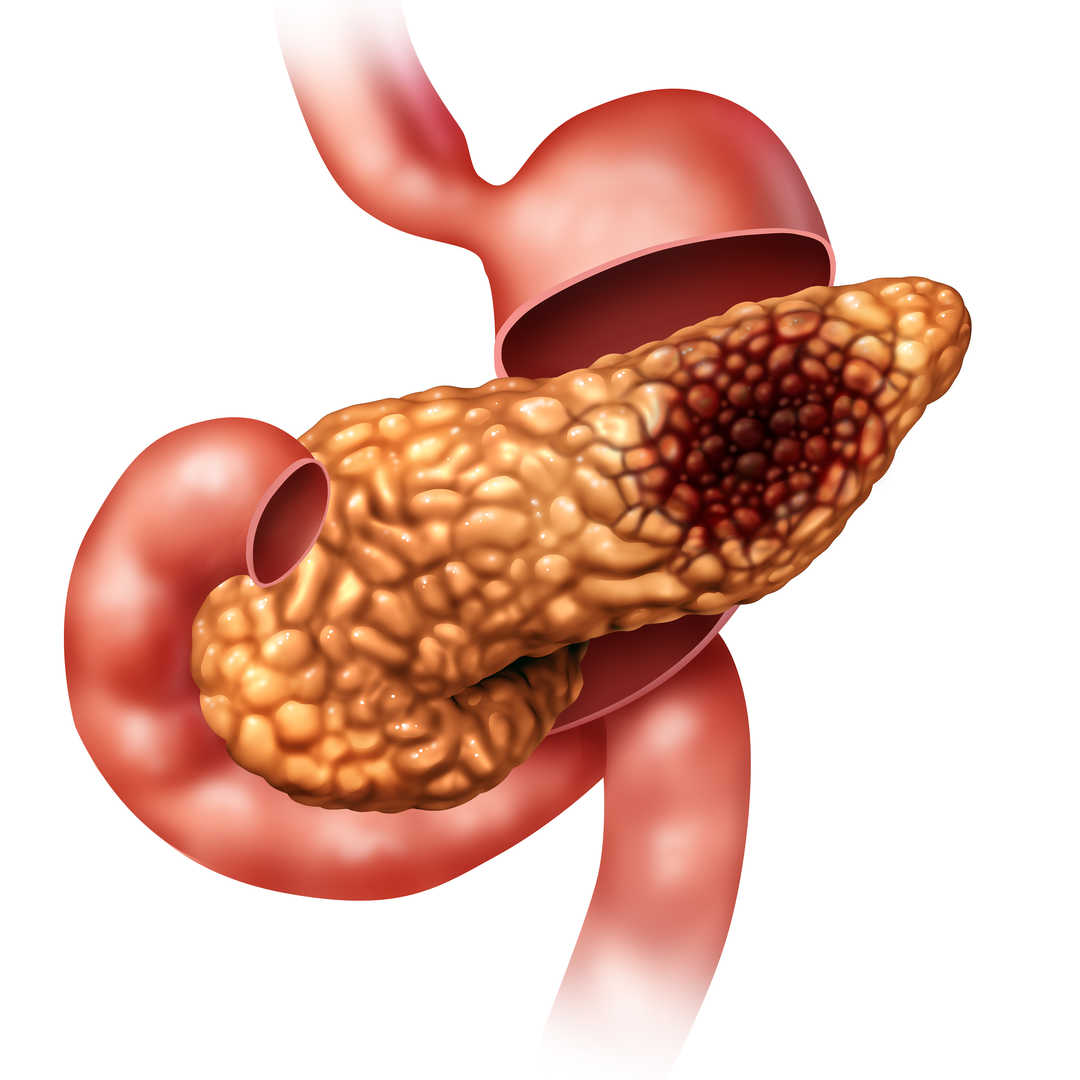 Figure 1. Periampullary Carcinoma.
The etiology of periampullary cancer is not yet fully understood, and may be related to factors such as diet, alcohol consumption, environment, bile duct stones, or chronic inflammation, as well as malignant transformation from benign tumors.
| Clinical Manifestations | Details |
| Jaundice | Periampullary cancer jaundice appears earlier, progressively worsens, and can also present as fluctuating jaundice. Jaundice is obstructive, with obvious yellowing of the skin and mucous membranes, often accompanied by skin itching. Long term bile stasis can lead to biliary cirrhosis and gallbladder enlargement. Patients with combined biliary tract infections may experience high fever, chills, and even toxic shock. |
| Abdominal pain | Middle and upper abdominal pain is often the first symptom. In the early stages, some patients may experience dull pain under the xiphoid process, and abdominal pain can radiate to the back, often worsening after eating, in the evening, at night, or after a fat meal. |
| Intermittent chills and fever | Often caused by tumor rupture, bile stasis, and biliary tract infection. Characterized by transient high fever accompanied by chills, elevated total white blood cell count, and even toxic shock. |
| Digestive symptoms | Due to the lack of bile and pancreatic juice in the intestine, digestive and absorption functions are disrupted, mainly manifested as loss of appetite, fullness, indigestion, fatigue, diarrhea or steatosis, gray and white stools, and weight loss. Late stage black stool and secondary anemia. Peritoneal metastasis or portal vein metastasis of cancer can result in ascites. |
| Enlargement of liver and gallbladder | Often palpable enlarged liver and gallbladder, with a hard and smooth texture. A small number of patients may develop biliary cirrhosis and splenomegaly due to long-term jaundice. |
| Clinical Examination | Details |
| Fecal and urine examination | Most patients have consistently positive fecal occult blood tests, often with mild anemia, positive urine bilirubin, and negative urine bilinogen. |
| Blood test | The increase in serum bilirubin is mostly between 256.5 and 342 μ mol/L, alkaline phosphatase and gamma glutamyl transpeptidase are elevated, transaminase is mildly to moderately elevated, and both carcinoembryonic antigens CA19-9 and CA125 are elevated. |
| Duodenal drainage fluid examination | The duodenum can drain hemorrhagic or dark brown fluid, and its occult blood test is positive. Microscopic examination shows a large number of red blood cells, and cytology examination can detect cancer cells. |
| B-mode ultrasound examination | B-ultrasound can show dilation of intrahepatic and extrahepatic bile ducts, as well as enlargement of the gallbladder. But the diagnostic rate of periampullary cancer itself is relatively low, which is due to the presence of duodenal and gastric gas accumulation and food masking in this area. |
| CT and MRI examinations | It is meaningful for distinguishing pancreatic head cancer, helpful for the diagnosis of this disease, and can display the location and contour of the tumor. The appearance of periampullary cancer and common bile duct cancer on imaging is similar. Both the common bile duct and pancreatic duct can dilate, or only the bile duct can dilate; When pancreatic head cancer occurs, the pancreatic head enlarges, there is a mass, the pancreatic duct dilates, and the ring shadow suddenly breaks and deforms, resulting in a double ring shadow, indicating invasion of both the pancreatic head and the common bile duct. Sometimes there may be soft tissue shadows or abnormal signals in the dilated common bile duct. |
| ERCP | It is possible to observe the condition of the inner wall of the duodenum and the nipple, which can be seen to be swollen, irregular in surface, nodular, brittle and prone to bleeding. Biopsy can be used for pathological diagnosis. |
| PTC inspection | Compared to ERCP, ERCP is often less successful due to the uneven height of the ampulla papilla, narrow and blocked lumens. PTC can display dilation of intrahepatic and extrahepatic bile ducts. |
| Selective Abdominal Arteriography (SCA) | It is beneficial for the diagnosis of pancreatic head cancer. The location of pancreatic cancer can be determined indirectly from the change of vascular position. |
Once diagnosed, pancreaticoduodenectomy should be performed, which is currently the most effective treatment method. Due to the wide scope of surgery, significant trauma, long-term jaundice, liver and kidney dysfunction, low digestive and absorption function, and malnutrition in patients, preoperative preparation must be made, necessary nutritional support must be provided, and digestive aids such as bile salts and pancreatic enzymes should be given. Vitamin K should also be given, and if necessary, preoperative blood transfusion, plasma, and albumin should be administered to correct anemia and hypoalbuminemia. If the cancer has invaded the portal vein, extensively metastasized retroperitoneally, or metastasized to the liver, internal drainage surgery can be performed to alleviate jaundice, such as palliative bypass surgery such as cholecystojejunostomy or choledochojejunostomy or duodenostomy; If duodenal stenosis occurs, gastrojejunostomy can be performed. Chemotherapy is generally insensitive and is commonly used in combination with 5-FU, mitomycin C, cytarabine, vincristine, and other drugs. Traditional Chinese medicine with anti-cancer or immune enhancing properties can also be used for treatment.
| Cat. No. | Product Name | Host | Isotype | Application | |
| DCABH-3814 | Anti-PGF monoclonal antibody, clone FQS3913(3) | Rabbit | IgG | WB | Inquiry |
| DCABH-4752 | Anti-RALB monoclonal antibody, clone 3D5 | Mouse | IgG1 | WB, IHC-P, ICC/IF | Inquiry |
| Cat. No. | Product Name | Size | Species Reactivity | Application | Detection Method | |
| DEIABL538 | c-Src Kinase Inhibitor Screening Assay Kit | 96T | N/A | Inquiry |
Loading ......
