

Inquiry Basket
 Loading ......
Peptide-small molecule mixed inhibitors represent a promising new area of study in modern drug development as they demonstrate significant potential and applicability. The combination of peptides and small molecule compounds produces a new solution for complex diseases and drug resistance challenges.
Peptide-small molecule mixed inhibitors consist of peptide chains that are chemically linked to small molecule compounds. Peptides demonstrate strong binding affinity which allows them to accurately target active sites or essential binding regions of proteins and block signaling pathways through simulation of conserved domains in protein-protein interactions. Small molecules enhance drug stability and minimize enzymatic hydrolysis risks while benefiting metabolic behaviors and increasing drugs' oral bioavailability. By combining these substances together they take full advantage of their distinct beneficial properties. Peptide segments replicate protein active sites in certain studies while the small molecule components offer structural stability and favorable pharmacokinetics.
Peptide-small molecule mixed inhibitors function by using the combined effects of peptides and small molecules to achieve synergy. Peptides attach to crucial sites on target proteins which leads to the disruption of protein functions. The overall inhibitory effect of small molecules increases because they form non-covalent bonds with peptides through interactions such as hydrogen bonds and hydrophobic interactions. The linker's length and chemical properties dictate the design of peptide-small molecule conjugates which are essential for optimal binding affinity and stability. The combination of small molecules and peptides into conjugates with flexible helix-helix structures demonstrates outstanding binding capacity within the low nanomolar range.
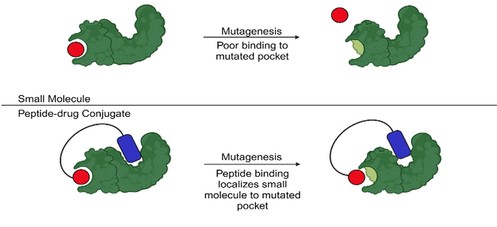 Figure 1. Peptide-Drug Conjugates. (Sources: Dean TT, et al. 2024)
Peptide-small molecule mixed inhibitors feature numerous significant characteristics with respect to their applications and advantages. Stability enhancement can occur through chemical modification or by adding a rigid structure which prevents degradation from enzymatic hydrolysis or hydrophobic effects. The small molecule component enhances cell permeability of peptide drugs and addresses traditional peptide drug delivery limitations inside cells. Peptide-small molecule conjugates can perform dual roles by means of fluorescent labeling which enables them to function as probes and inhibitors simultaneously.
Current research on peptide-small molecule mixed inhibitors emphasizes their combined effects to tackle both complex diseases and mechanisms of drug resistance. Research has been conducted in the areas of HIV-1 fusion protein as well as protein-protein interaction (PPI) and Alzheimer's disease. The development of peptide-small molecule conjugates that target HIV-1 fusion protein represents an area of active research which includes initial activity screening while small molecule inhibitors demonstrate promising potential for PPI regulation and peptide drugs show some therapeutic effects in treating conditions like Alzheimer's disease. However, the research and development process encounters numerous obstacles. Peptides exhibit high water solubility and degrade easily which restricts their clinical use while small molecules face challenges with target selectivity and activity control. The efficient screening of peptide-small molecule combinations with high affinity and specificity continues to be an essential research challenge.
Multiple technical difficulties hinder the development of peptide-small molecule mixed inhibitors including complex interfaces between molecules and diverse binding sites while pharmacokinetic limitations of peptides present additional hurdles along with screening and optimization challenges and diverse binding modes integration and technological innovation requirements and toxicity and immune response concerns. Its broad applicability for disease treatment remains unaffected. Mixed inhibitors boost cancer therapy effectiveness through multi-pathway signaling interference while combined therapy with immune checkpoint inhibitors helps overcome anti-tumor drug resistance.
Peptide-small molecule drug hybrid inhibitors represent a novel approach to protein targeting that combines peptides' binding strength with small molecules' stability and superior pharmacokinetics. The future of disease treatment will benefit from current research as technological advances and extensive studies help overcome existing challenges bringing hope to human health.
Peptide pharmaceuticals provide strong binding capabilities but encounter problems with water solubility and low stability combined with inadequate cellular absorption. Small molecule drugs typically encounter issues with their ability to selectively target specific molecules as well as their overall effectiveness. Peptide - small molecule mixed inhibitors bring together the high affinity of peptides to target protein active sites precisely and the stability and favorable pharmacokinetic characteristics of small molecules. These inhibitors improve peptide stability while boosting cell permeability and deliver multifunctional capabilities as both probes and inhibitors at the same time.
The basic principle involves a synergistic effect. Key areas of target proteins get occupied by peptides which results in functional blockage. Small molecules contribute to stronger inhibition effects by forming noncovalent bonds such as hydrogen bonds and hydrophobic interactions with peptides. The conjugate design requires consideration of both linker length and chemical characteristics to achieve optimal stability and binding affinity. Conjugates with flexible helix - helix structures demonstrate superior binding capabilities within the low nanomolar concentration spectrum.
Researchers aim to exploit the combined effects of peptides and small molecules to tackle complex diseases and drug-resistance mechanisms. Connected research studies exist within domains including HIV - 1 fusion protein as well as protein - protein interaction (PPI) and Alzheimer's disease. Scientists have created conjugates that target HIV - 1 fusion protein and tested their activity while research suggests small molecule inhibitors can regulate PPI.
The clinical application of peptides is restricted by their high water solubility which leads to easy degradation while small molecules face challenges in achieving target selectivity and sufficient activity. Technical development faces multiple obstacles including interface complexity and diverse binding sites along with pharmacokinetic issues for peptides and challenges in screening optimization as well as diverse binding modes which require technology integration and innovation while considering toxicity and immune responses.
The potential uses for these treatments span a broad spectrum of applications. Cancer treatment benefits from improved outcomes when multiple signaling pathways are targeted simultaneously. Drug resistance in immunotherapy and anti - tumor treatment can be overcome through combined use with immune checkpoint inhibitors. The therapeutic potential of these inhibitors extends to neurodegenerative diseases as well as cardiovascular conditions and viral infections alongside rare diseases genetic disorders and inflammatory diseases.
Reference
| Target | Cat. No. | Product Name | Type | Host | Conjugate | Application | |
| Pazufloxacin | DAG080S | Pazufloxacin [HRP] | Synthetic | N/A | HRP | ELISA, LF | Inquiry |
| DAG081S | Pazufloxacin [KLH] | Synthetic | N/A | KLH | ELISA, LF | Inquiry | |
| Paromomycin | DAG082S | Paromomycin [KLH] | Synthetic | N/A | KLH | ELISA, LF | Inquiry |
| DAG083S | Paromomycin [HRP] | Synthetic | N/A | HRP | ELISA, LF | Inquiry | |
| Papaverine | DAG084S | Papaverine [BSA] | Synthetic | N/A | BSA | ELISA, LF | Inquiry |
| DAG085S | Papaverine [HRP] | Synthetic | N/A | HRP | ELISA, LF | Inquiry | |
| DAG086S | Papaverine [KLH] | Synthetic | N/A | KLH | ELISA, LF | Inquiry | |
| Oxolinic Acid | DAG087S | Oxolinic Acid [BSA] | Synthetic | N/A | BSA | ELISA, LF | Inquiry |
| DAG088S | Oxolinic Acid [KLH] | Synthetic | N/A | KLH | ELISA, LF | Inquiry | |
| Orbifloxacin | DAG089S | Orbifloxacin [BSA] | Synthetic | N/A | BSA | ELISA, LF | Inquiry |
| DAG090S | Orbifloxacin [HRP] | Synthetic | N/A | HRP | ELISA, LF | Inquiry | |
| DAG091S | Orbifloxacin [KLH] | Synthetic | N/A | KLH | ELISA, LF | Inquiry | |
| Nalidixic Acid | DAG092S | Nalidixic Acid [BSA] | Synthetic | N/A | BSA | ELISA, LF | Inquiry |
| DAG093S | Nalidixic Acid [KLH] | Synthetic | N/A | KLH | ELISA, LF | Inquiry | |
| Nadifloxacin | DAG094S | Nadifloxacin [BSA] | Synthetic | N/A | BSA | ELISA, LF | Inquiry |
Loading ......
