
Inquiry Basket
 Loading ......
The Dengue Virus from the Flaviviridae family causes Dengue fever which spreads mostly by Aedes mosquitoes. The dengue virus belongs to the Flaviviridae family, a single-stranded RNA virus, and has four serotypes: DENV-1, DENV-2, DENV-3, and DENV-4. The distinct antigenic properties of each serotype stimulate unique immune system reactions. Different immune system responses result from the unique antigenic properties of each dengue virus serotype. After contracting one dengue serotype people achieve lifelong immunity to it yet stay at risk for severe disease from other serotypes.
Mosquitoes that carry the virus transmit it to humans through their bites. Mosquitoes become vectors of disease transmission after ingesting infected blood since they eventually expel enough virus into their saliva through bites following viral replication inside their bodies. The dengue virus stays hidden inside the body for 4 to 10 days prior to developing symptoms which range from mild to severe.
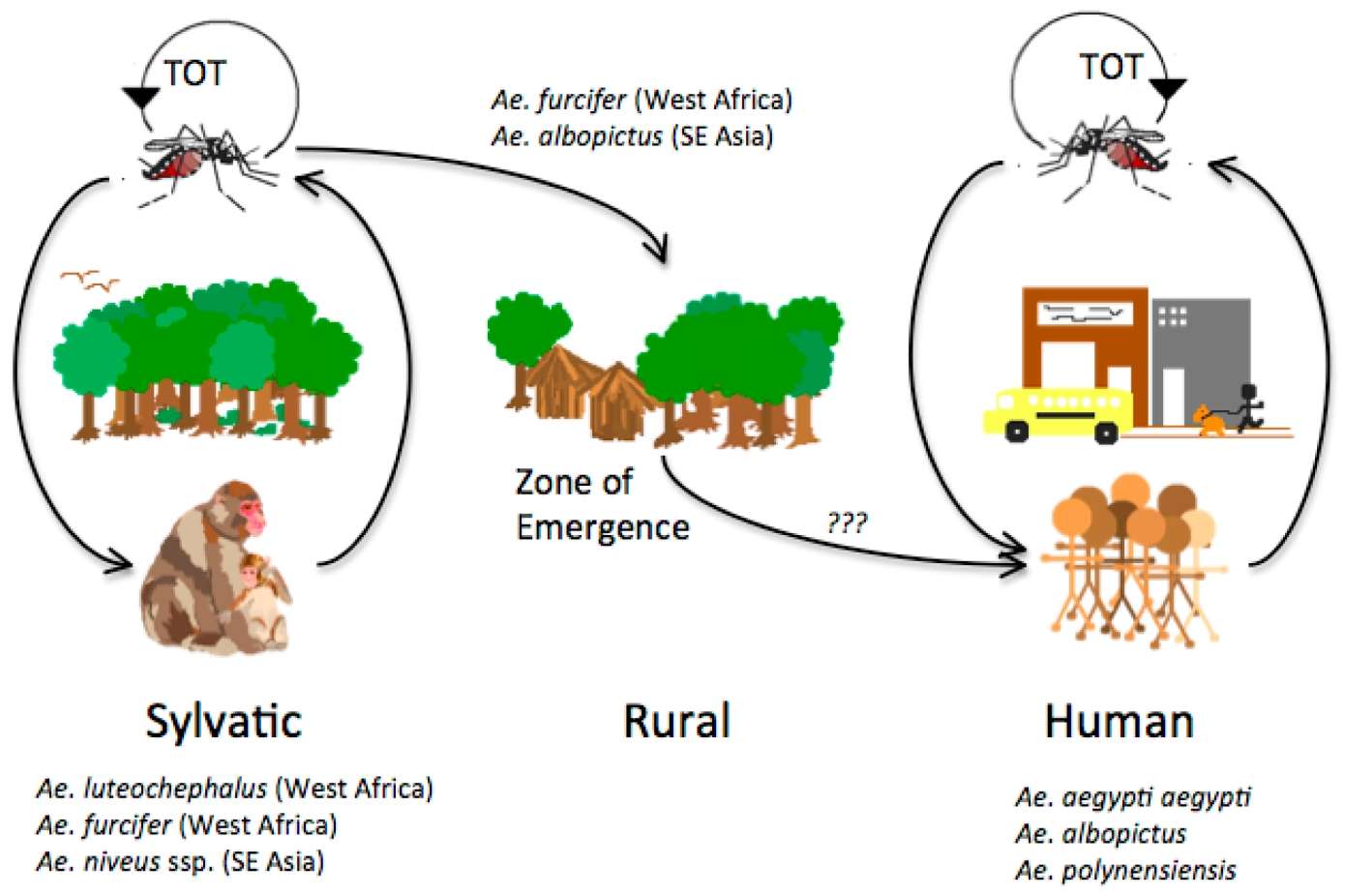 Figure 1. The Transmission Cycles of Dengue Virus (DENV). (Source: Chen R, Vasilakis N., 2011)
The body reacts to dengue fever by activating both humoral immunity and cellular immunity to defend against the infection. During the first infection phase of the virus the body starts producing antibodies against surface antigens such as envelope proteins and non-structural proteins. A person who comes into contact with a dengue virus serotype develops a long-lasting immune response. An infection with a different dengue serotype causes the human body to exhibit an "antibody-dependent enhancement" (ADE) effect. ADE shows how pre-existing antibodies attach to viruses forming complexes that boost viral cell entry and lead to more severe clinical outcomes.
Dengue pathogenesis develops as a direct result of how the body's systemic immune system responds to the viral infection. During infection immune responses activate and generate multiple cytokines and inflammatory mediators which produce endothelial dysfunction as well as plasma leakage leading to hypotension and shock that results in hemorrhage symptoms. The disease becomes more intense when the virus invades host cells especially endothelial cells and macrophages.
Symptoms of dengue fever can vary greatly in intensity from mild to serious. Eighty percent of dengue infections lead to mild or asymptomatic forms yet patients frequently report fever headache muscle pain and rash. Dengue hemorrhagic fever (DHF) and dengue shock syndrome (DSS) represent serious dengue complications that trigger organ failure and blood system abnormalities in some patients.
Severe dengue features include: Patients with severe dengue demonstrate significant vascular leakage that results in hypotension or shock together with continuous high fever and bleeding symptoms and also display an enlarged liver with abdominal pain that progresses to multi-organ failure. In severe dengue cases children and elderly patients face increased mortality rates. When plasma leakage combines with thrombocytopenia it causes deadly circulatory system complications for patients.
Multiple neurological complications can occur in patients who have contracted dengue fever. Studies show the dengue virus moves through the blood-brain barrier to affect the central nervous system causing disorders like encephalitis and myelitis as well as Guillain-Barré syndrome.
While dengue fever typically produces mild symptoms in most people who get infected serious complications can lead to death. The World Health Organization reports that dengue fever infects 390 million people every year worldwide of which 96 million exhibit clinical symptoms and some progress to severe dengue. Dengue fever results in approximately 25,000 annual deaths because severe cases have a mortality rate of 2.5%. Quick medical intervention is essential for patients who suffer from shock and hemorrhage along with multi-organ failure because they will likely die without it.
Multiple factors determine mortality risk in dengue patients including virus serotype combined with host immunity levels and the rapidity of diagnosis and treatment plus regional healthcare standards. Studies show that infections with DENV-2 and DENV-3 produce higher levels of mortality and neurological complications. People with weakened immune systems such as children and elderly patients and those who are immunocompromised experience a higher risk of developing serious symptoms and their likelihood of dying from the disease rises.
The likelihood of death from dengue fever depends on the specific virus serotype and patient's immune response together with the availability of medical services and the quality of local public health systems. Most individuals who have a healthy immune system develop only minor symptoms when infected with dengue and have a minimal chance of dying from it. When medical treatment is delayed serious cases experience a significant increase in mortality rate.
Dengue fever generally has a low mortality rate but produces substantial fatalities among vulnerable groups living in resource-poor areas. Healthcare providers can decrease fatality rates through prompt diagnosis and adequate supportive care. Future control of dengue death rates can improve through the advancements in public health strategies and vaccine research. This disease presents important difficulties for public health authorities around the globe.
References
| Target | Cat. No. | Product Name | Size | Species | Application | Detection Sample | |
| DENV | DEIABL333 | Dengue virus IgM µ-capture ELISA Kit | 96T | Qualitative | serum, plasma | Inquiry | |
| DEIA508 | Dengue IgG ELISA Kit | 96T | Human | Qualitative | serum, plasma (EDTA, lithium heparin or citrate plasma | Inquiry | |
| DEIA510 | Dengue IgM ELISA Kit | 96T | Human | Qualitative | serum or plasma (EDTA or lithium heparin plasma). | Inquiry | |
| DEIA1439 | Dengue Virus IgG ELISA Kit | 96T | Human | Qualitative | serum, plasma (EDTA, lithium heparin or citrate plasma | Inquiry | |
| DENV NS1 | DEIABL14 | Dengue NS1 Antigen ELISA Kit | 96T | Human | Qualitative | human serum | Inquiry |
| DEIA-JY2107 | Human Dengue Virus Non-Structural Protein 1 (DENV NS1) ELISA Kit | 96T | Human | Quantitative | Serum, Plasma, Tissue Homogenates and other Biological Fluids. | Inquiry |
Loading ......
