
Inquiry Basket
 Loading ......
Hepatitis A virus (HAV) belongs to the family of small RNA viruses and the genus of hepatoviruses. After human infection with HAV, the virus expresses Hepatitis A Virus (HAV) Antigens that are recognized by the host immune system; most cases present as subclinical or latent infections (likely related to the immune system's response to these antigens), with only a few presenting as acute hepatitis A. Generally, it can be fully recovered without turning into chronic hepatitis, and there are no chronic carriers. Hepatitis A virus belongs to the small ribonucleic acid virus, which contains a single stranded positive stranded RNA genome, only one serotype, and one antigen antibody system. Therefore, its detection antibodies are used in countries around the world. HAV is heat-resistant and only partially inactivated at 60 degrees Celsius for 1 hour. Hepatitis A is a fecal oral infectious disease, which is different from blood borne infection of hepatitis B by syringe, perinatal transplacental, etc., or hepatitis C by injection, blood transfusion, etc., and no report of mother infant vertical transmission of hepatitis A has been found. HAV mainly causes the spread of hepatitis A through water sources or food. It can be stored in seafood shellfish, and raw or undercooked food can cause hepatitis A.
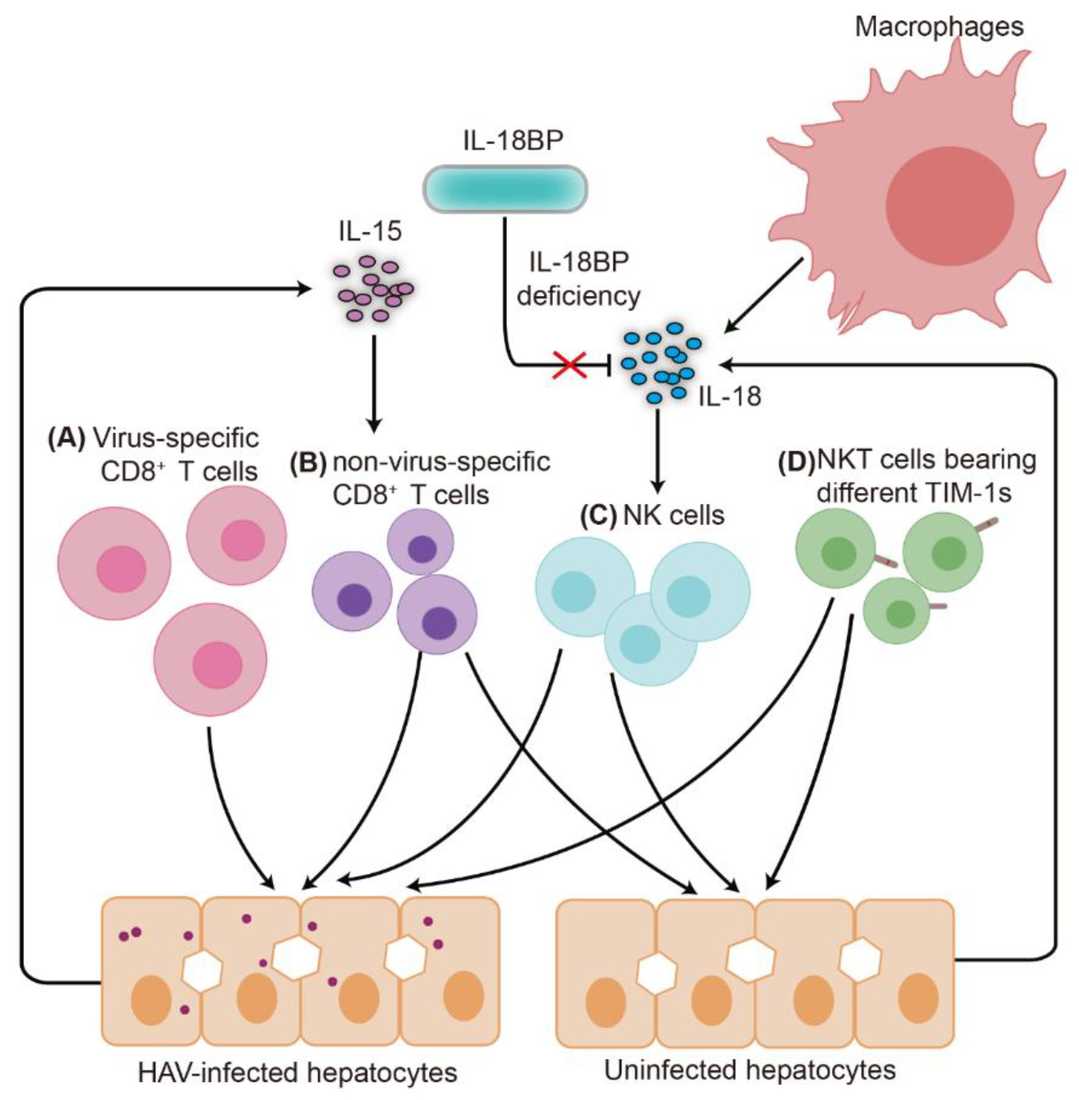 Figure 1. Mechanisms of Hepatocellular Injury in Hepatitis A.( Wang, Minghang,2021)
The virus is spherical with a diameter of approximately 27nm and lacks a capsule. The capsid is composed of 60 shell particles, which are symmetrical in a icosahedral manner and contain HAV specific antigen (HAVAg). Each shell particle is composed of four different peptides, namely VP1, VP2, VP3, and VP4. At the core of the virus, it is a single stranded positive stranded RNA. In addition to determining the genetic characteristics of the virus, it also functions as a messenger RNA and is infectious. The single stranded RNA of HAV is equivalent to 7400 nucleotides in length. There are multiple adenosine sequences at the 3 'end of RNA, which are covalently linked to a small protein encoded by a viral gene at the 5' end, known as a viral protein, genomic protein (VPG). It can cause the viral nucleic acid to attach to the host cell's nuclear protein body for the biosynthesis of viral proteins during virus replication.
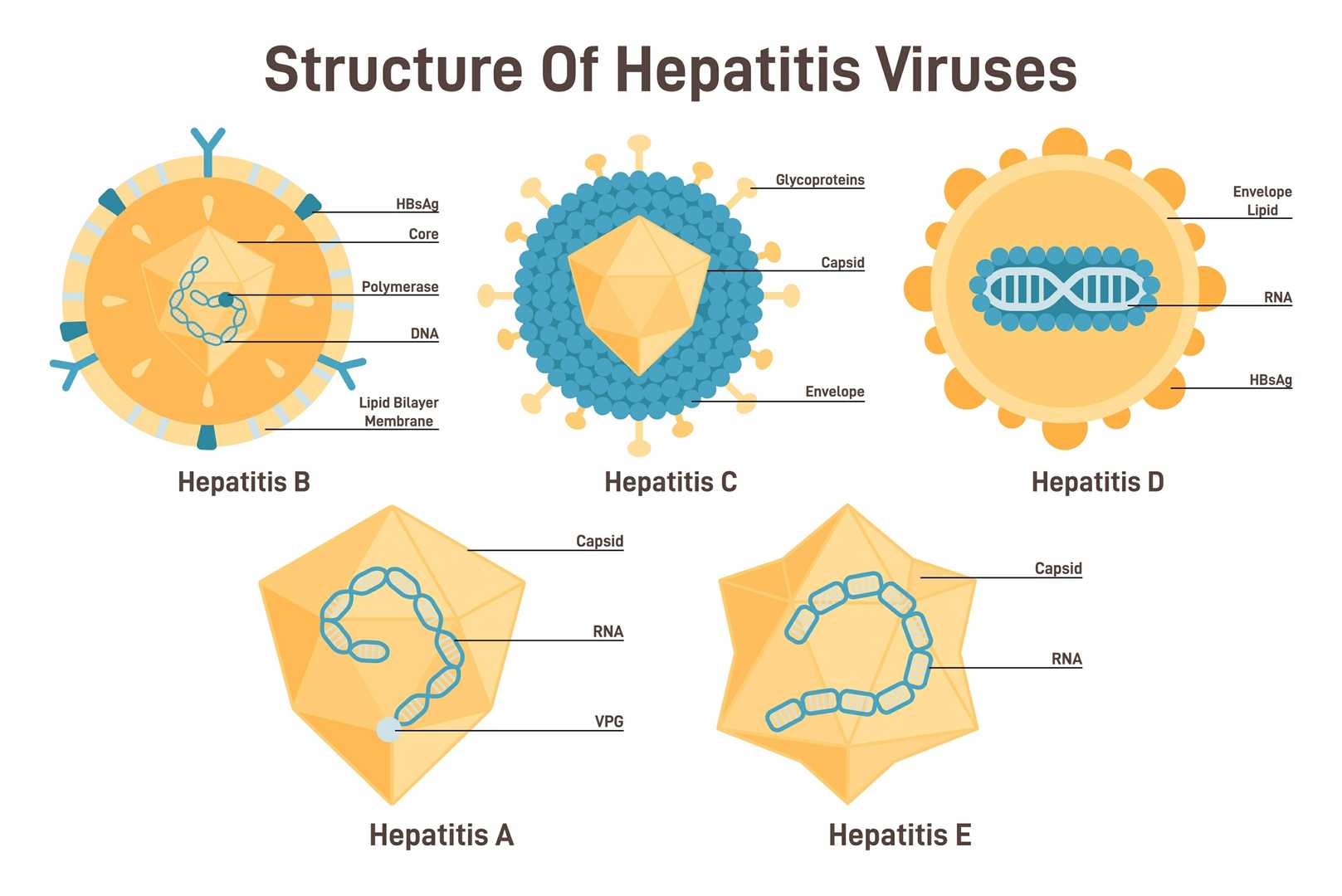 Figure 2. Structure of Hepatitis Virus.
Hepatitis A virus belongs to the small RNA virus family and the hepatitis virus genus. It is a single stranded positive stranded RNA virus, and its pathogenic process mainly relies on specific infection of liver cells, self replication, and induction of host immune response disorders. The specific mechanism is as follows:
| Diagnosis | Details |
| Cell adsorption and invasion stage | HAV first achieves initial adsorption by recognizing the human scavenger receptor class B type I (SR-BI) on the surface of liver cells - this receptor is a key gateway for virus invasion into liver cells. At the same time, the tight junction protein Claudin assists SR-BI in transmitting endocytic signals, promotes the fusion of virus envelope and cell membrane, and accelerates the entry of virus particles into the cytoplasm. |
| Virus genome replication stage | After entering the cytoplasm, HAV releases genomic RNA and initiates replication. Its internal ribosome entry site (IRES) mediates the translation initiation of viral RNA independent of the cap structure, thereby recruiting host ribosomes (such as the 40S subunit) and translation initiation factors (eIF4G, eIF2 α, etc.) to synthesize viral polyproteins. |
| Stage of immunopathological injury | HAV has weak direct toxicity to liver cells, and its pathogenicity mainly stems from abnormal activation of host immune response: viral structural proteins (VP1, VP3) act as antigenic epitopes, activating CD80 cytotoxic T lymphocytes (CTLs). At the same time, viral infection can induce liver cells to secrete cytokines such as interferon (IFN) and tumor necrosis factor (TNF). These cytokines bind to receptors such as IFNAR and TNFR on the cell surface, leading to liver cell apoptosis and necrosis. |
| Stage of virus release and transmission | Mature virus particles are mainly released through hepatocyte apoptosis or exocytosis: in the apoptotic pathway, caspases (Caspase-3, Caspase-8) are activated, disrupting the structure of liver cells and creating conditions for virus release. |
Chimpanzees and marmosets are susceptible to HAV and can be passaged. Oral or intravenous injection can cause hepatitis in animals, and HAV can be detected in liver cell freezing. During the latent and early acute phases, HAV can be excreted with feces, and corresponding antibodies against HAV can be detected in the serum during the recovery period. In 1979, Provost et al. successfully cultured a strain that had been adapted for passage in marmosets into the original marmoset liver cells or rhesus monkey embryonic kidney cells FPhK6 strain for the first time. Chinese scholars have also successfully promoted the proliferation of HAV in liver cancer cell lines. Viruses can proliferate in tissue cultured cells. But it does not cause cellular pathology, and both proliferation and cell release are very slow. Immunofluorescence assay can be used to detect HAV in tissue cells, and radioimmunoassay can also be used to detect HAV from cell lysate.
The diagnosis of hepatitis A can be based not only on clinical symptoms, signs, various laboratory tests, and epidemiological data, but also on serological and pathogenic methods—among which serological methods commonly include HAV ELISA Kits (for quantitative detection of HAV-related antibodies/antigens) and HAV Rapid Test Kits (for rapid qualitative screening of HAV infection). In addition, the development of molecular biology has also provided new methods for detecting pathogens.
| Diagnosis | Details |
| Rapid Diagnosis of Viruses | In the past, antigen and antibody immunological tests, complement binding tests, and coagulation tests were commonly used to detect hepatitis A virus. However, in recent years, third-generation immunological methods with high sensitivity and specificity, such as radioimmunoassay (RIA) and enzyme immunoassay (EIA), have replaced the aforementioned methods. These techniques can be used to detect hepatitis A virus antigens in clinical specimens. |
| Serological Diagnosis | The diagnosis of acute hepatitis A virus infection can be made by detecting IgM antibodies against hepatitis A virus in the serum during the acute phase of onset. The antibody reaches its peak within a few weeks after onset and then sharply decreases. Five months after onset, 50% of patients tested negative for IgM against hepatitis A virus. |
| Molecular Biology Detection Technology | Partial genes of the hepatitis A virus genome have been cloned, and cDNA probes prepared from these genomes can be used to determine the RNA of the hepatitis A virus through cDNA RNA hybridization. Hepatitis A virus and anti hepatitis A virus IgA can be detected from experimentally infected silk monkeys and convalescent fecal samples using radioimmunoassay and molecular hybridization methods. In addition, the RT-PCR method can be used to detect the nucleic acid of hepatitis A virus. |
1. Isolation of patients: Patients in preschool institutions should be isolated for 40 days. In epidemic areas, patients and close contacts are generally observed for 4-6 weeks. Patients undergoing home isolation treatment must strictly adhere to personal hygiene regulations, and items used by patients must be disinfected carefully.
2. Cut off transmission routes: The focus is on implementing hygiene measures such as water source protection, drinking water disinfection, food hygiene, food disinfection, strengthening personal hygiene, and fecal management.
Reference
| Target | Cat. No. | Product Name | Host | Isotype | Application | |
| HAVCR2 | DMABB-JX305 | Rabbit Anti-Human TIM3 (Hepatitis A virus cellular receptor 2) monoclonal antibody, clone SN559 | Rabbit | IgG | IHC, WB | Inquiry |
| Target | Cat. No. | Product Name | Host | |
| KIM-1 | DAGPY17215 | Recombinant Hepatitis A Virus Cellular Receptor 1 (KIM-1) [His] | KIM-1 | Inquiry |
| HAV | DAG4428 | Native Hepatitis A Virus Antigen | HAV | Inquiry |
Loading ......
