
Inquiry Basket
 Loading ......
Exendin-4, a glucagon like peptide-1 (GLP-1) receptor agonist, is a key drug for the treatment of type 2 diabetes. Like many protein based therapies, its administration can sometimes lead to the production of anti drug antibodies (ADAs), which can affect drug efficacy and patient safety. Understanding and quantifying these ADAs is crucial for drug development, clinical trials, and post market monitoring.
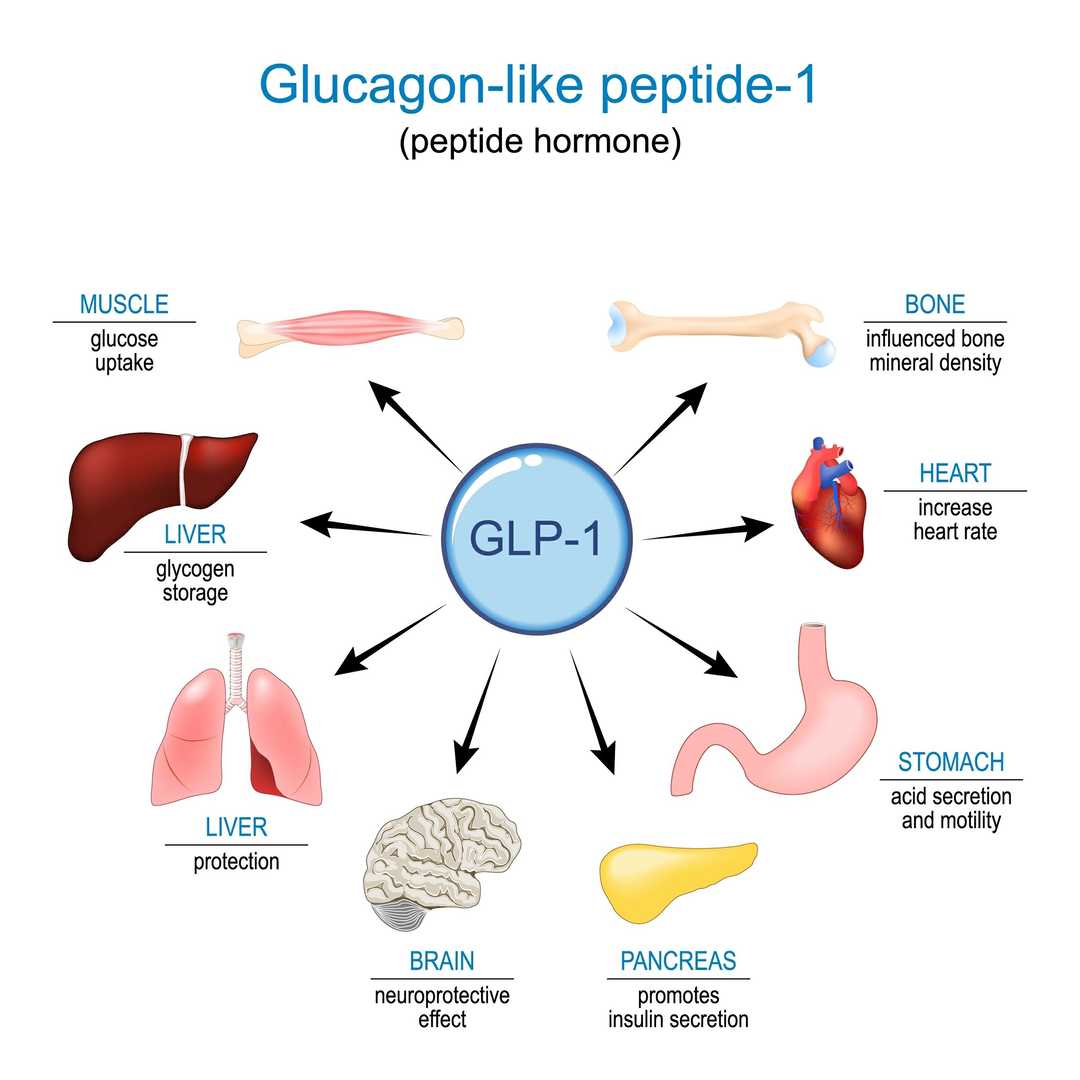 Figure 1. Glucagon like peptide-1.
Exendin-4,also known as exenatide, it is a synthetic peptide of 39 amino acids that shares sequence homology with human GLP-1. As a GLP-1 receptor agonist, it stimulates insulin secretion in a glucose dependent manner, inhibits glucagon secretion, slows down gastric emptying, and promotes satiety. These actions help improve blood sugar control and weight loss in patients with type 2 diabetes. Exendin-4 has been proven to be an effective treatment option. However, as a non-human derived peptide (originally isolated from the saliva of the Gila monster Heloderma suspectum), it carries an inherent risk of triggering an immune response in humans.
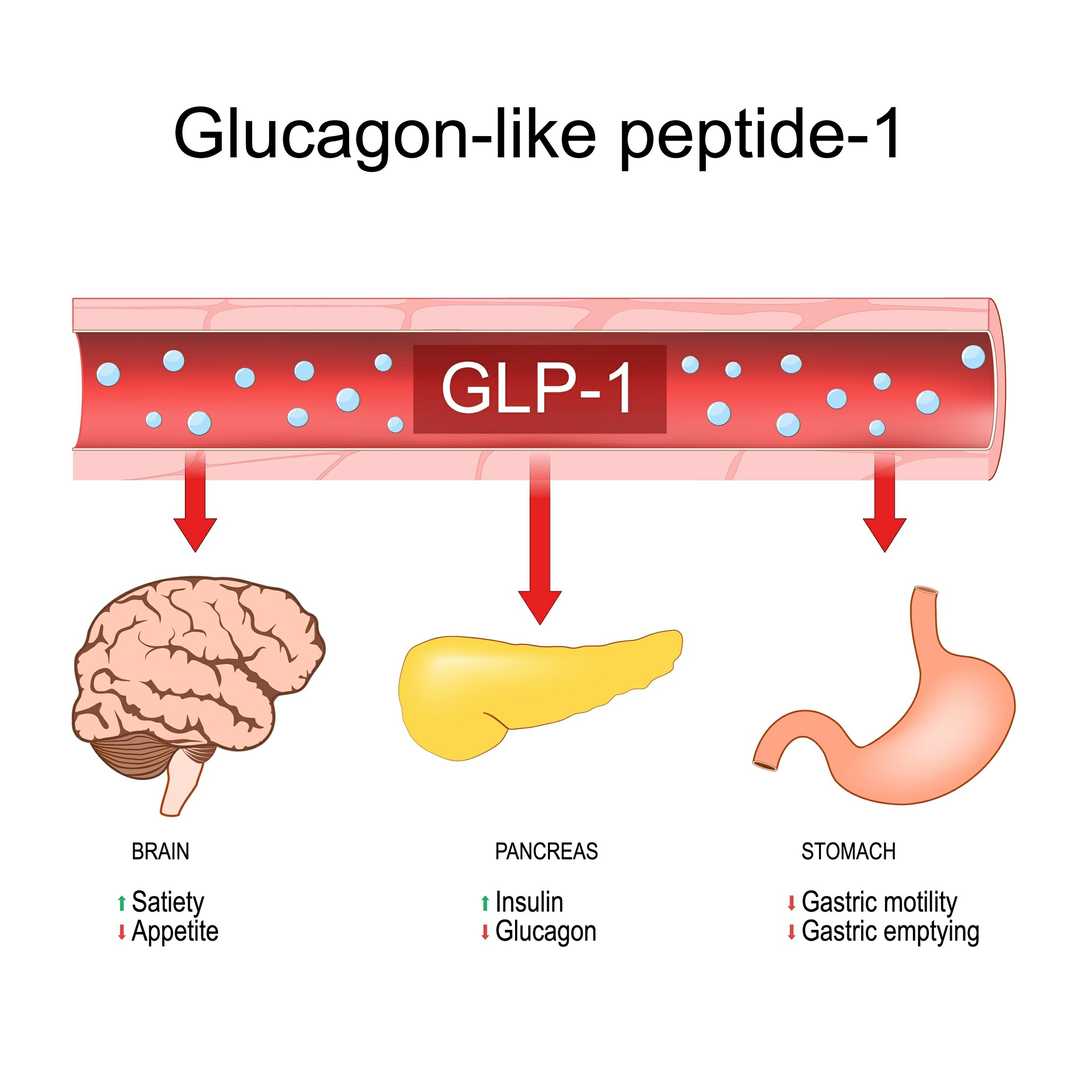 Figure 2. GLP-1 receptor.
ADA detection usually involves a multi-tiered strategy. First, a screening analysis is conducted, followed by a confirmatory analysis, and if the ADA is positive, feature analysis (e.g., neutralization analysis, epitope mapping) is performed. The initial screening test should be highly sensitive to detect even low levels of ADA because early detection may provide some clues about their clinical significance. Traditional ADA detection methods may not be sensitive enough to detect transient or low-titer ADA, which may result in false negatives. This is where the high-sensitivity ELISA protocol becomes indispensable, as it provides the ability to detect trace amounts of ADA, thereby offering more comprehensive immunogenic features.
The basic principle of ADA-ELISA involves coating a microtiter plate with a therapeutic drug (in this case Exendin-4). Then add the patient's serum or plasma sample into the well. If ADA is present in the sample, they will bind to the fixed Exendin-4. After washing away unbound components, add detection antibodies, usually anti human IgG (or IgE/IgM, depending on the monitored immune response) that bind to enzymes such as horseradish peroxidase HRP. This detection antibody binds to captured ADA. Finally, add the substrate of the enzyme and measure the resulting colorimetric or chemiluminescence signal, which is proportional to the content of ADA.
Realizing high sensitivity of ADA detection ELISA involves several key considerations and optimizations:
It is crucial to carefully titrate the concentration of Exendin-4 used for coating the sheet. Excessive antigen can lead to high background, while insufficient antigen can reduce the binding sites of ADA, affecting sensitivity.

Patient samples (serum/plasma) contain various components that may interfere with the measurement (matrix effects). Optimizing sample dilution can alleviate these effects while maintaining the detectability of ADA. Preprocessing steps, such as acid dissociation, can also be used to dissociate ADA drug complexes and detect bound ADA.

Using highly active enzymes (such as HRP) and highly sensitive substrates. Chemical luminescent substrates such as ELISA Femto Maximum Sensitivity Substrate or enhanced colorimetric substrates can significantly amplify signals. Compared to colorimetric substrates, chemiluminescent substrates typically have a wider dynamic range and higher sensitivity.

Effectively blocking non-specific binding sites on the plate is crucial for reducing background noise and improving signal-to-noise ratio. Tested the optimal performance of various blockers, such as BSA, skim milk, and commercial blockers.

High quality board readers that can detect low light signals (for chemiluminescence) or accurately read absorbance are required. Specialized software for data analysis, including curve fitting and statistical analysis, is also crucial.

High Throughput
The ELISA platform is naturally well suited for high-throughput processing and is ideal for screening large numbers of patient samples as needed in large-scale clinical trials.

Regulatory Compliance
The need for sensitive and robust immunogenicity testing has been recognized. The high-sensitivity ELISA protocol described here can help meet their strict requirements and ultimately support drug approval and market access.

Early Detection of ADA
Detecting low levels of ADA early in the treatment course allows you to take corrective action against potential safety and efficacy issues. This can be especially important for transient ADA responses.
High sensitivity ELISA is a critical tool in immunogenicity analysis in Exendin-4. The process of preparing Exendin-4, from preclinical research and development to clinical use, involves a range of tests and schemes to ensure the safety and efficacy of the drug. High sensitivity ELISA is the most commonly used method for detecting ADA and its ability to accurately and sensitively detect drug-resistant antibodies against Exendin-4 is unmatched. The application of optimized ELISA allows drug developers and clinicians to accurately evaluate the immunogenicity potential of Exendin-4 and make informed treatment decisions to improve patient prognosis. With the continuous development of biological therapy technology, the high-sensitivity ELISA technology should also be continuously improved to better address the challenges of immunogenicity analysis.
| Cat. No. | Product Name | Size | Species Reactivity | Application | Detection Method | |
| DEIA-BJ815 | Exendin-4 (Heloderma suspectum) - ELISA Kit | 96T | N/A | Quantitative | cELISA | Inquiry |
| DEIA-XYZ77 | Rat Exendin-4 ELISA Kit | 96T | Rat | Quantitative | cELISA | Inquiry |
| DEIABL227 | Human Exendin-4 ELISA Kit | 96T | N/A | Quantitative | cELISA | Inquiry |
| DEIABL206 | Exendin-4 (Exenatide®) - ADA ELISA | 96T | Human | Quantitative | sELISA | Inquiry |
| DEIA10583 | Heloderma Suspectum Exendin-4 ELISA Kit | 96T | N/A | Quantitative | Competitive ELISA | Inquiry |
| DEIA-BJ815 | Exendin-4 (Heloderma suspectum) - ELISA Kit | 96T | N/A | Quantitative | cELISA | Inquiry |
Loading ......
