
Inquiry Basket
 Loading ......
Avian infectious bronchitis (IB) emerges as an acute contagious condition in chickens due to the infectious bronchitis virus (IBV). The disease leads to severe health issues and high transmission rates which damage hens' reproductive systems thereby causing a drop in egg production and reduced egg quality. IBV represents a significant threat to global poultry production while causing $150 million in yearly economic damage within the United States alone. Susceptible chicks may experience mortality rates reaching 90%, but adult hens infected with the virus lay 30%-50% fewer eggs. Through respiratory, renal and reproductive tract pathways the virus attacks multiple tissues and produces systemic damage which gets worse from secondary bacterial infections such as Escherichia coli leading to higher mortality rates and processing plant rejection levels.
The virus IBV is classified within the Gamma-coronavirus genus which contains a genome of around 27,000 base pairs structured into six distinct genetic segments. Two-thirds of the genome is occupied by Gene 1 which mainly produces nonstructural proteins. The final third of IBV genes (2–6) contains sequences for four structural proteins which include spike (S), envelope (E), membrane (M), and nucleocapsid (N) proteins along with four accessory proteins designated as 3a, 3b, 5a, and 5b. The spike protein consists of 3,400 nucleotides which splits into S1 and S2 subunits after post-translational modification with S1 representing the N-terminal and S2 representing the C-terminal. The S1 subunit functions as the receptor-binding domain and shows immunogenic properties containing numerous neutralizing antibody epitopes. As the smallest structural component, the E protein demonstrates ion channel activity and collaborates with the M protein during viral budding, assembly, and release. The M protein dominates viral protein composition, driving virion assembly and maturation. The 40–50 kDa N protein binds viral RNA to form the protective nucleocapsid structure.
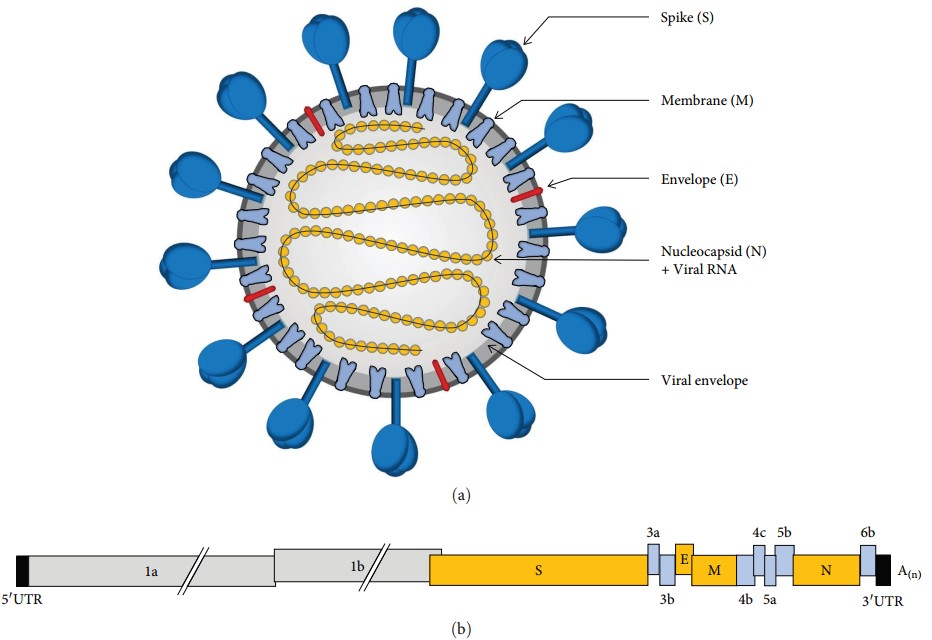 Figure 1. Schematic diagram of infectious bronchitis virus
(Source: Abozeid H. 2023)
Attenuated live IB vaccines are prepared by inoculating IBV strains into chicken embryos and weakening them through serial passages while maintaining good immunogenicity. However, the immune protection is relatively short-lived, requiring booster vaccinations with the same or combined strains 2-3 weeks after initial administration to achieve effective immunity. Currently, Mass-type H120 and H52 strains are the most widely used attenuated live vaccine strains worldwide. The production process for attenuated live vaccines is simple, cost-effective, and convenient, requiring only spray or drinking water administration for herd immunity, simultaneously inducing both cellular and humoral immunity in poultry. Developing attenuated live vaccines requires significant time because they maintain some pathogenic properties despite attenuation through passages which can cause IB spread in flocks. Attenuated vaccines risk virulence reversion or instability while multiple vaccines used together can induce strain recombination between vaccine types or with wild strains to create new serotypes.
Inactivated vaccines employ physical or chemical methods to eliminate viral pathogenicity while preserving antigenicity, offering superior safety with no risk of virulence reversion. Research shows that vaccines which protect against avian influenza, Newcastle disease, and infectious bursal disease together as multivalent preparations have favorable immunogenicity when used as trivalent vaccines. The major drawbacks of these vaccines consist of brief immunity that requires repeated dosing, the need to administer live attenuated vaccines or add high-dose adjuvants which raises costs and adds complexity, and possible immune interference or rejection reactions which vary depending on injection site location. While showing optimal efficacy against endemic IBV strains, inactivated vaccines demonstrate broader applicability for localized viral variants compared to other formulations.
 Figure 2. Types of infectious bronchitis virus vaccines
(Source: Abozeid H. 2023)
A. Cross-Protection Gaps
The HVR I (38-67aa), HVR II (91-141aa), and HVR III (274-387aa) regions of the S1 protein are critical for immune evasion. Phylogenetic analysis of Italian IBV isolates reveals amino acid substitution rates of 15%-25% in these hypervariable regions (HVRs), enabling wild-type strains to evade neutralization by vaccine-induced antibodies. For instance, QX-like strains exhibit only 77.1% S1 HVR homology with Mass-type vaccine strains, coupled with significant divergence in neutralizing epitopes. Subsequent studies report further differentiation of QX-type strains into multiple serosubtypes, exacerbating vaccine efficacy erosion.
B. Limitations of Live Vaccines
Live attenuated vaccines (e.g., BeauR strain) carry demonstrated risks of virulence reversion, as seen in PRRS vaccines: amino acid mutations post-vaccination restore viral pathogenicity in hosts. Additionally, maternal-derived antibodies (MDA) critically disrupt early immunization. For example, 1-day-old chicks vaccinated with H5N1 vaccines show 0% protection due to MDA-mediated neutralization of vaccine antigens, whereas delaying vaccination to 12 days old elevates protection rates to 70%.
C. Shortcomings of Inactivated Vaccines
Inactivated vaccines primarily stimulate humoral immunity while lacking mucosal IgA antibody production, resulting in insufficient local respiratory protection. Experimental data demonstrate tracheal viral loads in inactivated-vaccinated chickens are 10-fold higher compared to live-vaccinated counterparts. Furthermore, these vaccines require multiple doses and incur high production costs. For instance, reverse genetics-derived vaccines face a 30% increase in developmental costs due to mandatory GMO regulatory reviews.
 Figure 3. Summary of major IB vaccines and important limitations associated with the vaccine types
(Source: Bande F, et al. 2015)
Subunit vaccines are developed through genetic engineering by expressing specific immunogenic antigens of virulent pathogens in high-efficiency expression systems, followed by antigen purification. These vaccines offer enhanced safety, non-toxicity, low production costs, and high economic returns. For IBV, the S protein gene serves as the primary immunogen. Studies report that recombinant full-length S1 protein immunization in mice generates IBV-specific neutralizing antibodies. Researchers successfully expressed the S1 protein of IBV GX-YL5 strain using a baculovirus expression system in insect cells, confirming its suitability as a preferred target for subunit vaccines. Additionally, the N protein contains substantial antigenic determinants, with higher antigenic indices compared to the S protein. The detection of Linear B-cell epitopes on the N protein proves its viability as an alternative antigen for IBV subunit vaccine development and opens up new research pathways. Subunit vaccines display reduced immunogenicity compared to other vaccine forms and require potent adjuvants for efficacy enhancement while failing to offer wide application like live vaccines.
The process of constructing recombinant viral vector vaccines involves molecular genetic engineering which places protective antigen genes of pathogens into non-essential genomic sections of carrier viruses such as poxviruses or adenoviruses. Using poxvirus as a vector to express the S1 protein created a genetically modified IBV vaccine which shows strong safety profiles along with harmless replication in vivo and produces strong immune responses. Poxvirus vector vaccines show high efficiency and low cost benefits along with durable immunity but comparative studies show equivalent effectiveness to attenuated vaccines but poxvirus-vaccinated animals maintain lower antibody levels than those who received attenuated vaccines. Further optimization of poxvirus vector vaccine platforms is required to improve their performance.
Recombinant bacterial vector vaccines represent an emerging category alongside viral vector vaccines within the active carrier vaccine classification. These bacterial platforms primarily utilize attenuated Salmonella and Mycobacterium strains. Bacterial vectors offer advantages including convenient cultivation, short production time, easy amplification, and low virulence after modification. They can simultaneously deliver multiple antigens and immunoenhancing eukaryotic expression plasmids. The protective efficacy of recombinant vaccines using attenuated Salmonella typhimurium vectors for IBV S1 gene expression matches that of both attenuated and inactivated vaccines. Mycobacterium-based recombinant vaccines for IBV produce strong immune responses to protect SPF chickens from challenges with corresponding virulent strains. Bacterial vector vaccines face considerable safety issues because attenuated recombinant strains can regain their virulence after immunization and lead to tissue damage. These vaccines produce different levels of immunological tolerance during host immunization which diminishes their protective efficiency and restricts their broad use in poultry farming.
Several research teams have explored chimeric IBV vaccine designs by replacing hypervariable regions (HVRs) of the S1 protein to broaden cross-genotype coverage. For instance, the rBeau-H120(S1e) vaccine, which substitutes the S1 ectodomain of the Beaudette strain with the corresponding region from the H120 strain, demonstrated 80% protection against M41 challenge-significantly outperforming traditional vaccines with 40% efficacy. The BeauR vector platform further reduces reversion risks by stably deleting virulence-associated genes (e.g., nsp3) while integrating the spike protein of virulent M41 into an attenuated backbone. In SPF chicken trials, the M41-S1 vaccine group achieved a 95% survival rate compared to 40% in conventional vaccine groups, alongside a 99% reduction in kidney viral loads and preserved tracheal ciliary integrity. Histopathological analyses confirmed minimal tissue damage in vaccinated birds. Additionally, mucosal sIgA induction by these vaccines effectively blocks viral colonization in respiratory tracts, enhancing localized immune defense.
The DNA and RNA-based nucleic acid vaccines work by transferring genetic codes that produce immune-stimulating proteins into our cells to initiate antigen expression from within and activate immune responses. Vector-free platforms used in nucleic acid vaccines induce immune responses via distinct pathways that avoid efficacy loss associated with vector interference in traditional attenuated or inactivated vaccines. DNA vaccines encoding the S1 protein demonstrate superior protection against viral challenge compared to those targeting the N gene, leading to the development of multivalent IBV DNA vaccines co-expressing S1, N, and M proteins. However, predominant reliance on intramuscular administration limits their practical application in poultry populations.
Vaccination stands as the primary method for controlling IB which continues to pose significant challenges to the poultry industry. A variety of conventional vaccines including both attenuated live vaccines and inactivated vaccines have found widespread application. The creation of IBV vaccines encounters a basic contradiction between standard technological methods and the fast-paced viral evolution. While traditional Mass-type and 4/91-type vaccines provide basic protection in localized regions, their cross-protection rates against emerging genotypes (e.g., GI-19/QX) fall below 50%, and challenges like virulence reversion in live vaccines and mucosal immunity deficiencies in inactivated vaccines continue to limit efficacy.
Recombinant vaccine technologies, leveraging S1 protein engineering (e.g., HVR region replacement) and reverse genetics systems, have achieved broad-spectrum coverage against multiple genotypes, elevating challenge protection rates to 95% while significantly reducing production costs and biosafety risks. The constant recombination of field strains such as frequent mutations at S1/S2 cleavage sites combined with immunization protocol gaps like maternal antibody interference on farms form critical bottlenecks that need immediate solutions. The development of new vaccine platforms and improved immunization strategies will be vital for overcoming the ongoing challenges presented by IBV.
References
| Target | Cat. No. | Product Name | Size | Species | Application | Detection Sample | |
| IBV | DElABL40 | Chicken Infectious Bronchitis Virus IgY ELISA Kit | 96T | Quantitative | Serum, Plasma, other biological fluids | Inquiry |
| Target | Cat. No. | Product Name | Host | Isotype | Application | |
| Infectious Bronchitis Virus | CABT-CS223 | Chicken Anti-IBV (Ark.) Polyclonal antibody | Chicken | IgY | Inquiry | |
| CABT-CS224 | Chicken Anti-IBV (Conn.) Polyclonal antibody | Chicken | IgY | Inquiry | ||
| CABT-CS225 | Chicken Anti-IBV (DE-072) Polyclonal antibody | Chicken | IgY | Inquiry | ||
| CABT-CS226 | Chicken Anti-IBV (JMK) Polyclonal antibody | Chicken | IgY | Inquiry | ||
| CABT-CS227 | Chicken Anti-IBV (Mass.) Polyclonal antibody | Chicken | IgY | Inquiry | ||
| Infectious Bronchitis Virus Nucleoproteins | CABT-NS1130 | Rabbit Anti-Infectious Bronchitis Virus Nucleoproteins Monoclonal Antibody, clone C5P1 | Rabbit | IgG | WB, ELISA | Inquiry |
| IBV | DPATB-H81747 | Magic™ Anti-Infectious Bronchitis polyclonal antibody | Chicken | IgY | WB, ELISA, Neut | Inquiry |
Loading ......
