
Inquiry Basket
 Loading ......
The advances in the development and use of therapeutic proteins have brought significant benefits to medical care, from diabetes to cancer. However, it is often challenging to accurately monitor the proteins because they are complex biological substances. The high-sensitivity ELISA kit can be a good choice for scientists and doctors to quantitatively measure the therapeutic proteins at low concentrations, which is beneficial for the pharmacokinetic study and the therapeutic drug monitoring.
 Figure 1. Therapeutic Protein Monitoring. (Griss, Rudolf, et al. 2014)
Elisa biological assay is a highly sensitive, specific, and reproducible experimental diagnostic method. Due to its stable reagents, easy storage, simple operation, and objective result judgment, it has been widely used in various fields of immunological testing. The foundation of immunoassay technology lies in the specific binding reaction between antigens and antibodies, so any high-quality diagnostic reagent cannot do without high-quality raw materials such as antigens, antibodies, enzymes, etc. With the demand for therapeutic proteins, accurate quantification and dynamic monitoring of the product is needed throughout the drug development and clinical trial process. Therefore, the high sensitivity ELISA kit can be used to accurately measure even at low concentrations.
The progress of therapeutic proteins has brought us unprecedented treatment of diseases, such as cancer, autoimmune diseases, infectious diseases and genetic diseases. High sensitivity ELISA kits can provide excellent support in the following areas:

PK studies: PK studies measure the long-term effects of drugs on human body including absorption, distribution, metabolism and excretion. Quantification of therapeutic protein concentration in biological samples (serum and plasma) is important for setting proper dosing regimens, predicting drug exposure and studying drug distribution. With the high-sensitivity ELISA kit, therapeutic protein concentrations can be measured at various levels from initial high doses to trough concentrations.

PD studies: PD studies assess the effects of drugs on the human body including the mechanism of action and the extent of the therapeutic effect. Therapeutic protein effects can be measured through various biomarkers. However, understanding the relationship between drug concentration and response often requires PK data obtained through high-sensitivity detection.

Immunogenicity assessment (ADA testing): Therapeutic proteins are often highly immunogenic and can be neutralized by patient-generated drug-resistant antibodies (ADA). ADA neutralizes the activity of therapeutic proteins, affects PK and may also cause adverse immune reactions.
Therapeutic protein monitoring ELISA kits with high sensitivity can be classified into two types:
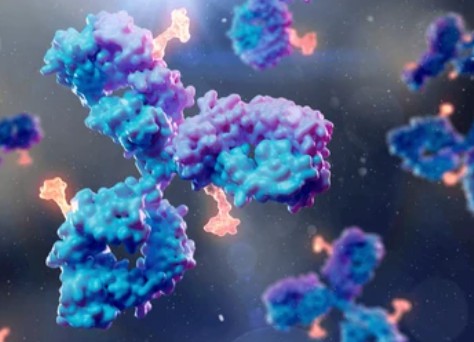
Pharmacokinetic (PK) ELISA kit: PK ELISA kit is used to measure the concentration of therapeutic proteins in biological samples. Sandwich ELISA detection is often used in this type of kit. The capture antibody can capture the therapeutic protein, while the other (enzyme-linked antibody) can detect the therapeutic protein. This kind of detection method is specific and sensitive. The following therapeutic protein assay kits are often used to detect semaglutide, remdesizumab, fexostat and other kinds of drugs.

Anti-drug antibody (ADA) ELISA kit: ADA ELISA kit is used to detect and measure the concentration of antibodies produced by patients against therapeutic proteins. Because of the variety of ADA, the detection method is usually more complicated. Bridging ELISA (therapeutic proteins are used as a bridge between ADA) or direct binding detection can be used to detect ADA. High sensitivity is required for ADA detection, as a low-level immunogenic reaction can have a negative impact on drug effect.
The high-sensitivity ELISA kits are used for measuring therapeutic proteins:
Our ELISA kit or Therapeutic Protein Monitoring series are designed to support the entire lifecycle of protein drug development.. These solutions utilize innovative detection chemistry and proprietary antibody pairs to provide excellent sensitivity and extremely low cross reactivity, ensuring reliable data even in the most challenging sample types. The main products include:
| ELISA Kit | Application |
| Liraglutide High Sensitivity ELISA Kit | The kit is a competitive inhibition enzyme immunoassay technique for the in vitro quantitative measurement of liraglutide in serum, plasma. |
| Eculizumab ELISA Kit | Enzyme immunoassay for the specific and quantitative determination of free Eculizumab (Soliris) in serum, plasma and cell culture samples. |
| Semaglutide ELISA Kit | Semaglutide ELISA Kit is a competitive inhibition enzyme immunoassay technique for the in vitro quantitative measurement of Semaglutide in serum and plasma. |
| Anti-Ramucirumab ELISA Kit | Qualitative Antibodies to Ramucirumab ELSA has been especially developed for the qualitative analysis of antibodies to ramucirumab in serum and plasma samples. |
Reference
Loading ......
