
Inquiry Basket
 Loading ......
The FLAG-tag is a short, eight-residue hydrophilic peptide tag, which is also known as DYKDDDDK tag (D=Aspartic acid; K=Lysine; Y=Tyrosine) that can be used for detection and purification of target proteins. The tag is of 1012.9 Daltons, or roughly 1 kDa, and added either to the C-terminal or N-terminal of a protein. Moreover, the tag is also used in tandem formation, which means multiple tags are added adjacent to each other. Commonly the 3xFLAG peptide: DYKDHD-G-DYKDHD-I-DYKDDDDK (with the final tag encoding an enterokinase cleavage site).
There are some chemical characteristics of the FLAG tag, Specificity of interaction (KD)– corresponding to the antibody: 100 nM (3); Tandem use: Can be used in tandem or as or as 3xFLAG; Affinity tag use: Can be used in combination with affinity tags; Binding to magnetic bead or purification resin: Binds via DYKDDDDK Flag tag antibody (approx. 150 kDa); Affinity matrix: Anti-FLAG Antibody (such as anti-DYKDDDDK).
The FLAG tag has major application in protein purification from mammalian expression systems or cell lines and in studies like immunoprecipitation, immunofluorescence, ELISA, immunostaining, SDS-PAGE protein electrophoresis, flow cytometry, or western blotting assays.
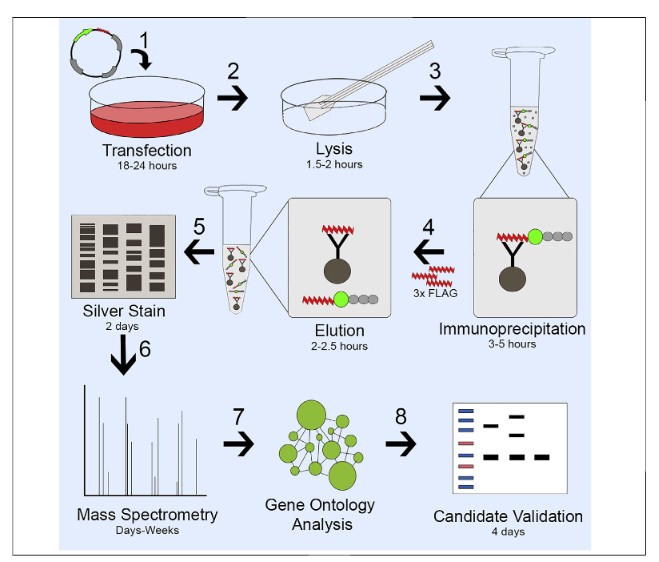 Fig 1. Protocol for Immuno-Enrichment of FLAG-Tagged Protein Complexes – ScienceDirect
(Source: STAR Protocols, 100083 September 18, 2020)
FLAG-tag has been used to separate recombinant, overexpressed protein from wild-type protein expressed by the host organism. FLAG-tag can also be used in the isolation of protein complexes with multiple subunits, because FLAG-tag's mild purification procedure tends not to disrupt such complexes. The steps involved in the workflow are: The FLAG tags are attached to the N-terminus or C-terminus of the target proteins. The tagged protein binds to the specific monoclonal antibodies conjugated on the matrix of magnetic beads or agarose gel. The residual impurities are washed off using the reagent washing buffer. Then, the bound proteins are eluted off the affinity column using a low pH buffer or a high concentration of the FLAG tag peptide.
FLAG is commonly used as a fusion expression tag in which it does not typically interact with the target protein, and therefore does not impact the target protein's physical and chemical properties, as well as its metabolic functions. The target protein fused with FLAG can be directly performed affinity chromatography through FLAG. This chromatography is non-denaturing purification, which can purify the active fusion protein with high purification efficiency.
The target protein fused with FLAG tag can be directly performed affinity chromatography through FLAG. This chromatography is non-denaturing purification, which can purify the active fusion protein with high purification efficiency.
Due to its high antibody recognizability, FLAG is a convenient choice for laboratory techniques such as western blotting and ELISA.
Loading ......
