
Inquiry Basket
 Loading ......
LPS molecules function as endotoxins which form vital parts of Gram-negative bacterial outer membranes. These molecules act as key elements of bacterial virulence since their strong pyrogenic and immunogenic characteristics induce multiple immune responses in humans. Endotoxins released into medical products and materials through bacterial cell wall disruption from cell death or lysis pose significant health risks.
Creative Diagnostics develops Anti-Endotoxin Monoclonal Antibodies and Endotoxins ELISA kits specifically designed to satisfy rigorous standards in vaccine research and manufacturing:
Anti-Endotoxin Monoclonal Antibodies
Endotoxins ELISA kits
Endotoxins represent intricate molecular structures that include three primary domains:
O-antigen: The antigenic properties of the toxin depend upon the polar heteropolysaccharide arrangement of the O-antigen. The immune specificity of endotoxins results from the variation in their structural configuration across different bacterial strains.
Core oligosaccharide: The connected oligosaccharide structure connects lipid A to the O-antigen.
Lipid A: The non-polar lipid moiety secures the endotoxin position in the bacterial outer membrane. Lipid A drives endotoxin bioactivity which maintains strong conservation across bacterial species yet exhibits variable potency based on its phosphorylation and fatty acid composition.
 Figure 1. Illustration of the lipopolysaccharide biochemical structure existing in the outer membrane of gram-negative bacteria. (Source: Su W, Ding X. 2015)
The immune system responds to endotoxins by initiating multiple signaling pathways. The protein called LBP which hepatocytes mainly produce attaches to the lipid A component of endotoxins and its binding enables subsequent recognition by the TLR4 and MD-2 receptor complex across different cell types. This interaction triggers TLR4 signaling pathways to produce pro-inflammatory cytokines via TIRAP-MYD88 and Type I interferons through TRAM-TRIF pathways. Intracellular inflammatory caspases detect cytosolic endotoxins which triggers pyroptosis and activates the NLRP3 inflammasome resulting in the secretion of IL-1β and IL-18 cytokines.
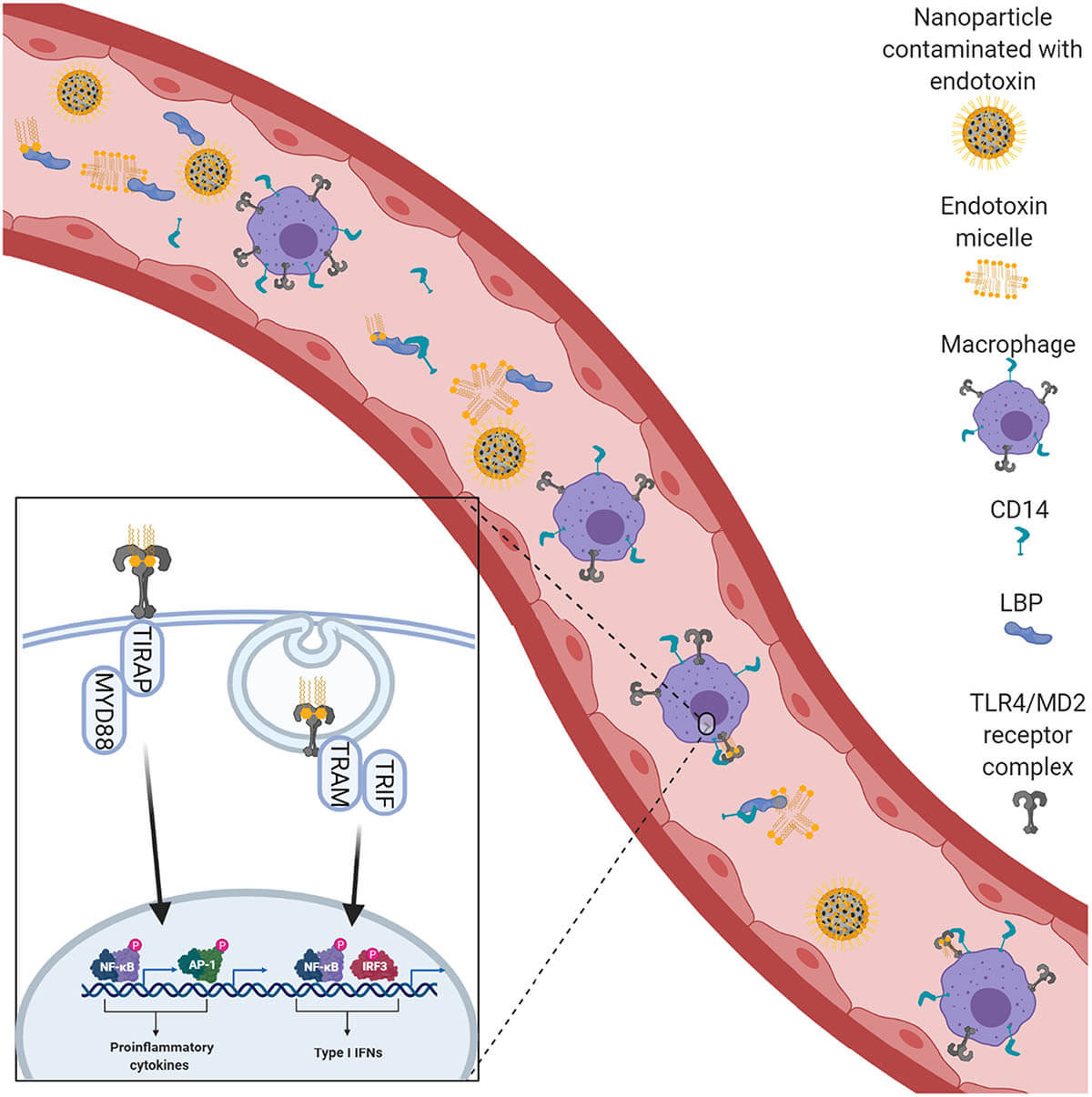 Figure 2. Endotoxin signaling and downstream effects. (Source: Hannon G, Prina-Mello A. 2021)
Endotoxins trigger the inflammatory cascade that may advance into sepsis followed by septic shock. Sepsis presents as a life-threatening disorder marked by an uncontrolled immune reaction to infection which progresses to septic shock when it includes sustained low blood pressure and organ failure. The presence of high endotoxin levels in the blood triggers an excessive inflammatory reaction which surpasses the body's immune system capabilities leading to organ damage and possible fatality. Research demonstrates that minimal endotoxin levels trigger substantial inflammatory reactions which underscores the need for effective detection and control of endotoxin exposure in healthcare environments.
Many Gram-negative bacteria produce endotoxins which include:
| Bacterial Species | Diseases Caused | Role of Endotoxins |
| Escherichia coli (E. coli) | Urinary tract infections, gastrointestinal infections, and sepsis | Endotoxins provoke strong immune reactions, contributing to pathogenic effects. |
| Salmonella | Salmonella Typhi causes typhoid fever; Salmonella enterica causes foodborne illnesses | Endotoxins aid bacterial colonization, invasion, and survival within host cells. |
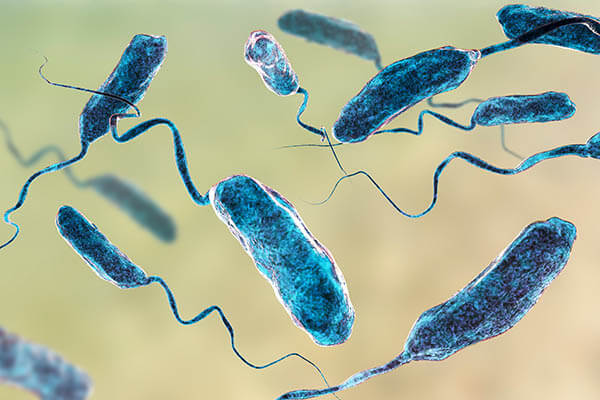
| Vibrio cholerae | Cholera (presenting as severe diarrhea) | Endotoxins increase bacterial virulence, leading to intestinal fluid loss in cholera. |
Check out our range of Excellent Featured Products for more information:
The development of effective sepsis treatments and diagnostic tools demands a thorough understanding of endotoxins' structural composition and their pathogenic impact. Clinical methods to identify and measure endotoxin levels face significant hurdles yet play a crucial role in enhancing patient care results. The ongoing research into endotoxin biology could lead to new methods for neutralizing these molecules which promise to decrease deaths and health complications from diseases caused by endotoxins.
If there are any questions or want to see detailed information, just simply contact us or submit an online inquiry (click on the product details page and scroll to the bottom) to receive our dedicated support!
Loading ......
