
Inquiry Basket
 Loading ......
Cytokines are a group of small biological activity molecules that are produced and secreted by immune cells (monocytes, macrophages, T cells, B cells, NK cells, etc.) and some non immune cells (endothelial cells, epidermal cells, fibroblasts, etc.) after being stimulated. It has functions such as regulating innate immunity, acquired immunity, blood cell formation, cell growth, APSC multipotent cells and repairing damaged tissues. Cytokines also play an important role in cell therapy and can be applied in the research and production processes of stem cell therapy, tumor immunotherapy, and regenerative medicine. With the rapid development of the field of cell therapy, the corresponding issues of quality and production standards are receiving increasing attention.
To keep the body's physiological state normal, resist the invasion of pathogenic microorganisms and prevent the development of tumors, many cells in the body, especially immune cells, synthesize and secrete various trace peptide factors. They are involved in cell-cell information transmission, regulation of cellular physiological processes, improvement of body immunity, and can also induce pathological processes such as fever, inflammation, shock, etc. in abnormal conditions. There are more than a hundred types of cytokines that have been discovered. They are collectively referred to as cytokines, such as lymphokines secreted by lymphocytes and monocytes, and various growth factors. Many cytokines are named according to their functions, such as interleukin (IL), interferon (IFN), colony-stimulating factor (CSF), tumor necrosis factor (TNF), and erythropoietin (EPO).
From a molecular structure perspective, cytokines are small molecule peptides, mostly composed of around 100 amino acids. Cytokines exert their biological effects by specifically binding to cytokine receptors on the surface of target cells. These effects include promoting the proliferation and differentiation of target cells, enhancing anti infective and anti-tumor cell effects, promoting or inhibiting the synthesis of other cytokines, promoting inflammatory processes, and affecting cell metabolism. The effects of cytokines have a networked characteristic, that is, each cytokine can act on multiple cells; Each type of cell can be regulated by multiple cytokines; Different cytokines have synergistic or mutually restrictive effects, forming a complex cytokine immune regulatory network.
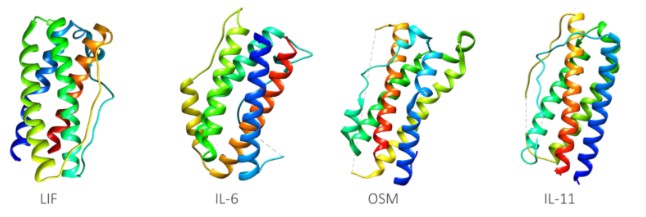 Figure 1. Structure of Cytokines.( Gonçalves, Anabela, et al, 2020)
Numerous cytokines share the following common characteristics of action.
(1) The vast majority of cytokines are glycoproteins with a mass of less than 25 kDa, while low-quality ones such as IL-8 are only 8 kDa. Most cytokines exist in monomeric form, while a few cytokines such as IL-5, IL-12, M-CSF, and TGF - β exert their biological effects in a dimeric form. Most genes encoding cytokines are single copy genes (excluding IFN - α) and consist of 4-5 exons and 3-4 introns.
(2) It is mainly related to regulating the immune response, hematopoietic function, and inflammatory response of the body.
(3) It usually acts on nearby cells or cytokine producing cells themselves in the form of paracrine or autocrine. Under physiological conditions, the vast majority of cytokines only exert their effects locally.
(4) High efficiency effects generally have significant biological effects at the pM (10-12M) level.
(5) There are not many corresponding high affinity receptors present on the surface of cells, ranging from 10-10000 per cell. The research progress of cytokine receptors is quite rapid.

Enzyme Linked Immunoassay (ELISA) assay: Enzyme linked immunosorbent assay (ELISA) is a qualitative and quantitative detection method that utilizes the specific binding of soluble antigens or antibodies onto solid carriers such as polystyrene for immune reactions. Its characteristics include good stability, high detection rate, large molecular weight, easy and fast operation, high sensitivity, strong specificity, and low requirements for experimental equipment.

Multiple Immunoassay: Both flow cytometry multi factor detection and Luminex multi factor detection are based on fluorescently labeled microspheres. The former uses fluorescently labeled microspheres of different colors, coated with specific capture antibodies on the surface, and detects fluorescence signals using flow cytometry to quantify multiple cytokines; The latter uses microspheres with different fluorescent characteristics to detect cytokines in the sample through fluorescently labeled secondary antibodies.

Flow Cytometry: Flow cytometry is a multi-protein quantitative detection method based on flow cytometry. By using fluorescently labeled microspheres and capture antibodies in the flow cytometer, the fluorescence signals are detected to achieve quantitative detection of multiple cytokines. This technology can also analyze the secretion of cytokines at the single-cell level. It is particularly suitable for the simultaneous detection of multiple factors in complex samples.

Quantification
Provide quantitative data on cytokine concentrations for accurate comparison of samples and monitoring of changes over time.

Specificity
Due to the use of two different antibodies to bind to different epitopes of cytokines, the specificity is high, especially in sandwich ELISA.

Cost effectiveness
Compared with some advanced technologies such as mass spectrometry, ELISA kits are usually more affordable, especially for routine cytokine detection.
Our line of ADA ELISA kits is designed to support the entire lifecycle of cytokine detection. These solutions utilize innovative detection chemistry and proprietary antibody pairs to provide excellent sensitivity and extremely low cross reactivity, ensuring reliable data even in the most challenging sample types. The main products include:
| ELISA Kit | Application |
| Filgrastim Elisa kit | For the qualitative determination of antibodies to filgrastim in human serum or plasma. |
| Human Papilloma Virus IgG ELISA kit | Enzyme Immuno Assay (EIA) for determination of IgG class antibodies to Human Papilloma Virus (or HPV) in human plasma and sera. The product is supplied for research purpose only. It is not for use in the diagnosis or for the follow-up of patients administered with the vaccines containing HPV antigens. |
The cytokine detection ELISA kit is an important tool for researchers to quantify specific cytokines in biological samples. They have high sensitivity, specificity, and quantitative properties, making them the cornerstone of immunological research and disease diagnosis. Although traditional ELISA mainly focuses on the detection of a single analyte, their reliability and wide availability ensure their continued importance in the study of complex biological systems. Understanding the principles, components, and potential troubleshooting strategies related to these test kits is crucial for obtaining accurate and meaningful results, ultimately contributing to advances in basic science and clinical medicine.
Reference
Loading ......
