
Inquiry Basket
 Loading ......
RNA modifications contribute to gene regulation, development and other cellular processes, and more than 170 different modifications have been identified in different RNA families so far. Detection of RNA modifications will help to understand the epitranscriptome, the collection of RNA modifications in a cell. To date, Antibody-based strategies have been exploited for transcriptome-wide mapping of several RNA modifications.
 Fig.1 Various RNA modifications.
(Jonkhout N.; et al. RNA. 2017)
N6-methyladenosine (m6A): m6A is the most prevalent internal modification in eukaryotic mRNA. m6A may be playing an important regulatory role in the function of the mammalian brain, and it is associated with major depressive disorders.
5-methylcytosine (m5C): m5C methylation occurs at position 5 of the cytidine residues of both DNA and RNA. m5C plays a role in promoting the nuclear export of target transcripts.
N1-methyladenosine (m1A): m1A is methylation of adenosine at position N1 and has been observed in tRNAs, rRNAs, mRNAs, and lncRNAs. m1A modification is involved in a wide variety of cell functions and mainly enriched in the 5′ UTR or near the start codon, it is believed to most likely play a role in promoting translation.
Pseudouridine: Pseudouridine (Ψ) is found in tRNA, rRNA, mRNA, and some small RNA species. Ψ plays functional roles in RNA biogenesis, structure, stability, and function to participate in regulating gene expression.
Adenosine-to-inosine editing: Adenosine-to-inosine (A-to-I) editing occurs widely in pre-mRNAs, mRNAs, noncoding RNAs such as miRNAs, lncRNAs as well as tRNAs, and even in virus RNAs. It affects protein translation and function by altering protein codons.
RNA modification has been linked to several human diseases, including cancer, neurological disorders, infectious diseases etc. To date, modified RNAs has shown promise as a sensitive diagnostic for identifying early markers of disease.
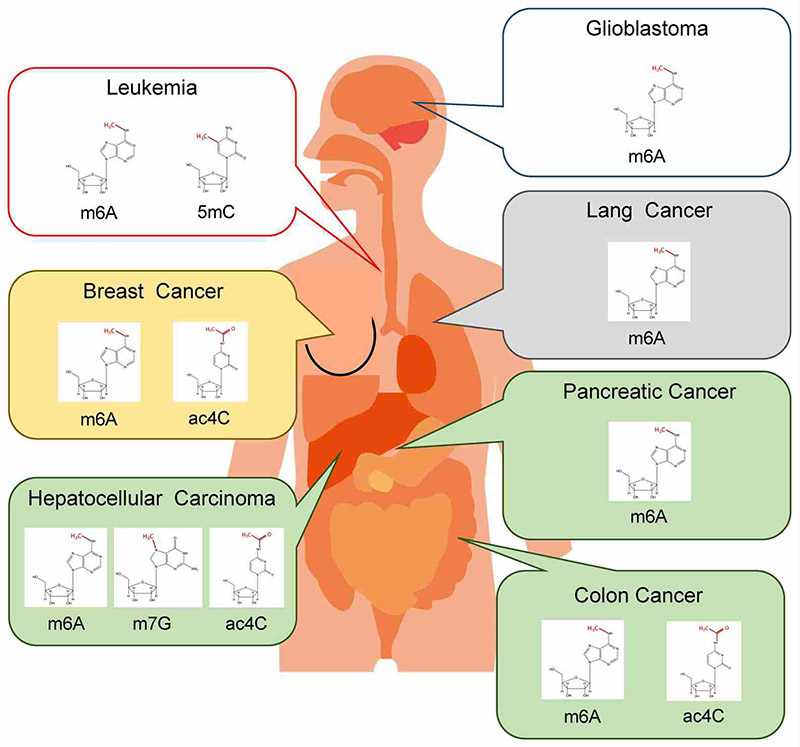 Fig.2 RNA modifications associated with cancer malignancy.
(Mayuka Ohkawa, Masamitsu Konno Appl. Sci. 2023)
m6A modification has been verified to be closely associated with the infiltration of various immune cells in plenty of human cancers. In melanoma and lung cancer, FTO-mediated m6A demethylation in tumor cells elevates the transcription factors c-Jun, JunB, and C/EBPβ, allowing the rewiring of glycolytic metabolism, thereby restricting the function of CD8+ T cells and inhibiting tumor growth.
RNA modifications are associated with the development of cognitive function. The m5C methyltransferase NSUN2, which has been associated with defects in memory and learning in Drosophila and NSUN2-deficient mouse models. In addition, deletion of the FTO gene in mice, which is one of the enzymes responsible for reversing or "erasing" m6A modifications, results in an impairment of dopamine receptor control of neuronal activity and behavioral responses.
RNA modification plays a two-sided role in viral infection. On one aspect, RNA modifications (such as m6A, m5C, ac4C, Ψ, and RNA editing) directly act on viral RNAs, thus influencing RNA structure, translation, and replication, etc. On the other aspect, RNA modifications can regulate host responses to viral infection by mediating viral RNA sensing and signaling, cytokine responses, as well as immune cell functions. For instance, A-to-I editing prevents autoimmunity while also favoring pathogens. After COVID-19 infection, A-to-I editing of endogenous Alu RNAs is decreased in normal human lung cells and in lung biopsies.
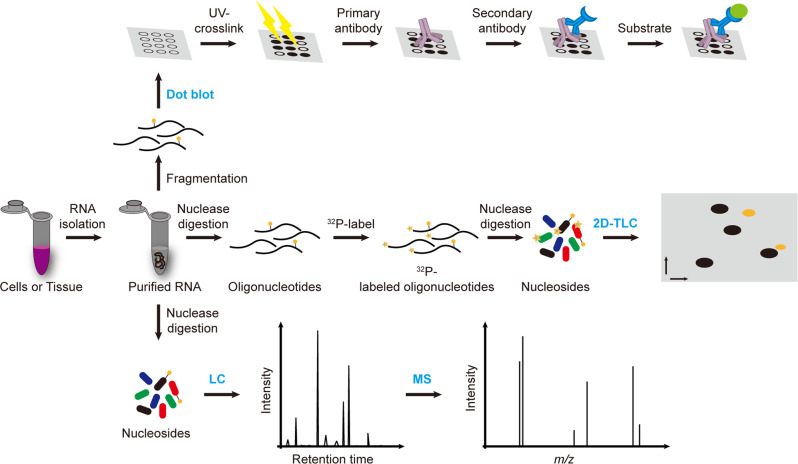 Fig. 3 Schemes of RNA modification quantification methods.
(Zhang Y.; et al. Exp Mol Med. 2022)
Several techniques have been developed to detect RNA modifications, including mass spectrometry, high-performance liquid chromatography (HPLC), antibody-based assays, and next-generation sequencing (NGS). Among them, antibody-based sequencing technologies has been widely used in transcriptome studies of several RNA modifications, including m6A, m1A, m5C and m7G, etc. RNA immunoprecipitation (RIP) was an antibody-based method developed for profiling RNA modification. However, this method can only locate the position of m6A at a resolution of 100–200 nucleotides. To address this problem, several modified techniques have been applied. For example, CLIP and miCLIP, which use UV radiation to cross-link RNA-binding proteins to RNA, can improve the resolution. CLIP can provide information about the actual protein binding site on the RNA, while miCLIP can be applied to the detection of smaller RNAs.
The antibody-based methods are relatively simple, fast, and cost-effective, but they have limited sensitivity and specificity. On the whole, both the RIP-seq and related cross-linking-based sequencing methods rely on highly specific antibodies to recognize and immunoprecipitate modified RNA. The key to producing antibodies that can effectively detect RNA modification lies in antigen design and antibody validation. Antibodies against single nucleosides can be generated by coupling them to an immunogenic carrier protein. Generally, A stable covalent coupling of ribonucleosides was achieved by oxidation of the ribose ring with sodium periodate followed by a reductive condensation of the resulting aldehyde groups to the NH2-group of the lysine side chain.
Creative Diagnostics offers a range of highly validated antibodies for RNA modifications detection. These antibodies have been thoroughly validated in many immunological applications. Please check out our highly sensitive and specific antibodies in the product list.
References
Loading ......
