
Inquiry Basket
 Loading ......
Naltrexone is a semi-synthetic opioid with a structure similar to other opioid agonists. Naltrexone is obtained by replacing the N-methyl group of oxymorphone with a methyl cyclopropyl group. It is a long-acting opioid receptor antagonist initially used to treat opioid dependence and alcohol use disorders. Since it was first synthesized in the last century, naltrexone has received widespread attention for its unique pharmacological effects and clinical applications. In recent years, studies have shown that naltrexone has shown potential in other areas, such as inflammatory bowel disease (IBD) and pain management.
 Figure 1. Structure of naltrexone
(Source: Sudakin D. 2016)
Naltrexone has a similar chemical molecular structure to opioids, but works in the exact opposite way. It is a competitive antagonist of opioid receptors that binds to opioid receptors while preventing opioid drugs and endogenous opioids from binding to the receptors. This competitive binding blocks the activation of opioid receptors, reduces the secretion of neurotransmitters such as dopamine, and decreases the euphoric and addictive effects of the drug, thereby reducing the impact on the central system and therefore not triggering biological effects similar to those of opioids. This property is key to the action of naltrexone, which is particularly important in withdrawal treatment and relapse prevention.
In addition, naltrexone has antagonistic effects on microglia and Toll-like receptor 4 (TLR4) in the central nervous system, which makes it potentially useful in modulating immune responses and inflammation. Naltrexone binding to TLR4 leads to a reduction in the expression of tumor necrosis factor-α, interleukin-6 and nitric oxide. Naltrexone modulates the activity of immune cells, reduces the inflammatory response and plays a role in the treatment of certain autoimmune diseases, such as rheumatoid arthritis and multiple sclerosis. It has different effects on different immune cells, for example it inhibits the activity of macrophages and T lymphocytes. Also, naltrexone may increase the number and activity of other immune cells, such as regulatory T cells. In autoimmune diseases, where an imbalance in the immune system is one of the key factors in the development of the disease, the action of naltrexone may help to restore the balance of the immune system, reduce attacks on one's own tissues and alleviate the symptoms of the disease.
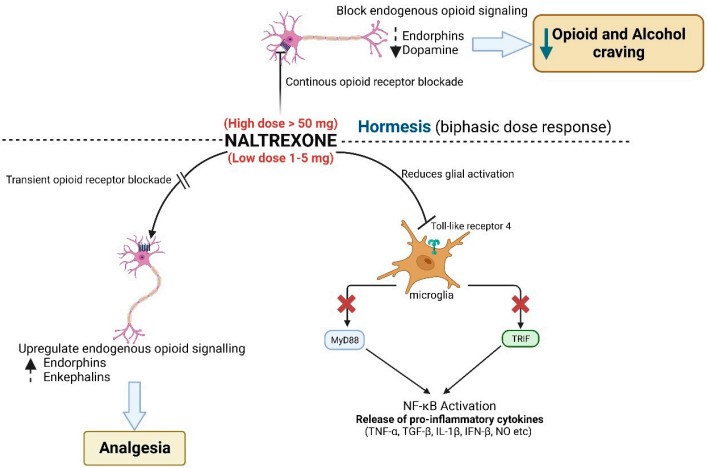 Figure 2. Naltrexone acts in a dose-dependent manner
(Source: Dara P, et al. 2023)
Low-dose naltrexone (LDN) usually refers to the use of naltrexone in doses between 1 and 4.5 mg per day, a dose that is much lower than the regular dose (usually 50 mg or more) used in the treatment of opioid dependence or alcohol use disorders. The researchers concluded that a standard dose of naltrexone that binds persistently to the receptor reduces immune cell function and chemotaxis, thereby suppressing the sensitivity of immune cells to other pro-inflammatory factors. Thus, LDN partially binds to opioid receptors and has a short binding time compared to standard doses of naltrexone. This low-dose use is thought to enhance its effects indirectly by activating the endogenous opioid system, including beta-endorphin and OGF. Many studies are exploring the use of low-dose naltrexone in a variety of diseases, including autoimmune disorders, cancer-related pain, and others. Preliminary results suggest that LDN may work by modulating the immune system.
Table 1. Different doses of naltrexone: mechanisms of action and clinical use
| Dose Range | Dose Specific Mechanism of Action | Clinical Use |
| Standard (50-100 mg) | Opioid receptor antagonism | Alcohol and opiate abuse |
| Low-dose (1-5 mg) | Toll-like receptor 4 antagonism, opioid growth factor antagonism | Fibromyalgia, multiple sclerosis, Crohn's disease, cancer, Hailey-Hailey disease, complex-regional pain syndrome |
| Very low-dose (0.001-1 mg) | Possibly same as low-dose | Add-on to methadone detoxification taper |
| Ultra low-dose (<0.001 mg) | Binding to high affinity filamin-A (FLNA) site and reducing µ-opioid receptor associated Gs-coupling | Potentiating opioid analgesia |
(Source: Toljan K, et al. 2018)
Although naltrexone has shown good efficacy in clinical applications, it also has some side effects. Common adverse reactions include withdrawal syndrome symptoms, gastrointestinal reactions (abdominal pain, nausea), musculoskeletal (arthralgia and myalgia), neurological (sleep difficulties, headache, and lethargy), and psychiatric (anxiety, feeling nervous) symptoms. Concomitant use of naltrexone and opioids may result in symptoms of withdrawal syndrome, which may reduce the efficacy of opioids. More serious adverse reactions, such as delirium, may occur at high doses. High-dose use of naltrexone may cause hepatocellular damage, leading to abnormal liver function. Therefore, patient response needs to be carefully monitored when using naltrexone, especially the patient's liver function and mental status. Different treatments are available for different side effects. For example, the LDN can be changed to morning dosing, which can minimize the adverse effects of excessive dreaming. Reducing the daily dose of naltrexone from 4.5mg to 3mg may improve symptoms such as headache.
Naltrexone is an opioid receptor antagonist that acts primarily by blocking the three opioid receptors, μ, κ and δ. This mechanism allows naltrexone to reduce opioid cravings, while also potentially affecting appetite and metabolism. Studies have shown that the opioid system plays an important role in regulating appetite and energy balance, so antagonizing this system may help with weight loss. Naltrexone may reduce appetite by affecting appetite-regulating mechanisms in the central nervous system. Some clinical trials have shown that patients using naltrexone show better self-control in dietary control, resulting in reduced calorie intake. It may also aid in weight loss by improving insulin sensitivity and promoting fat oxidation. This mechanism helps to increase the efficiency of the body's use of sugar, thereby reducing fat storage. In some studies, naltrexone has shown more significant weight loss results when combined with other medications. This combination therapy not only enhances weight loss, but also improves the overall metabolic status of the patient. A weight loss product under development consisting of naltrexone and bupropion has been analyzed in pharmacodynamic and clinical trials and found to have better weight loss and appetite control for chronic weight management. Although relatively few studies have been conducted on the use of naltrexone alone for weight loss, there have been a number of small clinical trials that have shown that low-dose naltrexone can help obese patients control their weight and improve metabolic markers associated with obesity.
 Figure 3. Mechanism of action of naltrexone/bupropion in the hypothalamic melanocortin system
(Source: Billes SK, et al. 2014)
Alcohol's ability to stimulate opioid receptors and cause the body to feel pleasure is one of the causes of alcohol addiction. Alcohol dependence is a serious psychological and physical disorder that has a wide range of negative effects on the health of the sufferer, the family and society. Naltrexone is approved for the treatment of alcohol use disorder. It helps patients maintain abstinence by reducing alcohol-induced activation of reward circuits and decreasing dopamine release in the nucleus accumbens, thereby reducing the desire to drink. On the other hand, studies have shown that naltrexone significantly reduces the frequency and volume of alcohol consumption. The rationale for this is that naltrexone reduces alcohol-induced activation of the nervous system, which in turn reduces the emotional experience of drinking and, to some extent, reduces the motivation to drink. Alcohol dependence is a complex disorder and each patient has unique circumstances and needs, so care should be taken to consider an individualised treatment plan when applying naltrexone. In addition, naltrexone is not suitable for every patient with alcohol dependence, so there are individual differences and the appropriateness of using naltrexone should be determined based on the patient's specific situation and needs.
Naltrexone is widely used in the treatment of opioid dependence and works on a different principle than methadone and buprenorphine. Methadone and buprenorphine reduce withdrawal symptoms primarily by mimicking the effects of opioids, while naltrexone reduces an addict's craving for opioids by blocking opioid receptors. In addition, it can be used as a maintenance medication to help people who have successfully quit opioid-addictive substances to remain abstinent and reduce cravings. Clinical studies have shown that patients treated with naltrexone exhibit lower relapse rates during withdrawal. Naltrexone has a favorable safety and compliance profile in clinical practice. One is that naltrexone has a higher adherence rate compared to methadone because it does not carry the risk of abuse associated with methadone. The second is that naltrexone has relatively few side effects, which helps to increase the motivation of addicts to receive treatment.
References
| Target | Cat. No. | Product Name | Expression System | Tag/Conjugate | Application | |
| Naltrexone | DAG1247 | Naltrexone [HRP] | N/A | HRP | N/A | Inquiry |
| DAGA-304B | Naltrexone [BSA] | N/A | BSA | LFIA | Inquiry | |
| DAGA-304K | Naltrexone [KLH] | N/A | KLH | Immunogen | Inquiry | |
| DWT101 | Naltrexone Standard solution | N/A | N/A | Inquiry |
| Target | Cat. No. | Product Name | Host | Isotype | Application | |
| Naltrexone | DPABY-921 | Anti-Naltrexone polyclonal antibody | Sheep | ELISA, Pr* | Inquiry | |
| DPABH-29464 | Anti-Naltrexone polyclonal antibody | Sheep | IgG | ELISA | Inquiry |
Loading ......
