

Inquiry Basket
 Loading ......
In vitrotranscription (IVT) lies at the heart of mRNA synthesis, harnessing linear DNA as a template to produce RNA with the help of T7 RNA polymerase. It's a multi-step dance: preparing the template, running the transcription reaction, adding caps or tails, purifying the product, and checking its quality. Unlike cellular methods, IVT churns out RNA-from micrograms to milligrams-right in the lab, no cells needed. It starts by cloning your target sequence into a plasmid, typically one with a T7 promoter backbone. Then, a restriction enzyme slices it open, linearizing the DNA for action. That prepped template feeds into the transcription reaction, where T7 polymerase takes over, stitching together RNA transcripts with enzymatic precision.
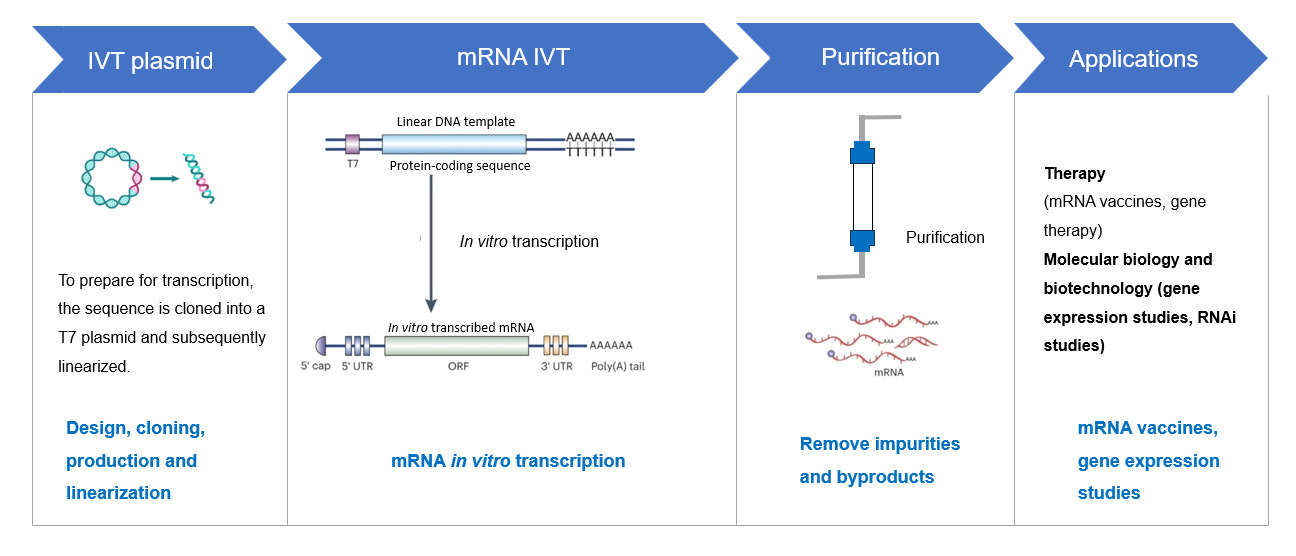 Figure 1. The process of in vitro transcription.
Detailed Breakdown of In Vitro Transcription Steps
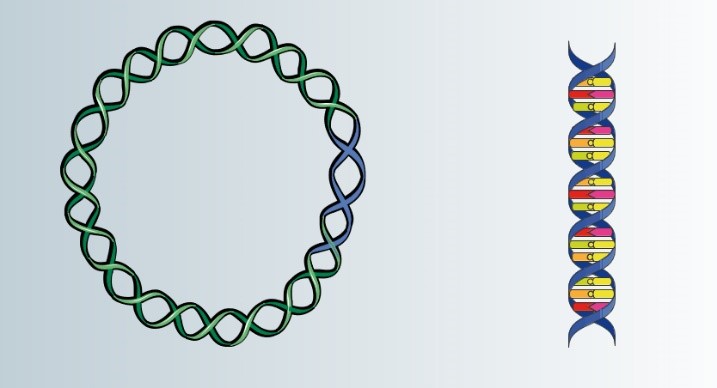
The first stage of IVT requires DNA template preparation with a promoter sequence that RNA polymerase can identify. The DNA template required for IVT can be obtained from linearized plasmids or PCR products and synthetic oligonucleotides. Linearization stops RNA polymerase from transcribing the full plasmid which prevents the generation of unwanted byproducts. Template purification is required to eliminate contaminants that might block the transcription reaction.

Once the DNA template is prepped, it's time to assemble the transcription reaction. You mix RNA polymerase with the template, add ribonucleotide triphosphates (NTPs), a well-balanced buffer, and any optional extras you might fancy. Getting the RNA synthesis just right hinges on nailing the concentration of each component-too much or too little, and the whole thing falters.
After mixing, the reaction gets cozy at around 37°C-prime territory for transcription. Here, the RNA polymerase latches onto the promoter and starts churning out RNA, 5' to 3'. How long this takes depends on how much RNA you're aiming for and the polymerase's quirks.
The transcription process can be stopped and RNA products preserved through different termination methods. The most frequent termination strategies involve either using EDTA to sequester essential magnesium ions or heating the mixture to deactivate the enzyme. Researchers select the termination method based on the protocol they follow during the experimental process.
The DNA template needs to be eliminated after transcription to prevent RNA product contamination. The removal of DNA template from the reaction occurs through the addition of DNase I which breaks down the DNA. The DNase is deactivated through heat treatment to prevent RNA degradation.
To ensure the separation of synthesized RNA from leftover reaction components like non-incorporated NTPs and enzymes purification steps must be taken. Typical RNA purification methods consist of phenol-chloroform extraction and spin column purification together with high-performance liquid chromatography (HPLC). The RNA may receive poly(A) tailing or capping based on its intended application.
In recent years scientists have primarily used in vitro transcription technology to manufacture mRNA molecules for use in biopharmaceutical and therapeutic purposes. The use of synthetic mRNA produced via in vitro transcription in cell or animal model systems may trigger an immune reaction against the synthetic molecule. Therapeutic applications should avoid this outcome because immune responses are either harmful or irrelevant as seen in protein replacement therapy. The immune response to synthetic mRNA can be reduced when modified nucleosides are integrated because they resemble natural mRNA. Contaminants from the in vitro transcription reaction serve as a primary trigger for immune responses. dsRNA stands out as a principal byproduct during IVT reactions because of the RNA-dependent RNA polymerase function of T7 RNAP. Research demonstrates that T7 RNAP-generated transcripts trigger cytoplasmic sensors including RIG-I and MDA5 which in turn activate the innate immune system against viral dsRNA. The latest scientific research has discovered two key byproducts generated by in vitro transcription reactions which lead to dsRNA molecule production. The initial byproduct emerges when the 3' extended transcript product binds to a complementary sequence within the primary transcript body either through cis interaction (folding back onto the same RNA molecule) or trans interaction (binding to another RNA molecule). The formation of the second dsRNA molecule occurs through the binding of the antisense RNA molecule to the RNA transcript.
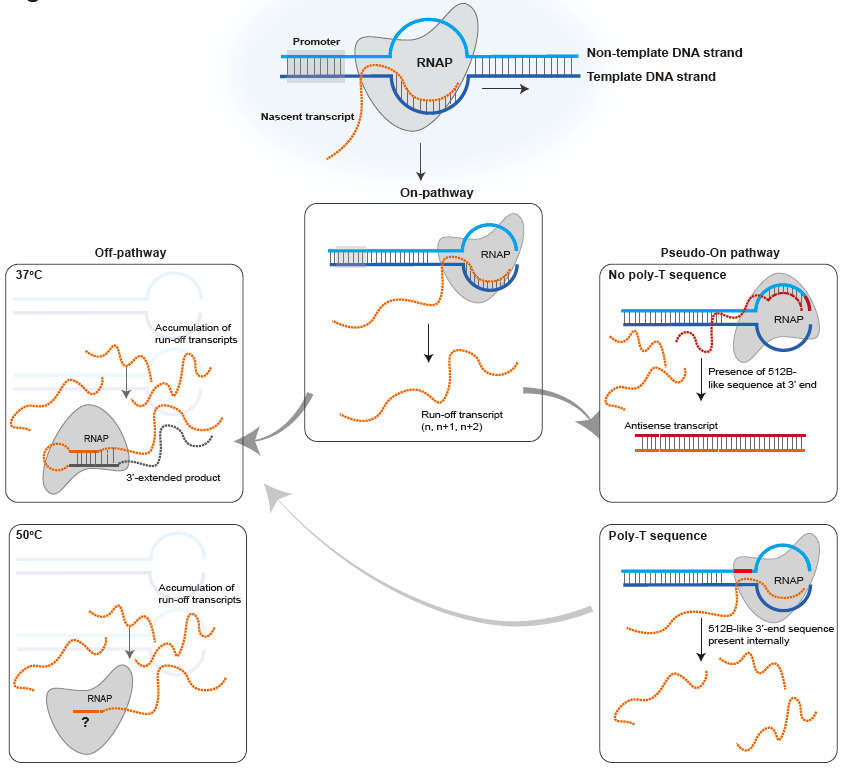 Figure 2. Schematic illustration of competing pathways resulting in formation of dsRNA byproducts during in vitro transcription.
The presence of double-stranded RNA influences the performance of messenger RNA products synthesized through in vitro transcription especially when used for therapeutic mRNA production or research purposes. This section provides an analysis of how dsRNA affects mRNA IVT products based on fundamental molecular biology insights and the latest knowledge about IVT procedures.
1. Immunogenicity and Innate Immune Activation
The ability of dsRNA to trigger the body's immune response creates the dominant effect observed in IVT mRNA products. The innate immune system recognizes dsRNA as an indication of viral infection instead of single-stranded mRNA. Inside cells, pattern recognition receptors including Toll-like receptor 3 (TLR3) along with RIG-I and MDA5 identify dsRNA. Cells respond to nucleic acid detection by initiating signaling pathways that produce pro-inflammatory cytokines such as type I interferons (IFN-α and IFN-β) and additional immune mediators. The immune response becomes problematic when mRNA therapies used for protein treatments or vaccines trigger excessive inflammation and decrease mRNA effectiveness by activating cellular stress responses that halt translation.
2. Reduction in Translational Efficiency
Double-stranded RNA contaminants present in IVT mRNA disrupt the translation process. Activation of immune sensors RIG-I or PKR by dsRNA results in the phosphorylation of eIF2α which functions as a primary translation initiation factor. The process of phosphorylation blocks overall protein synthesis which leads to reduced production of proteins from the targeted mRNA transcript. The therapeutic effectiveness of mRNA can be reduced when translational efficiency drops during the expression of specific proteins such as vaccine antigens or therapeutic enzymes.
3. mRNA Stability and Degradation
dsRNA demonstrates indirect effects on the stability of IVT mRNA products. Dicer and RNase L activation by dsRNA triggers immune responses that result in non-specific RNA degradation within the cell which affects both unwanted RNA and the intended mRNA. The base-pairing of dsRNA with mRNA either through self-templated extension or by binding antisense RNA byproducts forms translation-resistant areas which dsRNA-specific nucleases such as Dicer and RNase III can cleave. Fragmentation of the mRNA occurs through this process which leads to decreased functionality and structural integrity.
The immunological detection methods for finding double-stranded RNA in in vitro transcribed mRNA use antibodies to bind dsRNA which provides a dependable means to identify impurities that can trigger immune reactions in mRNA therapeutics. Researchers prefer these methods because they deliver precise results through straightforward procedures. Three primary techniques are employed: Detection of dsRNA in mRNA samples relies on three main methods: dot blot assay alongside Western blot and enzyme-linked immunosorbent assay (ELISA).
The dot blot assay stands as a simple semi-quantitative technique where scientists spot mRNA samples onto membranes before probing them with specific dsRNA antibodies like J2 or K1 and visualizing them with secondary antibodies paired with chemiluminescent or colorimetric substrates. The dot blot assay operates rapidly using basic equipment and synthetic dsRNA controls but faces challenges when analyzing dsRNA fragments smaller than 40 base pairs. The Western blot method improves upon this process by employing native gel electrophoresis to separate RNA before transferring it to a membrane for antibody probing. This procedure enables researchers to differentiate dsRNA from single-stranded RNA by size but requires more labor and has comparable sensitivity limitations. The ELISA offers a quantitative, high-throughput alternative, where dsRNA is captured in a plate, detected with antibodies, and measured via absorbance. It requires optimization and standards but excels in screening multiple samples.
Key antibodies include J2, the gold standard for detecting dsRNA >40 bp, K1, a similar alternative, and K2, which may target shorter dsRNA. These methods are sensitive to picogram-nanogram levels, with J2-based dot blots detecting ~10-100 pg. Advantages include specificity and accessibility, while limitations involve missing shorter dsRNA and setup complexity (e.g., Western blot). The dot blot is most common for routine checks, Western blot for size resolution, and ELISA for scalability. These techniques are critical in mRNA therapeutic production to ensure low dsRNA levels, mitigating immunogenicity risks.
Creative Diagnostics' dsRNA ELISA Kit sets new standards in mRNA vaccine quality control. This kit utilizes highly specific self-developed antibodies, exclusively recognizing dsRNA without cross-reactivity to other nucleic acids. With a sensitivity as low as 0.001 pg/μL, it precisely detects trace amounts of dsRNA. It offers diverse modified standards, suitable for quantifying various modified samples. The optimized ELISA system, validated through methodological rigor, ensures reliable measurement results. Employing a double-antibody sandwich method combined with a biotin-streptavidin system, it effectively detects dsRNA of 60 bp and longer, making it the ideal choice for your mRNA vaccine research and production.
To ensure mRNA in vitro transcription remains safe for therapeutic applications it is crucial to remove double-stranded RNA byproducts which trigger immune system responses. Optimal transcription performance needs lowered NTP and Mg²⁺ levels together with temperature control from 37 to 42°C and shorter reaction times to reduce incorrect RNA generation. The utilization of modified nucleotides including pseudouridine or N1-methylpseudouridine blocks dsRNA formation and immunogenic reactions. Template design improvements, such as fully linearized plasmids, removal of homopolymeric regions, and 3' blocking sequences, prevent unintended transcription. Engineered T7 RNA polymerase variants with reduced promiscuity and co-transcriptional capping with anti-reverse cap analogs further limit dsRNA. Post-transcriptional purification via HPLC, affinity chromatography (e.g., oligo-dT), or RNase III digestion removes residual dsRNA, while cellulose-based separation exploits dsRNA binding properties. Adding polyamines (e.g., spermine) or DMSO stabilizes single-stranded RNA during IVT. Combining modified nucleotides with HPLC is a standard approach in mRNA vaccine production for scalability and efficacy. Monitoring dsRNA reduction with J2 dot blots or qRT-PCR ensures quality. These strategies enhance mRNA stability, translation, and safety by minimizing immune triggers, making them essential for therapeutic success.
References
| Cat. No. | Product Name | Compatible Samples | |
| DEIA-BZ002 | Double-stranded RNA (dsRNA, modified) ELISA kit | synthetic mRNA solution | Inquiry |
| DEIA-NS2306 | Double-stranded RNA (dsRNA) ELISA kit | synthetic mRNA solution | Inquiry |
| DEIA-BZ002P | Double-stranded RNA (dsRNA) ELISA kit | synthetic mRNA solution | Inquiry |
| DEIA1681 | dsDNA Antibody ELISA Kit | synthetic mRNA solution | Inquiry |
Loading ......
