

Inquiry Basket
 Loading ......
Filter By Product Search for
CXADR
CXADR Full Name
Coxsackievirus and Adenovirus Receptor
CXADR Introduction
Coxsackievirus and Adenovirus Receptor (CXADR) is a highly conserved transmembrane cell adhesion and immunoglobulin superfamily protein, widely recognized as a primary cellular receptor for coxsackieviruses and group C adenoviruses in mammalian cells. Encoded by the CXADR gene located on human chromosome 21q21.1, this protein exhibits broad tissue distribution, with predominant expression in epithelial barriers, cardiac muscle, neural tissues, and endothelial layers. Beyond its classical function as a viral entry receptor, CXADR serves as a critical tight junction-associated adhesion molecule that regulates intercellular connection stability, tissue barrier integrity, and developmental morphogenesis. It participates in multiple fundamental biological processes, including cell polarity maintenance, intercellular signal communication, tissue remodeling, and stem cell homeostasis. Accumulating studies reveal that CXADR exerts dual regulatory roles in disease progression. Abnormal expression, membrane mislocalization, or functional deficiency of CXADR is closely linked to congenital cardiac defects, epithelial barrier injury, inflammatory tissue lesions, and tumor malignant progression, making CXADR a multifunctional barrier regulatory gene and a novel clinical prognostic biomarker for multiple human diseases.
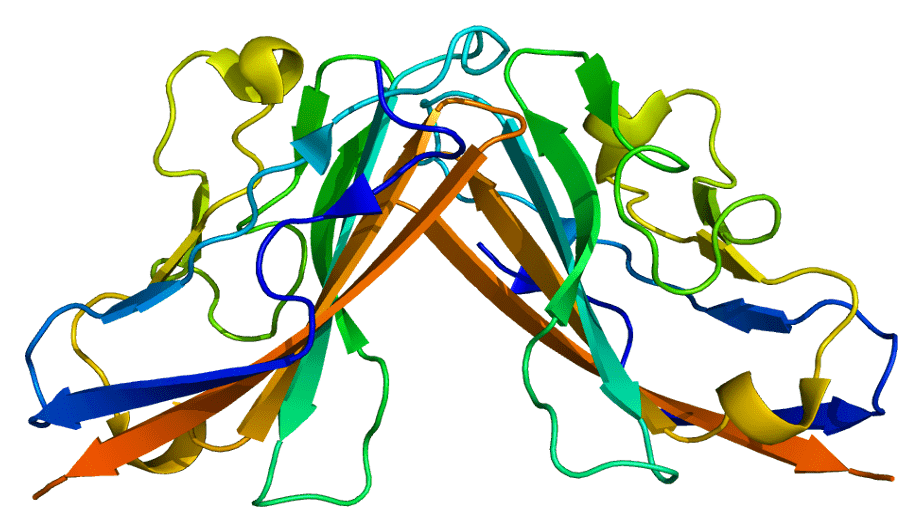 Figure 1: Genomic Structure of CXADR.
CXADR Roles in Tissue Barrier Function and Epithelial Homeostasis
CXADR serves as a core constituent of tight junction complexes, undertaking unique barrier maintenance functions that distinguish it from common cell adhesion molecules. It interacts with ZO-1, occludin, and claudin family proteins to stabilize tight junction structural assembly, sealing intercellular gaps and preventing paracellular diffusion of harmful substances, toxins, and inflammatory mediators. In respiratory and intestinal epithelial tissues, CXADR maintains mucosal barrier integrity, protects underlying tissues from microbial invasion and mechanical damage, and supports mucosal immune defense balance. In vascular endothelial tissues, CXADR regulates vascular permeability, preventing vascular leakage and inflammatory cell exudation. Persistent CXADR dysfunction leads to irreversible barrier damage, mucosal erosion, and tissue microenvironment disorder, which are key initiating factors of multiple chronic epithelial inflammatory diseases.
CXADR Regulatory Effects on Tumor Stemness and Metastasis
CXADR exerts unique regulatory functions in tumor malignant progression by modulating cancer stem cell properties and metastatic signaling, independent of its classical adhesion and viral receptor functions. In multiple solid tumors, abnormal CXADR downregulation disrupts intercellular adhesion polarity, releases tumor cells from primary tissue constraints, and promotes epithelial-mesenchymal transition to enhance tumor cell migration and invasive capacity. More importantly, residual low-level CXADR expression in tumor stem cell populations maintains stemness characteristics, supporting tumor self-renewal, chemotherapy resistance, and tumor recurrence. Dysregulated CXADR also modulates the tumor microenvironment by affecting immune cell infiltration and extracellular matrix remodeling, further facilitating tumor distant metastasis and malignant progression. Targeting CXADR expression and membrane localization has become a novel strategy for inhibiting tumor invasion and overcoming tumor drug resistance.
Alternate Names for CXADR
CXADR Ig-like cell adhesion molecule; CAR; HCAR; CAR4/6; CXADR; Coxsackievirus and Adenovirus Receptor
Loading ......
