
Inquiry Basket
 Loading ......
Severe fever with thrombocytopenia syndrome (SFTS) is caused by the Dabie Banda virus (DBV), formerly known as severe fever with thrombocytopenia syndrome bunyavirus (SFTSV), it is an acute natural infectious disease caused by infection. This disease is distributed in mountainous and hilly areas, mostly in summer and autumn, and is often related to tick bites. SFTS is mainly characterized by fever, decreased white blood cell and/or platelet counts, lymph node enlargement, fatigue, and gastrointestinal symptoms, and most have a good prognosis. Elderly individuals with underlying illnesses or delayed medical treatment may have more severe conditions, and critically ill individuals may die from multiple organ failure.
Severe fever with thrombocytopenia syndrome (SFTS) is an acute infectious disease caused by the Dabie Banda virus (formerly known as Bunyavirus). Its clinical manifestations are mainly characterized by fever with thrombocytopenia, and a small number of patients have severe and rapidly developing conditions, which can lead to death due to multiple organ failure. The disease is mainly transmitted through tick bites, and contact with the blood or secretions of patients in the acute phase can also lead to infection. Important hosts include pets such as cats and dogs, as well as domesticated animals such as sheep and cows, and close contact may increase the risk of infection. Some cases may have symptoms such as headache, muscle soreness, diarrhea, and superficial lymph node enlargement. For the accurate detection of SFTS virus, in-depth study of its pathogenic mechanism, and development of targeted interventions, key reagents such as Mouse Anti-SFTSV G2 Monoclonal antibody, Recombinant SFTS virus Glycoprotein G1, Recombinant SFTS virus Glycoprotein G2, and Recombinant SFTS Virus Nucleoprotein have become important tools in clinical and scientific research. Preventive measures include reducing tick exposure, taking protective measures before outdoor activities, and checking for tick bites before entering indoors.
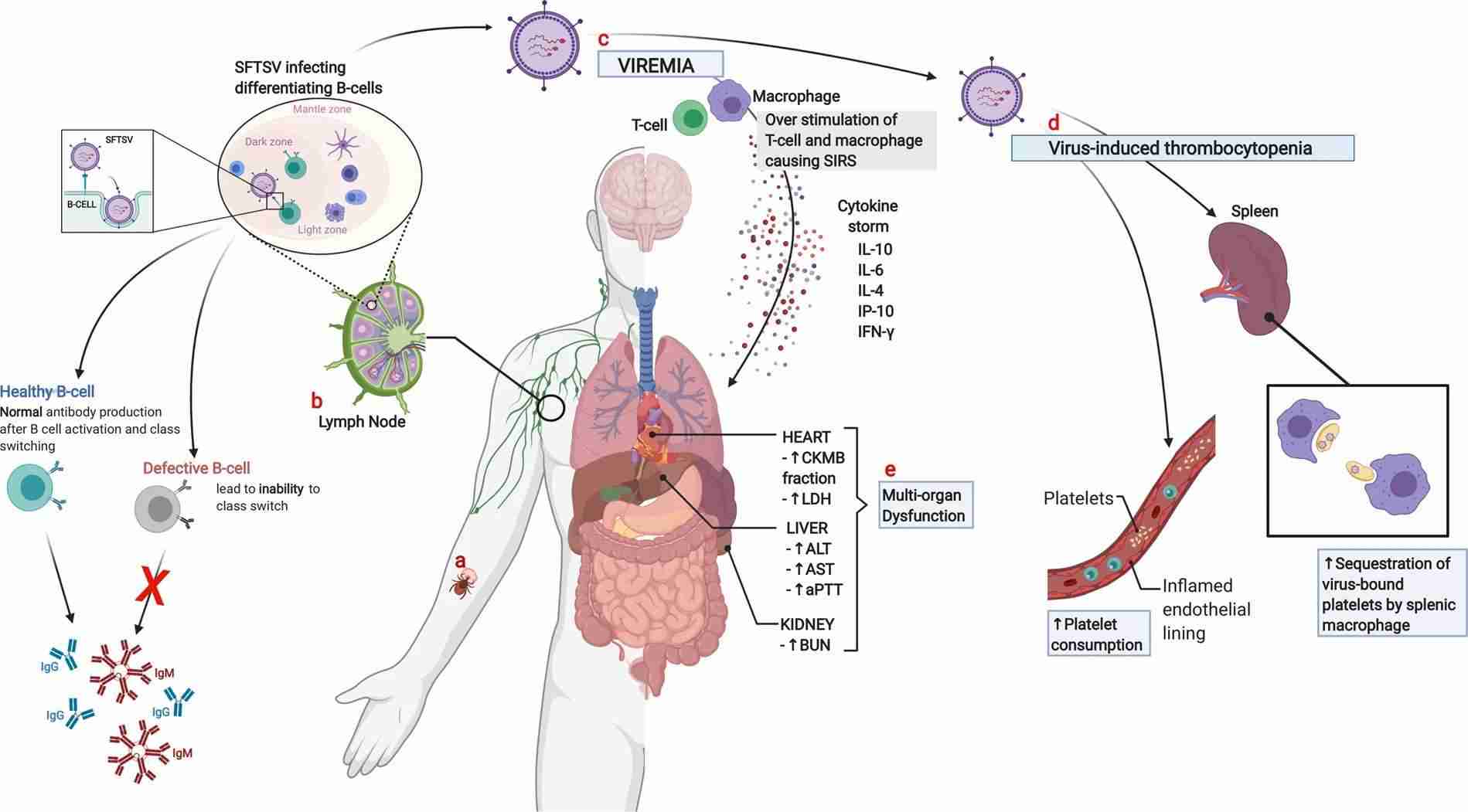 Figure 1. Probable mechanism of SFTSV pathogenesis.( Casel, Mark Anthony, 2021)
The newly discovered virus belongs to the Phlebovirus genus of the Bunyaviridae family. The virus particles are spherical in shape, with a diameter of 80-100 nm, a lipid envelope, and a spike like surface. The genome consists of three single stranded negative stranded RNA fragments (L, M, and S), with the L fragment being 6368 nucleotides in length and containing a single reading frame encoding RNA dependent RNA polymerase. The M fragment has a total length of 3378 nucleotides and contains a single reading frame, encoding a glycoprotein precursor of 1073 amino acids. The S fragment is a double sense RNA, and the genome encodes viral nucleoprotein and non structural protein in a bidirectional manner. The terminal sequence of the viral genome is highly conserved, similar to other members of the sandfly virus genus, and can form a pot shaped structure.
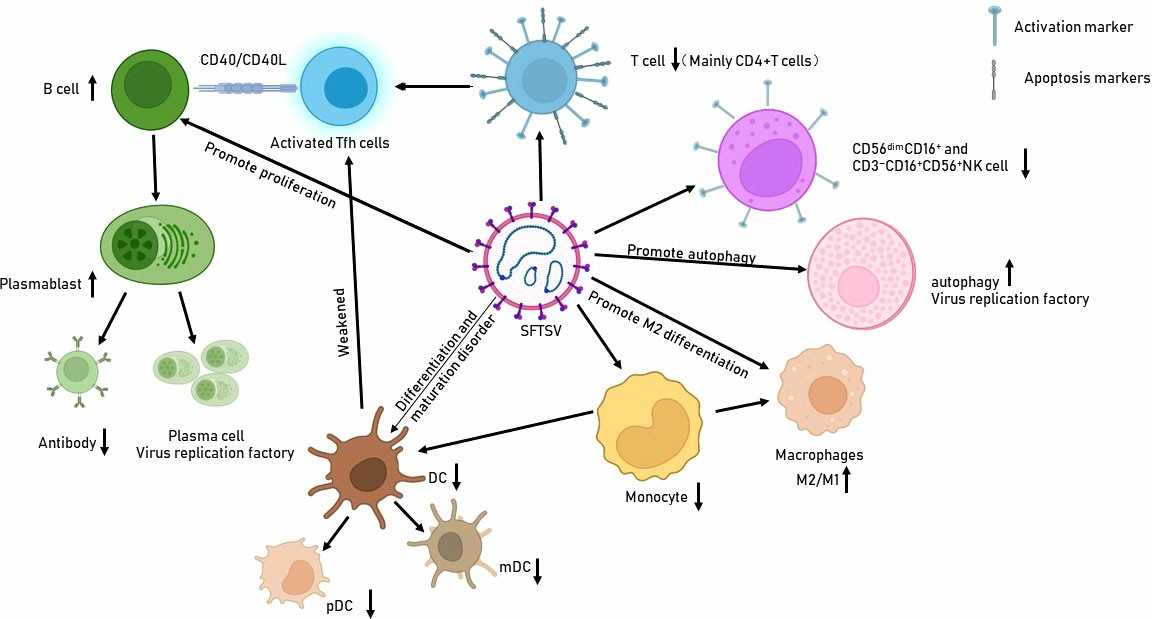 Figure 2. Immune escape mechanisms of severe fever with thrombocytopenia syndrome virus. (Wang, Tong, et al.2022)
The incubation period is not yet very clear, it may be 1-2 weeks. Acute onset, the main clinical manifestation is fever, with body temperature mostly above 38 ℃. In severe cases, persistent high fever can reach above 40 ℃, and in some cases, the fever can last for more than 10 days. Accompanied by fatigue, obvious poor appetite, nausea, vomiting, etc., some cases may have headaches, muscle aches, diarrhea, etc. Physical examination often shows superficial lymph node enlargement with tenderness in the neck and groin, tenderness in the upper abdomen, and relatively slow pulse. A small number of cases are critically ill, with consciousness disorders, skin bruising, gastrointestinal bleeding, pulmonary bleeding, etc. They may die from multiple organ failure such as shock, respiratory failure, and disseminated intravascular coagulation (DIC). The vast majority of patients have a good prognosis, but previous underlying diseases, elderly patients, the presence of psychiatric and neurological symptoms, obvious bleeding tendency, hyponatremia, and other factors suggest severe illness and poor prognosis.
| Laboratory Tests | Details |
| Blood routine examination | The peripheral blood white blood cell count decreases, mostly ranging from 1.0-3.0 × 10/L, and in severe cases, it can drop to below 1.0 × 10/L. The proportion of neutrophils and lymphocytes is mostly normal. Platelet count decreases, mostly at 30-60 × 10/L, and in severe cases, it can be lower than 30 × 10/L. |
| Pathogenic Examination | Serum nucleic acid testing for novel Bunyavirus. Isolation of novel Bunyavirus from serum. |
| Serological Examination | New Bunyavirus IgM antibody. New Bunyavirus IgG antibody. |
| Biochemical Examination | There may be varying degrees of elevation in LDH, CK, AST, ALT, etc., with AST and CK-MB being the main ones. Hyponatremia is often present, and in some cases, BUN is elevated. |
Diagnostic Criteria
Diagnosis is based on epidemiological history (working, living, or traveling in hilly, forested, mountainous areas during the epidemic season, or having been bitten by ticks within 2 weeks before the onset of the disease), clinical manifestations, and laboratory test results.
1. Suspected Case: Individuals with the aforementioned epidemiological history, clinical manifestations such as fever, and decreased peripheral blood platelets and white blood cells.
2. Confirmed Cases: Suspected cases with one of the following conditions: (1) Positive nucleic acid test for the novel Bunyavirus in the case specimen. (2) Individuals who have tested positive for the novel Bunyavirus IgG antibody in case specimens or whose titers during the recovery phase are more than four times higher than those during the acute phase. (3) A novel Bunyavirus was isolated from the case specimen.
Differential Diagnosis
It should be distinguished from diseases such as rickettsia, hemorrhagic fever with renal syndrome, dengue fever, sepsis, typhoid fever, thrombocytopenic purpura, etc.
There is no specific treatment for this disease, mainly symptomatic supportive treatment.
Patients should rest in bed, consume liquid or semi liquid food, and drink plenty of water. Closely monitor vital signs and urine output.
Patients who are unable to eat or have a severe condition should promptly supplement their calories to ensure water, electrolyte, and acid-base balance, especially for those with hyponatremia. Individuals with high fever should physically cool down and use medication to reduce fever if necessary. For those with obvious bleeding or significant platelet reduction, plasma and platelet transfusion can be administered. For patients with severe neutropenia, it is recommended to use granulocyte colony-stimulating factor.
The results of in vitro experiments suggest that ribavirin has an inhibitory effect on the virus and can be clinically tested. Patients with secondary bacterial or fungal infections should be treated with sensitive antibiotics. Pay attention to the treatment of underlying diseases at the same time. At present, there is no evidence to prove the therapeutic effect of glucocorticoids, and their use should be cautious.
Reference
| Target | Cat. No. | Product Name | Host | Isotype | Application | |
| SFTSV G1 | DMAB-CS24533 | Mouse Anti-SFTSV G1 Monoclonal antibody ,clone 4-5 | Mouse | IgG2a | ELISA, IF, WB | Inquiry |
| DMAB-CS24534 | Human Anti-SFTSV G1 Monoclonal antibody ,clone 4-5 | Human | IgG1 | ELISA, IF, WB | Inquiry | |
| DMAB-CS24535 | Rabbit Anti-SFTSV G1 Monoclonal antibody ,clone 4-5 | Rabbit | IgG | ELISA, IF, WB | Inquiry | |
| DPAB-DC4734 | Anti-SFTSV HB29 (N-terminal) polyclonal antibody | Rabbit | IgG | ELISA | Inquiry | |
| DPAB-DC4735 | Anti-SFTSV HB29 (internal region) polyclonal antibody | Rabbit | IgG | ELISA | Inquiry | |
| DPAB-DC4737 | Anti-SFTSV HB29 (C-terminal) polyclonal antibody | Rabbit | IgG | ELISA | Inquiry | |
| SFTSV G2 | DMAB-CLS25027 | Human Anti-SFTSV G2 Monoclonal antibody, clone 526 | Human | IgG | ELISA | Inquiry |
| DMAB-CLS25026 | Magic 6 4 Mouse Anti-SFTSV G2 Monoclonal antibody, clone 220 | Mouse | IgG | ELISA(Det) | Inquiry | |
| DMAB-CS23109 | Mouse Anti-SFTSV G2 Monoclonal antibody, clone 21E5 | Mouse | IgG1 | WB, ELISA, IP, IF | Inquiry | |
| SFTSV Nucleoprotein | CABT-NS1426 | Mouse Anti-SFTSV Nucleoprotein Monoclonal Antibody, clone MN2268 | Mouse | IgG2b | LFIA, ELISA | Inquiry |
| CABT-NS1427 | Mouse Anti-SFTSV Nucleoprotein Monoclonal Antibody, clone MN2266 | Mouse | IgG1 | LFIA, ELISA | Inquiry |
| Target | Cat. No. | Product Name | Host | |
| SFTS Virus Nucleoprotein | DAG-WT640 | Recombinant SFTS Virus Nucleoprotein | E. coli | Inquiry |
| DAG2022 | Recombinant SFTS virus Glycoprotein G1 (a.a. 20-452) [His] | HEK293 cells | Inquiry | |
| DAG2023 | Recombinant SFTS virus Glycoprotein G2 (a.a. 563-1035) [His] | HEK293 cells | Inquiry |
Loading ......
