
Inquiry Basket
 Loading ......
The ELISA kit for rheumatic diseases is a key laboratory tool for precise detection and quantification of autoimmune biomarkers associated with various rheumatic diseases. These test kits provide reliable quantitative results using enzyme-linked immunosorbent assay (ELISA) technology, which helps diagnose, monitor, and study autoimmune diseases. Accurate measurement of specific autoantibodies enables researchers and clinicians to understand disease mechanisms, track disease progression, and evaluate treatment outcomes for diseases such as rheumatoid arthritis, systemic lupus erythematosus, and antiphospholipid syndrome. These ELISA kits target mature autoantibodies, including anti cyclic citrullinated peptide Elisa Kits, anti cardiolipin ELISA kits, and other rheumatic disease markers, which have high diagnostic and prognostic value in clinical practice and research environments.
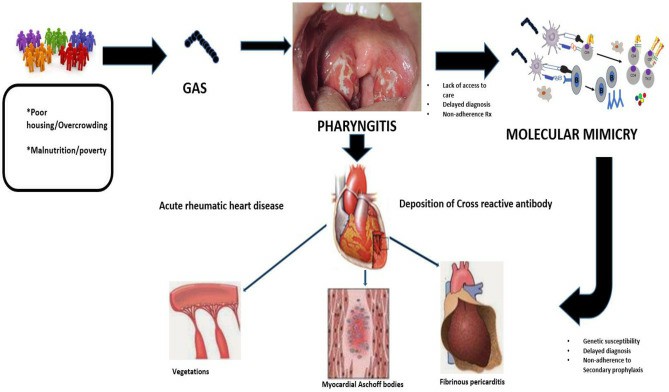 Figure 1. Cardiovascular imaging modalities in the diagnosis and management of rheumatic heart disease.( Aremu, Olukayode O., et al.2021)
Rheumatism includes a heterogeneous group of diseases characterized by chronic inflammation, pain, and structural damage to joints, muscles, and connective tissues. These diseases typically involve immune response dysregulation, where the body's defense mechanisms mistakenly attack healthy tissues, leading to progressive tissue damage and functional impairment. The pathogenesis of rheumatic diseases involves complex interactions between genetic susceptibility, environmental triggers, and immune abnormalities, which can lead to loss of self tolerance and persistent inflammatory processes. The clinical scope of rheumatic diseases ranges from local joint diseases to systemic autoimmune diseases that affect multiple organ systems. The economic impact of these diseases is enormous, including direct medical expenses, disability related costs, and reduced productivity, highlighting the importance of early diagnosis and effective management strategies.
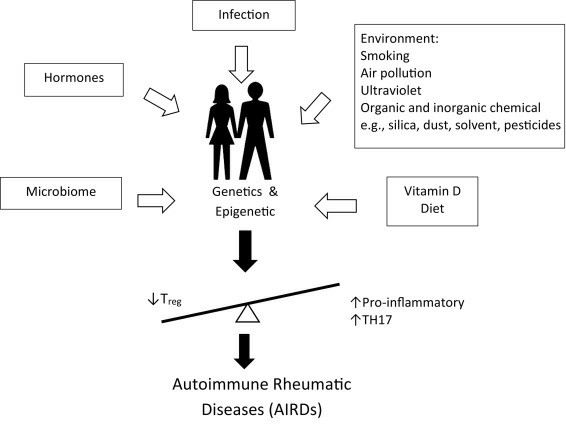 Figure 2. Rheumatic Disease.( Axford, John,2001)
Rheumatoid biomarkers are specific autoantibodies and inflammatory mediators that can serve as indicators of autoimmune activity and disease processes. The specificity, clinical utility, and association with specific disease manifestations of these biomarkers vary:
Anti-Cyclic Citrullinated Peptide (anti-CCP) Antibodies
These autoantibodies target citrullinated peptides and have specific specificity for rheumatoid arthritis (RA). Their detection often precedes clinical symptoms, making them of significant value for early diagnosis and prediction of disease progression.
Anti-Cardiolipin Antibodies (aCL)
These antibodies recognize phospholipid binding proteins and are key serological criteria for antiphospholipid syndrome (APS). They are typically detected as IgG, IgM, or IgA isotypes and are associated with thrombotic events.
Autoantibody targeting the Fc portion of IgG, and RF has always been the main serological marker of RA. Although less specific than anti CCP antibodies, it is still included in the classification criteria.
These antibodies target various components of the cell nucleus and are screening markers for systemic autoimmune rheumatic diseases, particularly systemic lupus erythematosus.
The ELISA kit for rheumatic diseases has a wide range of applications in clinical diagnosis, research, and treatment development
Clinical Diagnosis and Differential Diagnosis
These test kits help to accurately describe the serological characteristics of patients with musculoskeletal symptoms or systemic autoimmune features. Detecting specific autoantibodies, such as anti CCP and anti-cardiolipin antibodies, can distinguish various rheumatic diseases with overlapping clinical manifestations and guide appropriate management strategies and treatment interventions.
Disease Monitoring and Prognosis Assessment
Quantitative ELISA measurement provides objective data for tracking disease activity and progression over time. Continuous monitoring of autoantibody levels can reveal treatment response, predict onset, and identify patients at risk of severe disease manifestations or extra articular complications, thereby achieving personalized treatment methods.
Research and Pathogenic Studies
In basic and translational research, these tests can investigate disease mechanisms and autoimmune processes. Researchers can explore the correlation between epitope diffusion, antibody isotype conversion, and autoantibody spectrum with clinical manifestations, which can help improve the understanding of disease pathophysiology.
Case Study 1: Human Cyclic Citrullinated Peptides 2 ELISA Kit in Rheumatoid Arthritis Diagnosis
Background: Anti cyclic citrullinated peptide (anti CCP) antibodies are highly specific biomarkers for rheumatoid arthritis (RA), and second-generation CCP2 testing can improve diagnostic performance. Evaluated the practicality of the human cyclic citrullinated peptide 2 ELISA kit in early diagnosis of RA and differentiation from other rheumatic diseases.
Impact and significance: The human cyclic citrullinated peptide 2 ELISA kit provides a robust and reliable method for detecting anti CCP antibodies, with excellent diagnostic specificity for RA. Its application helps with early diagnosis, especially in serum negative patients, and identifies individuals at risk of more severe disease progression, enabling timely intervention for disease improvement therapy.

Case Study 2: Human Cardiolipin IgG ELISA Kit in Antiphospholipid Syndrome Evaluation
Background: Anticardiolipin antibodies represent the laboratory standard for antiphospholipid syndrome (APS) and have been shown to be associated with thrombotic events and obstetric complications. Evaluated the performance of the cardiolipin IgG ELISA kit in detecting and quantifying anti cardiolipin IgG antibodies in suspected APS patients.
Impact and significance: The cardiolipin IgG ELISA kit provides a standardized and quantitative method for detecting anti cardiolipin IgG antibodies, which helps to accurately diagnose APS. The correlation between antibody levels and clinical manifestations supports its use for risk stratification, while its powerful analytical performance ensures reliable results for clinical decision-making and research applications.


We collect and process clinical samples (serum/plasma) to eliminate hemolysis/hyperlipidemia and ensure compliance with pre analytical quality standards prior to testing.

We initialize the ELISA kit by preparing calibration samples constructed from standard curves and running low/high concentration quality control materials.

We add the processed sample to a pre coated microplate, incubate to form a sandwich complex, and perform sequential washing to remove non-specific binding.

We measured absorbance using a microplate reader, and calculated tumor marker concentrations using a validated regression model.

We cross validate the results based on the quality control scope, address potential interferences (such as hook effects), and generate clinically actionable reports.
The ELISA kit for rheumatic diseases is an indispensable tool for advancing autoimmune research and clinical diagnosis. These complex immune assays provide researchers and clinicians with the critical ability to detect and quantify specific autoantibodies with extremely high precision and reliability, fundamentally enhancing our understanding and management of complex autoimmune diseases. The detailed case studies of the human cyclic citrullinated peptide 2 ELISA kit and human phospholipid IgG ELISA kit demonstrate the powerful application of this technology, demonstrating excellent diagnostic performance for rheumatoid arthritis and antiphospholipid syndrome, respectively.
Anti CCP antibodies exhibit high specificity (95-98%) for rheumatoid arthritis and typically appear several years before clinical symptoms appear. Their detection helps with early diagnosis, identifies patients at risk of developing more severe diseases, and supports treatment decisions. The second-generation CCP2 detection has improved sensitivity while maintaining special specificity.
Approximately 15-20% of RA patients are serum negative for rheumatoid factor, but positive for anti CCP antibodies. In this case, due to the higher specificity of anti CCP results for RA, they should be given greater diagnostic weight. On the contrary, isolated rheumatoid factor positivity without anti CCP antibodies should prompt consideration of other diagnoses or non RA diseases with rheumatoid factor positivity.
Although anti cardiolipin antibodies represent the classification criteria for APS, they may also occur briefly in infections (HIV, hepatitis C, syphilis), certain medications, and elderly populations. The diagnostic significance of sustained high titer anti cardiolipin antibodies with an interval of at least 12 weeks between two or more occurrences for APS is greater than a single positive result.
Most test kits have been validated and can be used for human serum or plasma. Serum samples are usually preferred and collected using standard venipuncture techniques. Specific requirements regarding anticoagulants, sample storage, and stability should be consulted in separate kit instructions to ensure optimal performance.
Reference
Loading ......
