
Inquiry Basket
 Loading ......
A vascular tumor is a tumor of vascular origin; a tissue growth that can be either benign or malignant, formed from blood vessels or lymph vessels. Examples of vascular tumors include hemangiomas, lymphangiomas, hemangioendotheliomas, Kaposi's sarcomas, angiosarcomas, and hemangioblastomas.
Vascular tumors can occur anywhere on the body and appear as raised bumps. They may be red and look like a blood blister, or they may be the same color as the skin. Sometimes their appearance is bruised or changed in size due to bleeding.
The causes of vascular tumors haven't been firmly determined yet, and their formation may be caused by a variety of reasons, such as the imbalance between angiogenesis factors and inhibitors, as well as mutations in certain pathogenic genes or inactivation of tumor suppressor genes, which leads to abnormal proliferation of vascular endothelial cells. Factors that may increase the risk of vascular tumors include radiation therapy, lymphedema due to damage to lymphatic vessels, and exposure to several chemicals such as vinyl chloride and arsenic.
Improved understanding of the signaling pathways associated with vascular tumors has driven the development of molecularly targeted therapies. There are many signaling pathways involved in the pathogenesis of vascular tumors. Some major pathways related, including
In addition, the HIF-α-mediated pathway and PDGF/PDGFR-β signaling are also involved in the occurrence and progression of vascular tumors.
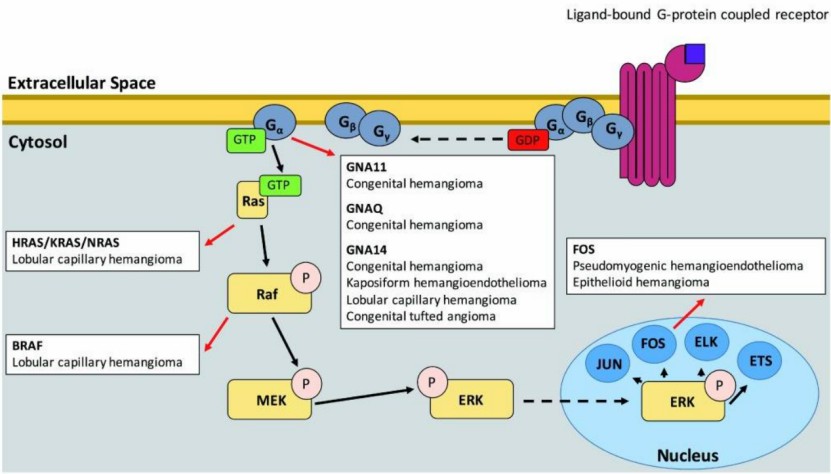 Fig. 1 Ras-MAPK pathway in leading to childhood vascular tumors
Physical examination and health history, MRI scan or CT scan, Doppler ultrasound, X-ray, tissue biopsy methods are often used in the diagnosis of vascular tumors.
In immunohistochemistry of tissue biopsies, the five most important markers are GLUT 1, merosin, Lewis Y antigen, CD34, and Fcy-RIIb. Other biomarkers include CD34, type 3 iodothyronine deiodinase, indoleamine 2,3 dioxygenase, and IGF2, etc. High levels of the angiogenic markers FGF, VEGF and MMP in serum or urine may indicate abnormal vascular proliferation.
Surgery, Photocoagulation (seal off blood vessels or destroy tissue), Cryotherapy, Embolization, Chemotherapy, Sclerotherapy, Radiation therapy, Targeted therapy, and Immunotherapy are the commonly used treatment for vascular tumors.
Targeted therapy usually causes less damage to normal cells than chemotherapy or radiation therapy. Different types of targeted therapy are being used or studied including:
Immunotherapy is a treatment that uses the patient’s immune system to fight disease. The following types of immunotherapies are being used in the treatment of vascular tumors:
Interferon: This treatment interferes with the division of tumor cells and can slow tumor growth. It may be used to treat juvenile nasopharyngeal angiofibroma, Kaposi sarcoma, and epithelioid hemangioendothelioma.
Immune checkpoint inhibitor therapy: there are two types of immune checkpoint inhibitor therapy:
 Fig. 2 CTLA-4 inhibitor therapy
Loading ......
