
Inquiry Basket
 Loading ......
Ovarian cancer is the uncontrolled proliferation of cells in the ovary and the formation of tissue that can invade and destroy healthy organs. There are two ovaries on either side of the uterus. The ovaries produce ova and the hormones (estrogen and progesterone). Ovarian cancer can be divided into three main types: epithelial ovarian cancer, Ovarian germ cell tumors and stromal cell tumors.
 Fig. 1 Ovarian Cancer
The exact cause of ovarian cancer is unknown, however, risk factors include 1. aging (ovarian cancer risk increases with age); 2. overweight or obesity; 3. inherited genetic changes (genes that increase ovarian cancer risk include BRCA1 and BRCA2, etc.); 4. family history of ovarian, breast, or colorectal cancer; 5. never pregnancy; 6. have received hormone therapy, etc.
When ovarian cancer first develops, it might not cause any noticeable symptoms. When ovarian cancer symptoms happen, it may include abdominal bloating or swelling, weight loss, discomfort in the pelvic area, fatigue, back pain, changes in bowel habits, a frequent need to urinate, etc.
The occurrence and development of ovarian cancer are regulated by multiple signaling pathways. A better understanding of the signaling pathways associated with ovarian cancer will advance the development of molecularly targeted therapies for ovarian cancer. The HGF/MET signaling pathway is abnormal in ovarian cancer, MET is overexpressed in 30% of ovarian cancer cases and cancer cell lines. The HGF/MET pathway plays an important role in ovarian cancer initiation and progression by regulating cell motility, invasiveness, extracellular matrix degradation, cell survival, and proliferation. Wnt/β-catenin signaling regulates cell proliferation and apoptosis, mediating cancer initiation and progression. In addition, Wnt/β-catenin signaling is also one of the major signaling pathways involved in epithelial-mesenchymal transition (EMT), and plays an active role in the carcinogenesis of all ovarian cancer subtypes. c-Met is involved in the activation of multiple carcinogenic pathways, such as the RAS pathway and PI3K pathway. Additionally, in low-grade ovarian cancer, BRAF mutations are frequently found, which leads to activation of the MAPK pathway.
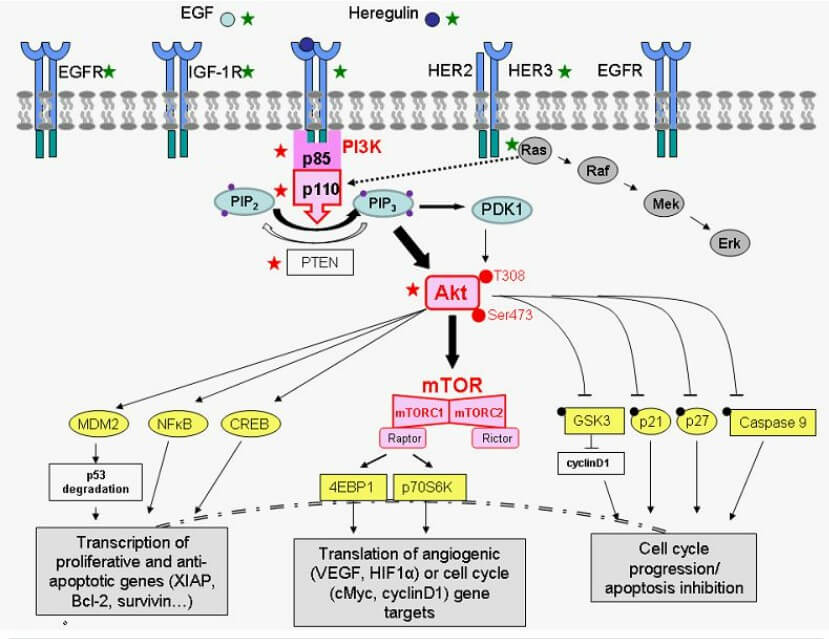 Fig. 2 The PI3K/Akt/mTOR signaling pathway in Ovarian cancer
Pelvic examination, ultrasonography, MRT, CT, and biomarker assessment are commonly used in the diagnosis of ovarian tumors. Among serum markers, CA-125 is the most widely used in clinical practice for the detection of Ovarian Cancer. In addition, mesothelin and human epididymal protein 4 (HE4) have high sensitivity and specificity in the early stage of ovarian cancer. Osteopontin and kallikrein are also potential ovarian cancer biomarkers. In immunohistochemistry, biomarkers are mainly used in the differential diagnosis of ovarian cancer, eg, estrogen (ER) and progesterone (PR) receptors, p53, PTEN, and WT1 contribute to the identification of ovarian cancer with uncertain histological features. In prognosis, lower levels of let-7f indicates poor prognosis of epithelial ovarian cancer. Moreover, HER2 is highly expressed in 25 and 30% of cases, and the HER2 expression in ovarian cancer has been identified as a prognostic parameter.
The treatment of ovarian cancer generally includes a combination of surgery and chemotherapy. Other treatment methods include hormone therapy, targeted therapy, etc. The types of targeted therapy drugs commonly used and being actively researched mainly include
VEGF inhibitors, such as bevacizumab, inhibit tumor angiogenesis, for the treatment recurrence of platinum-sensitive ovarian cancer.
CDK 4/6 inhibitors, such as Palbociclib, block the proliferation of ovarian cancer stem cells.
PARP inhibitors have good efficacy in ovarian cancer with BRCA1/2 mutations by blocking base excision repair, which leads to the accumulation of DNA single-strand breaks, resulting in toxicity to ovarian cancer cells.
Tyrosine kinase inhibitors, such as Bevacizumab, pazopanib, and sorafenib, that can inhibit multiple tyrosine kinase receptors such as VEGFR-2, VEGFR-3, PDGFR-β, v-RAF1, Flt-3, and c-Kit, etc.
Trastuzumab is another monoclonal antibody against HER2, which has been used in the treatment of HER2-positive breast cancer. It is also evaluated in Phase II clinical trial to treat ovarian cancer.
Other targeted drug types include mTOR inhibitor (temsirolimus) and PI3K inhibitor (Buparlisib), etc.
In addition, it has been reported that GRP78 is abundantly present on the surface of ovarian cancer cells, which makes it possible to be used in the delivery system for cytotoxic substances of ovarian cancer cells.
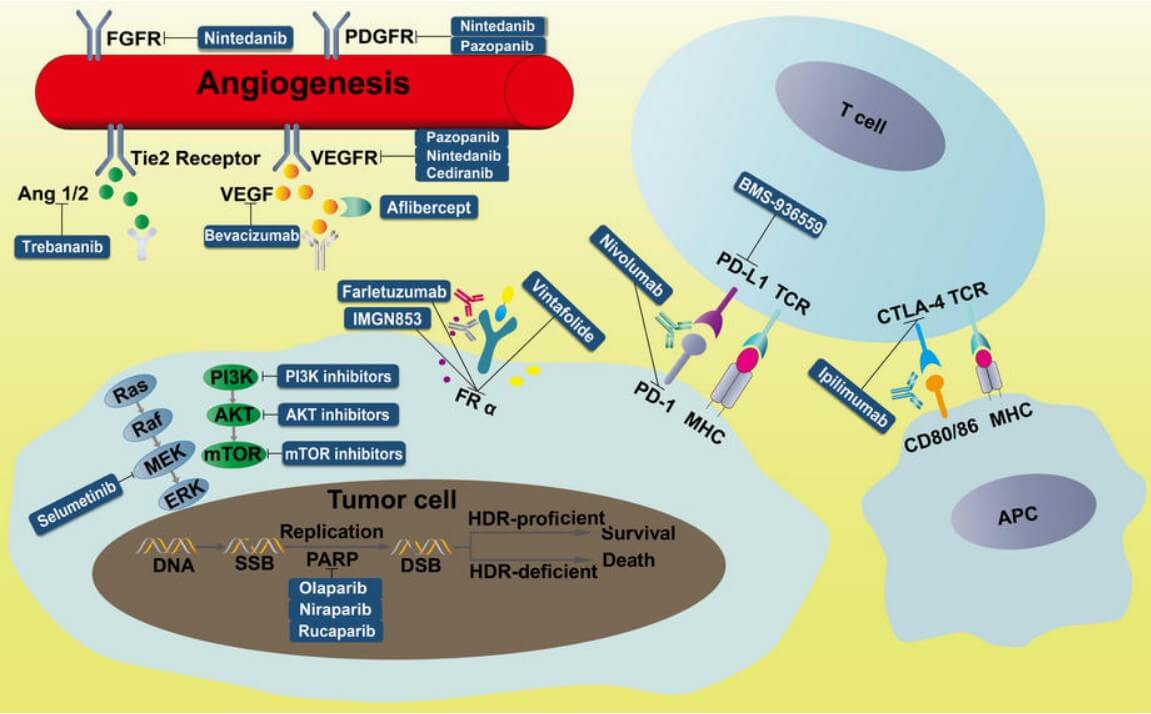 Fig. 3 Current main therapeutic targets of ovarian cancer
Loading ......
