
Inquiry Basket
 Loading ......
Our kidneys can serve many purposes, such as balancing fluids, removing waste, making hormones to keep stable blood pressure, and maintaining electrolyte levels. Kidney cancer, also named renal cancer, is a type of cancer that starts in kidney when cells in the body begin to grow out of control. Basically, there are four types of kidney cancer: renal cell carcinoma (RCC), renal sarcoma, Wilms tumor, and transitional cell cancer. RCC is the most common type found in adults, whereas young children are more likely to develop the Wilms' tumor. The exact cause of kidney cancer still remains unrevealed. However, certain risk factors that may increase the changes of getting the tumor have been suggested, including smoking, older age, high blood pressure, obesity, long-term dialysis treatment, and family history. At the same time, people with tuberous sclerosis disease and Von Hippel-Lindau disease (VHL) are more likely to develop the kidney cancer.
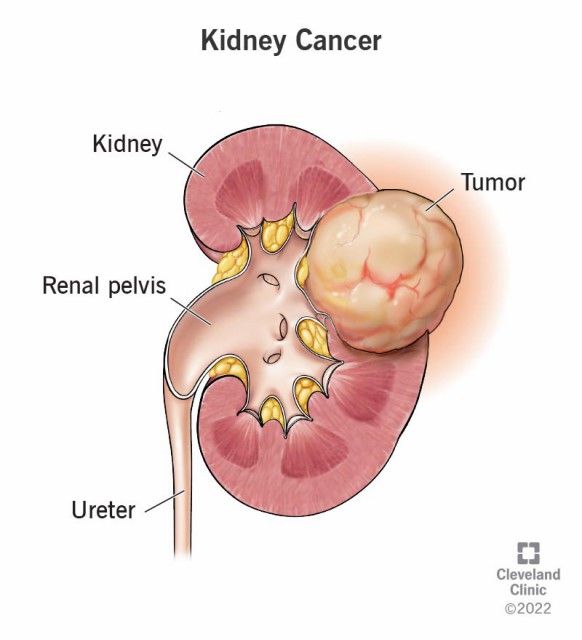 Fig.1. Kidney cancer begins in the kidney cells
Certain inherited DNA mutations can happen in some families and increase the risk of kidney cancer. For instance, VHL, FH, FLCN, as well as SDHB and SDHD genes are the major tumor suppressor genes which may be inherited in families and cause an increased risk of kidney tumors. In addition to inherited gene mutation, acquired mutations also happen. Unhealthy lifestyle such as smoking and obesity are the main risk factors leading to a kidney cancer.
Kidney cancer can be discovered at an early stage when the cancer is relatively small and confined to the kidney, although it does not have obvious signs at that time. As the tumor develops, symptoms like blood urine, back pain, weight loss, tiredness, and fever may appear. A series of tests are used to help the diagnosis and assess of the cancer, including urinalysis, blood tests, magnetic resonance imaging (MRI), ultrasound, CT scan and renal mass biopsy. CT scan is a special X-ray uses a computer to create a series of images or slices of the inside of the body. With this technique, accidental discovery of kidney cancers has been more often than before, contributing to an early diagnosis and treatment.
Kidney cancer can often be cured if it is found early. However, it is difficult to be cured if it is diagnosed after spreading to other organs. Depending on the stage of the tumor, as well as the age and overall health conditions of patients, different treatment options are suggested.
Surgical removal is the most common treatment for noncancerous kidney tumors as they are smaller and do not spread to other parts of the body.
Radiation therapy is recommended when there only remains one kidney or the patient is not eligible for surgery. It is often used for easing kidney cancer symptoms such as pain.
Targeted therapy works by blocking angiogenesis and/or certain proteins which help cancer cells grow and thrive. It is often used when surgery is not available or after the surgery to reduce the risk of cancer recurrence. Sunitinib, sorafenib, pazopanib, cabozantinib, Lenvatinib, axitinib, and tivozanib are drugs involved in cancer cell growth and the formation of new blood vessels in the tumor. In addition, drugs that block the mTOR protein which helps cells grow and divide like temsirolimus and everolimus are also used in targeted therapy of kidney cancer.
Immunotherapy is the use of medicines to boost the patient’s own immune system to destroy cancer cells. In most cases, it is given as a standalone treatment or along with surgery. Immune checkpoint inhibitors (ICIs) and cytokines are the main types of immunotherapies used to treat kidney cancer. ICI was first introduced as second-line treatment and has now been regarded as the first-line treatment in metastatic RCC. PD-1/PD-L1 inhibitors including pembrolizumab, nivolumab and avelumab can boost the immune response against kidney cancer cells by targeting PD-1/PD-L1 receptors, leading to tumor shrinking. lpilimumab as CTLA-4 inhibitors are also involved in the immunotherapy. In a small percentage of patients, cytokines including interleukin-2 (IL-2) and interferon-alfa are commonly used for the tumor treatment.
Chemotherapy uses anti-cancer drugs which enter the blood and reach nearly all areas of the body, making this treatment useful for metastasis. However, kidney cancer cells usually do not respond well to chemotherapy. Drugs including cisplatin, 5-fluorouracil and gemcitabine have been shown to help only a small number of patients. Although chemotherapy is not a standard treatment for kidney cancer, it can be helpful when immunotherapy and targeted therapy are not eligible.
In addition to the above treatment options, steps to improve the health conditions and reduce the risk of kidney cancer are also important. Smoking cessation and control of a heathy weight and the high blood pressure can always help to prevent the kidney cancer at its source.
Loading ......
