
Inquiry Basket
 Loading ......
Germ cell tumors are malignant (cancerous) or nonmalignant (benign, noncancerous) tumors that are comprised mostly of germ cells. Germ cells are the cells that develop in the embryo (fetus, or unborn baby) and become the cells that make up the reproductive system in males and females. Germ cell tumors primarily occur in young people between the ages of eleven and thirty. Most germ cell tumors occur in the testicles or the ovaries. Germ cell tumors also can occur in places other than the testicles and ovaries (extragonadal germ cell tumors), but it’s not as common.
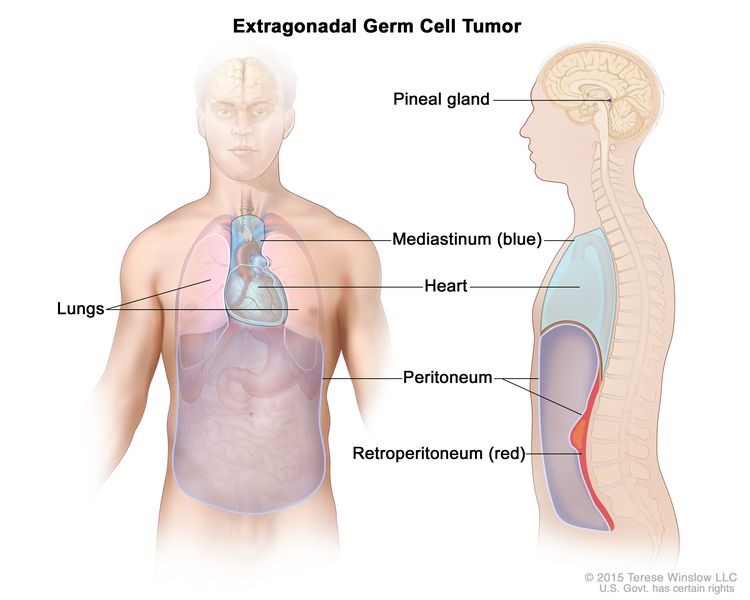 Fig. 1 Extragonadal Germ Cell Tumors
The most common symptoms of germ cell tumors are as follows,
The cause of germ cell tumors isn't completely understood. A number of inherited defects have also been associated with an increased risk of developing germ cell tumors including the central nervous system and genitourinary tract malformations and major malformations of the lower spine. Males with cryptorchidism (failure of the testes to descend into the scrotal sac) have an increased risk to develop testicular germ cell tumors.
Mutations in signaling pathways, such as signal transduction systems, are the basic triggering mechanisms in different types of cancers. In the studies of germ cell tumors, PI3K/PTEN/AKT signaling pathways are critical regulators of ovarian function including the formation of the germ cell precursors, termed primordial germ cells, and the follicular pool maintenance. High expression of the short arm (12p) gene of chromosome 12 is one of the most common changes in GCTs, which is closely related to the early stage of germ cell tumors. In addition, the expression of other stem cell genes related to embryonal carcinoma was also found to be increased on 12p, such as EBAF, TDGF1, SOX2, and downstream targets of WNT, NODAL, and FGF signaling pathways. Therefore, the high expression of the 12p gene can promote the proliferation of stem cells and maintain their functions. GDNF signaling pathway is closely related to the pathogenesis of testicular germ cell tumors. In this pathway, GDNF binds to its receptor GFRA to form a complex, which then binds to Ret to activate the downstream cascade, affecting the proliferation and differentiation of germ cells. Moreover, cAMP/PKA, ERK1/2, PI3K/Akt, and mTORC1/p70SK6 pathways have been demonstrated to be the main signal transduction pathways involved in Sertoli cell proliferation. c-Myc and hypoxia inducible factor are transcription factors that participate in the induction by FSH of various genes of relevance in cell cycle progression.
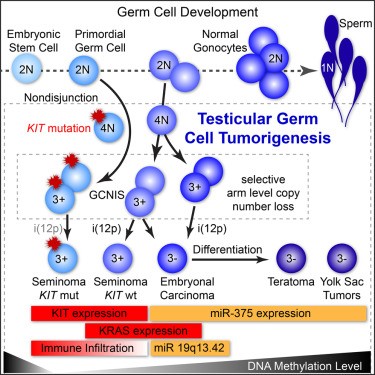 Fig. 2 Integrated Molecular Characterization of Testicular Germ Cell Tumors
Diagnostic procedures for germ cell tumors may include medical history and physical examination, biopsy, blood tests (blood chemistries, evaluation of liver and kidney functions, tumor cell markers, and genetic studies), and imaging tests such as CT scan, MRI, X-ray, and sonography, etc. In addition to markers in conventional carcinogenesis pathways, In the pathological diagnosis of germ cell carcinoma, testicular germ cell tumors normally show aneuploid karyotypes, and a gain of the short arm of chromosome 12 has been identified as a cytogenetic hallmark biomarker. Factors known to regulate pluripotency during embryogenesis are proven to be of diagnostic value for type II GCTs, including OCT3/4. CpH is a potential diagnostic marker for embryonal carcinoma. SALL4 (sal-like 4), a transcription factor, is a novel and highly specific marker of metastatic germ cell tumors and has important value in the detection of metastatic yolk sac tumorigenesis. Patients with high serum levels of LDH, AFP, or HCG are also likely to have a poor response to cisplatin-based chemotherapy.
The choice of treatment usually depends on the kind of tumor and if it has spread.
Options include surgery to remove the tumor, chemotherapy, radiation therapy, and targeted therapy, etc. The targeted drugs for germ cell tumors currently under research can be mainly divided into the following types,
lapatinib (dual inhibitor of ErbB1 and ErbB2), erlotinib (anti-EGFR)
Everolimus (mTOR inhibitor)
Imatinib (Tyrosine kinase inhibitor, optionally inhibits c-kit kinase activity)
Bevacizumab, Oxaliplatin+, Thalidomide, and Lenalidomide
Sunitinib, Pazopanib, and Sorafenib
Nivolumab and pembrolizumab;
Palbociclib
Olaparib
Tivantinib (tyrosin-kinase MET anti-receptor)
Brentuximab
Loading ......
