
Inquiry Basket
 Loading ......
Colorectal and gastric cancer (GC) are the most common cancers of the digestive tract. Colorectal cancer (CRC) is a disease in which cells in the colon or rectum grow out of control. Sometimes it is called colon cancer, for short. The colon is the large intestine. The rectum is the passageway that connects the colon to the anus. Gastric cancer is an abnormal growth of cells that begins in the stomach. The stomach is a muscular sac located in the upper middle of your abdomen, just below your ribs.
 Fig. 1 Gastrointestinal System
Signs and symptoms of GC may include difficulty swallowing, feeling bloated after eating, heartburn, Indigestion, nausea, stomach pain, unintentional weight loss, Vomiting, etc.
Signs and symptoms of CRC include a persistent change in your bowel habits, rectal bleeding or blood in your stool, persistent abdominal discomfort, weakness or fatigue, unexplained weight loss, etc.
The occurrence of different tumors shares similar mechanisms. Cancer begins when DNA mutations occur in healthy cells which leads to uncontrolled cell proliferation. abnormal cells accumulate over time and may spread (metastasize) to other parts of the body.
Factors that increase the risk of gastric cancer include obesity, a diet high in salty and smoked foods, family history of stomach cancer, Infection with Helicobacter Pylori, long-term gastritis, smoking, stomach polyps, etc. Factors that increase the risk of colorectal cancer include older age, African-American race, inflammatory intestinal conditions, family history of colon cancer, diabetes, obesity, smoking, alcohol, etc.
Mutations in signaling pathways, such as signal transduction systems, are the basic triggering mechanisms in different types of cancers. Dysregulation of several pathways plays an essential role during gastric carcinogenesis. Dysregulation of developmental pathways such as Wnt/β-catenin signaling, Hedgehog signaling, Hippo pathway, Notch signaling, nuclear factor-kB, and epidermal growth factor receptor have been found in GC. Epithelial-mesenchymal transition, as an important process during embryogenesis and tumorigenesis, is supposed to play a role in the initiation, invasion, metastasis, and progression of GC. There are three major molecular pathways to CRC including the chromosomal instability (CIN) pathway, the CpG island methylator phenotype (CIMP) pathway, and microsatellite instability (MSI) pathway. Chromosomal abnormalities are coupled with mutation of the adenomatous polyposis coli gene (APC), activation of the Wnt pathway, inactivating mutations in the TP53 gene, activating mutations in KRAS, activating mutations in PIK3CA, etc. What is more, cells in tumors with the microsatellite instability (MSI) phenotype do not properly detect and repair mismatched DNA, so they maintain and replicate their mutations and acquire additionals, including APC and BRAF mutation. Moreover, the major pathways which could be targeted for CRC therapy are, Sonic Hedgehog (SHH), Wnt/β-catenin, transforming growth factor-β (TGF-β)/SMAD, EGFR, and Notch pathways.
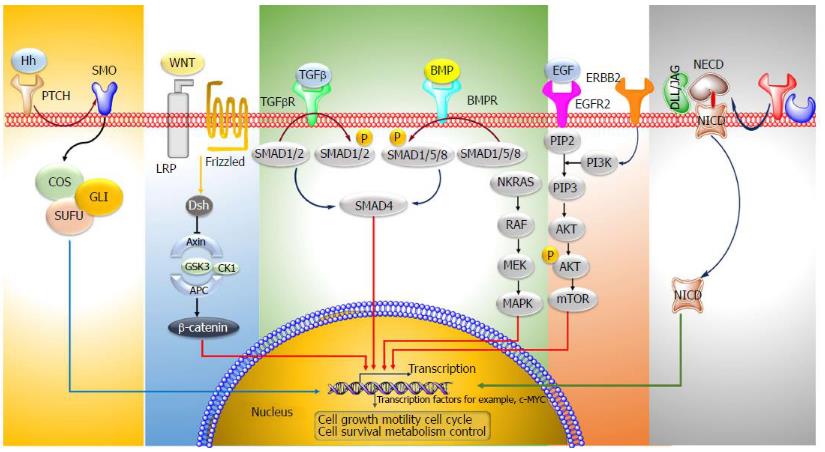 Fig. 2 Signaling Pathways Involved in Colorectal Cancer
Routine diagnostic methods for stomach and colorectal cancer include tissue biopsy, endoscopy, colonoscopy, barium enema, digital rectal examination, fecal occult blood test, imaging tests (X-ray, CT scan, Endoscopic ultrasound, MRI, and PET, etc.), and serum marker detection. In colorectal cancer screening, diagnosis and prognosis, CEA is the only marker with recognized efficacy in the patients receiving therapy for colorectal cancer. Protein markers evaluated for screening include M2-PK in stool and tissue inhibitor of matrix metalloproteinase 1 (TIMP1). IGFBP2 is involved in the proliferation, migration, and invasion of cancer cells, therefore, serum and plasma levels have been used as a diagnostic tool for early detection of colorectal cancer and evaluation of its progression. The enzyme telomerase maintains the length of the telomers that protect chromosomes from degrading. Thus, telomerase activity can be used as a diagnostic marker and serves as an independent prognostic factor associated with malignant tumors. Other protein biomarkers include the genes ESM1, CTHRC1, and AZGP1, which have proven effective and significant for diagnosis of colorectal cancer. ESM1 participates in angiogenesis, CTHRC1 can act as a negative regulator in deposition of collagen matrix, and AZGP1 stimulates lipid degradation in adipocytes. Protein biomarkers have also been used as gastric tumor markers in diagnosis, prognosis, and screening of post-treatment recurrence. The most commonly used tumor markers for diagnosis of gastric cancer are serum CA72-4, AFP, and CA125. In addition, TK1, CEA, TNF, IL-6, and IL-8 can also be used to significantly increase sensitivity and specificity in diagnosis.
For the treatment of colorectal and gastric cancer, surgery, radiation therapy, chemotherapy, targeted therapy, and immunotherapy are commonly used methods.
Targeted therapy for Colorectal and stomach cancer include,
HER2-targeted therapy includes Trastuzumab (Herceptin, Herzuma, Ogivri, Ontruzant). Using it in combination with chemotherapy is an option for people with later-stage HER2-positive stomach cancer.
VEGF is a protein that helps tumors form new blood vessels (angiogenesis) to get nutrients they need to grow. Drugs that stop VEGF from working can be used to treat some colon or rectal cancers. These include Bevacizumab, Ramucirumab, and Ziv-aflibercept.
EGFR is a protein that helps cancer cells grow. Drugs that target EGFR can be used to treat advanced colon or rectal cancers. These include Cetuximab and Panitumumab.
Such as Encorafenib (BRAF inhibitor), when given with cetuximab, can shrink or slow the growth of colorectal cancer in some people whose cancer has spread.
Regorafenib, a type of targeted therapy known as a kinase inhibitor.
Loading ......
