

Inquiry Basket
 Loading ......
The rapid shiga toxins ELISA detection kit is an enzyme-linked immunosorbent assay (ELISA) kit specifically designed for rapid detection of Shiga Toxins. Shiga toxin is a potent cytotoxin produced by certain Escherichia coli (such as enterohemorrhagic Escherichia coli) and Shigella, which can cause serious diseases such as hemorrhagic enteritis and hemolytic uremic syndrome in humans, posing a significant threat to human health. At the same time, in the field of food hygiene, the detection of Shiga toxin is also an important part of ensuring food safety. The rapid shiga toxins ELISA detection kit uses highly specific antigen antibody reaction and enzyme-linked immunosorbent assay technology to quickly and accurately detect Shiga toxin in samples (such as feces, blood in clinical specimens, various food ingredients and their products in food samples, etc.), providing reliable basis for early diagnosis of diseases and food safety monitoring.
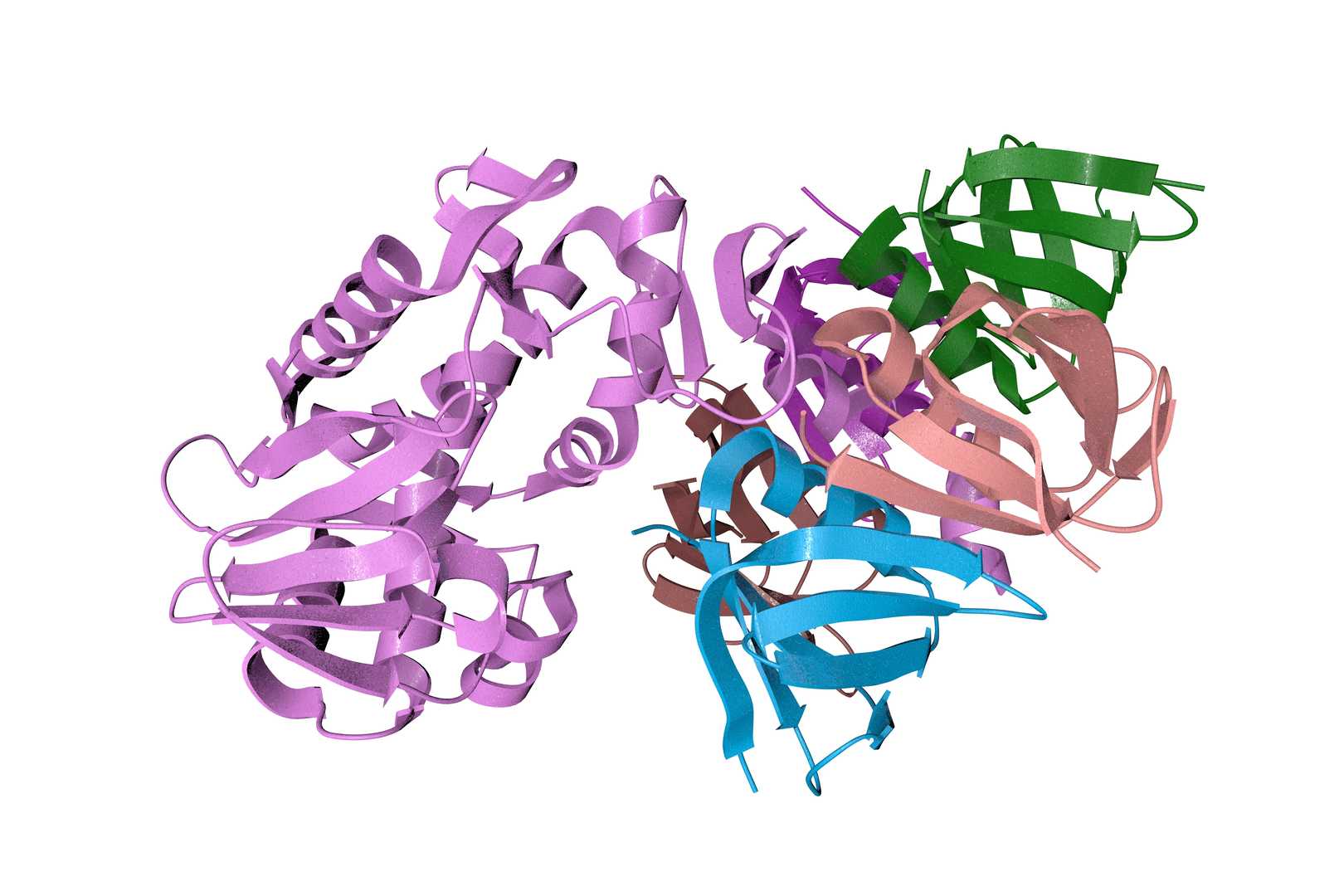 Figure 1. Structure of Shiga Toxins.
The kit uses a "sandwich" ELISA format. Patient samples are added to a microplate coated with antibodies specific for Shiga toxins. If the toxins are present in the sample, they will bind to the coated antibodies. A secondary enzyme-conjugated antibody is then added, which binds to the captured toxins, forming a "sandwich" of antibody-toxin-antibody. After a wash step to remove unbound material, a substrate is added. The enzyme on the secondary antibody reacts with the substrate, producing a colored signal. The intensity of this color is directly proportional to the concentration of the toxins in the sample. A microplate reader can then be used to measure this signal and determine whether the sample is positive or negative.
Sample Compatibility
Sensitivity Range
Main Uses
Application Fields
Product Specifications and Storage Conditions
Key Features of Shiga Toxins ELISA Detection Kit
Why Choose Shiga Toxins ELISA Detection Kit

Both intra-assay and inter-assay precision studies demonstrate excellent reproducibility:
| Parameter | Details |
| Product name | Shiga toxins ELISA Kit |
| Sample | Fecal |
| Intended Use | The Shiga toxins ELISA Kit is an enzyme immunoassay for the simultaneous qualitative detection of Shiga toxin 1 (Stx1) and Shiga toxin 2 (Stx2) in a single test. It is intended for use with human fecal samples from patients with gastrointestinal symptoms to aid in the diagnosis of disease caused by Shiga Toxin producing Escherichia coli (STEC). It may be used directly with human fecal specimens, or broth or plate cultures derived from fecal specimens. |
| Performance Characteristics | The performance of the SHIGA TOXIN test was compared to the Vero Cell Cytotoxin Assay (with neutralization), considered the clinical reference standard (gold standard), and included 899 fresh and 14 frozen specimens. Age information was available for 902 patients. Of the 902 patients, 8.8% were ≤ 18 years. The following table shows a summary of the clinical performance of the SHIGA TOXIN test. The results show that the test exhibited a sensitivity of 100% a speciffcity of 99.9% and an overall correlation of 99.9% with the cytotoxin assay. |
| Sensitivity | The cutoff for the test for direct fecal specimens was established at concentrations of 0.28 ng/mL Stx1 and 0.23 ng/mL Stx2, and for broth cultures at concentrations of 0.18 ng/mL Stx1 and 0.30 ng/mL Stx2. |
Results are determined by comparing the absorbance values of specimens to the cut-off value calculated for each assay run. The cut-off is typically established as the mean absorbance of the negative control plus three standard deviations, or as specified in the kit insert.
Quantitative results can be obtained by constructing a standard curve using the provided standards and interpolating specimen values from this curve. The dynamic range typically covers the clinically relevant concentrations from the detection limit up to several ng/mL.
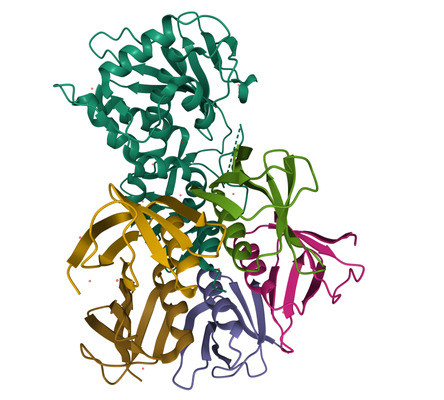

Fast Results
ELISA kits offer a much faster turnaround time compared to traditional methods, which can take days. A rapid ELISA can provide results in under two hours, or even as quickly as 30 minutes for some formats.

Direct Sample Testing
Many rapid ELISA kits can be used directly on stool samples, eliminating the need for a separate, time-consuming bacterial culture step. This "culture-independent" method is a major advantage.

Multiple Toxin Subtypes
Modern ELISA kits are often designed to detect a wide range of Stx1 and Stx2 subtypes, which is important because different subtypes have varying degrees of virulence and are associated with different clinical outcomes.
Shiga toxins are potent toxins produced by certain bacteria, most notably Shiga toxin-producing E. coli (STEC). These toxins are the primary cause of severe gastrointestinal illness and can lead to serious complications like hemolytic uremic syndrome (HUS), which can result in kidney failure. Accurate and rapid detection of these toxins is critical for timely diagnosis, effective patient management, and preventing the spread of outbreaks.The rapid shiga toxins ELISA detection kit is a crucial diagnostic tool for laboratories, hospitals, and public health agencies that need to quickly and accurately identify Shiga toxins. Its combination of speed, reliability, and ease of use makes it an indispensable asset in the fight against STEC-related diseases.
While PCR detects bacterial DNA, this ELISA detects actual toxin presence, providing evidence of active toxin production. ELISA offers faster results (30 minutes vs. several hours for PCR) and does not require expensive instrumentation, making it more accessible for many laboratories.
Yes, the assay is designed for differential detection of both toxin types, providing information about which specific toxins are present in the specimen.
When stored unopened at 2-8°C, the kit remains stable until the expiration date printed on the outer box, typically 12-18 months from the manufacturing date.
Specimens should be collected in Cary-Blair or C&S transport medium and can be maintained at room temperature for up to 4 days, or frozen at -20°C for up to 14 days for delayed testing.
Loading ......
