
Inquiry Basket
 Loading ......
Pneumococcal disease, caused by the bacteria Streptococcus pneumoniae or pneumococcus, encompasses a range of infections, from ear and sinus infections to more severe conditions like pneumonia and bloodstream infections. Currently, the best way to prevent pneumococcal disease is vaccination.
Pneumococcal disease is a significant public health concern worldwide. The bacteria responsible for this disease, Streptococcus pneumoniae, are commonly found in the respiratory tract of healthy individuals. However, under certain circumstances, they can invade other parts of the body and cause infections. Scientists have identified approximately 100 strains of Streptococcus pneumoniae. These strains are responsible for causing two main types of pneumococcal disease. The first type is noninvasive, which is more common, less serious, and does not spread to infect major organs or the bloodstream. The second type is invasive and is more severe. It can occur in the bloodstream, in areas of the body where bacteria are not normally found, such as the bones or brain, or in major organs like the lungs.
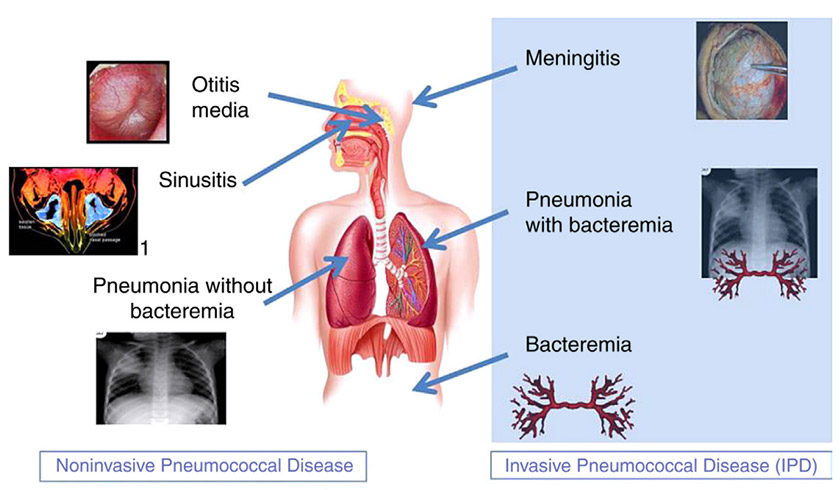 Fig. 1 Invasive and noninvasive pneumococcal disease syndromes. (O'Brien K L, et al., 2016)
Pneumococcal infections can manifest in different forms, depending on the area of the body affected. Common types of infection include:
There are certain factors that increase the risk of pneumococcal disease either directly or indirectly through another mediator. These include:
Vaccines are the best way to prevent pneumococcal disease. There are two types of vaccines available to protect against pneumococcal bacteria:
These vaccines offer protection against many strains of pneumococcal bacteria, but it's important to note that they do not cover all types. Additionally, while the vaccines provide good protection, they are not 100% effective. This means that even after vaccination, there is still a possibility of developing pneumococcal disease.
Effective treatment and management of pneumococcal disease depend on the severity of the infection and the affected area. Common approaches include:
References
Loading ......
